UPSELL - KNIFE

50 products

    50 products

    Frequently Asked Questions:

    Frequently Asked Questions for 120V Glass Kilns
    Can a 120V glass fusing kiln plug into a regular outlet?

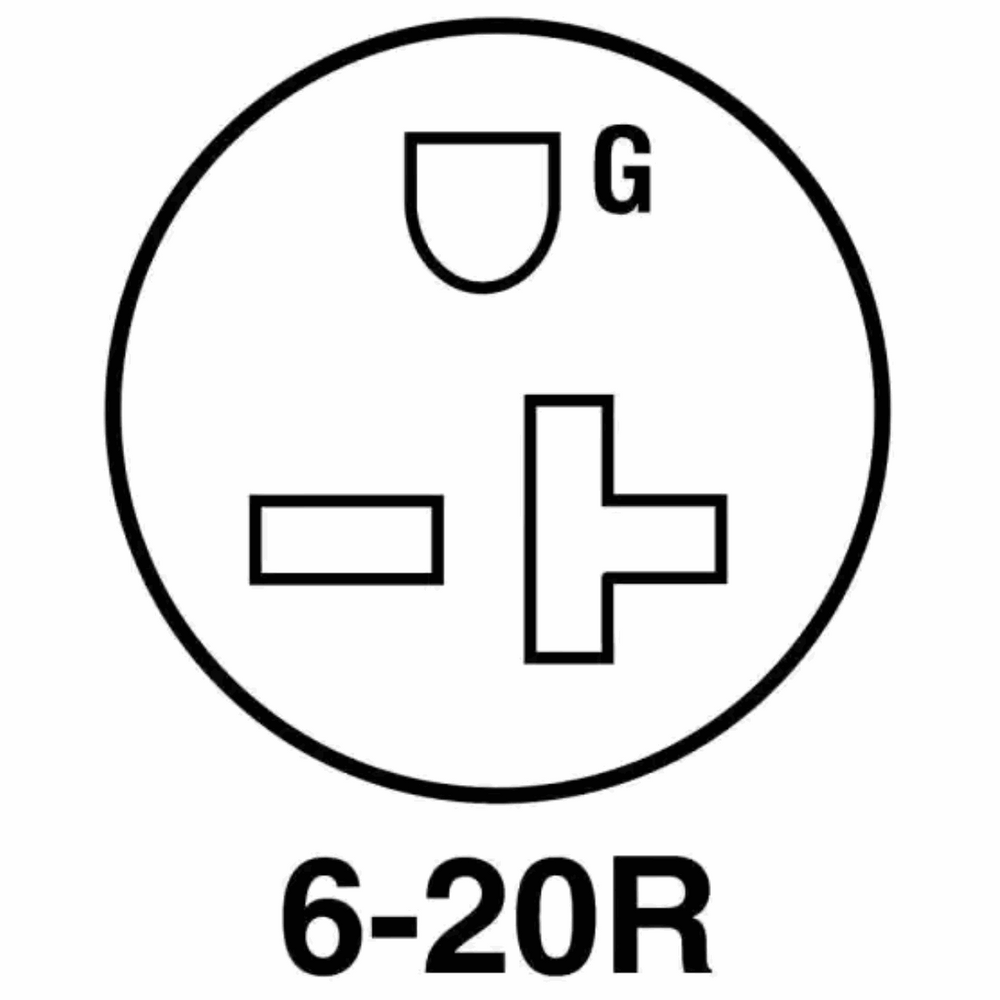
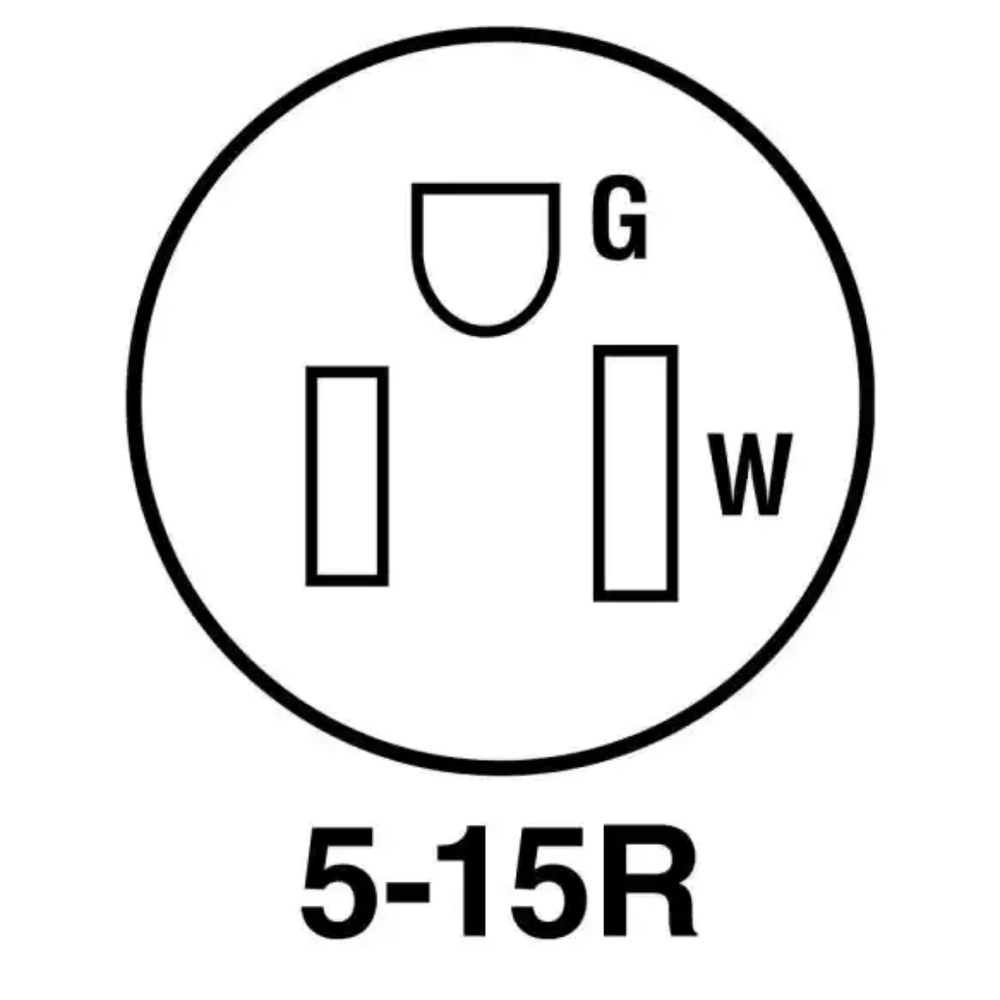
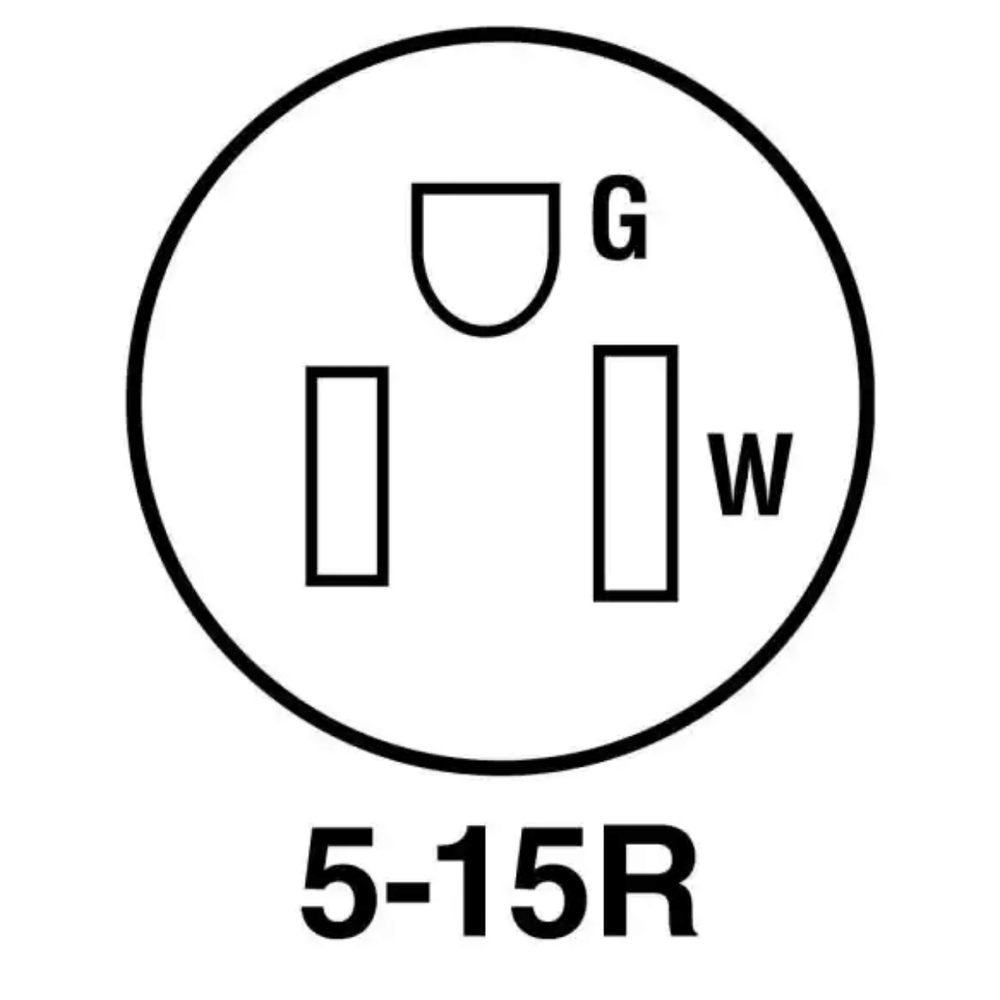
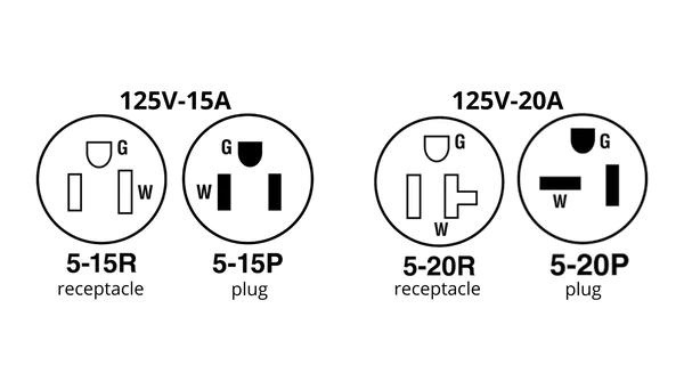
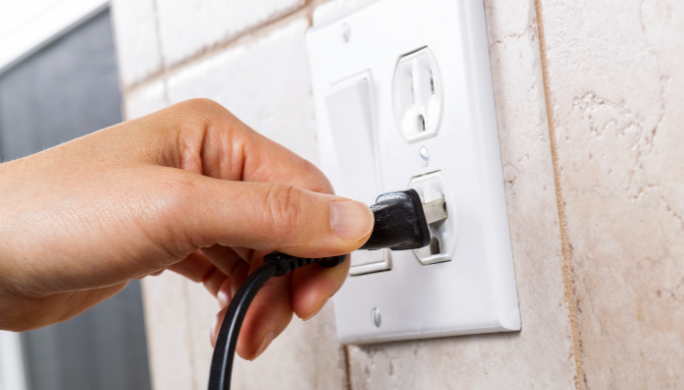
    Yes. A 120V glass fusing kiln runs on a standard household outlet, which makes it a convenient option for home studios and tabletop fusing. Just confirm the model's amp draw matches your circuit, since some still need a dedicated 15 or 20 amp outlet.

    What size glass can you fuse in a 120V glass kiln?

    120V glass kilns are typically small to mid-size, ideal for jewelry, pendants, small dishes, coasters, and test pieces. The chamber and shelf dimensions vary by model, so check the interior size against your largest project. For big platters, a larger 240V kiln is better.

    Is a 120V glass kiln good for fusing at home?

    Yes. A 120V glass kiln is one of the most popular choices for home fusing because it plugs into a normal outlet, heats a compact chamber efficiently, and fits on a sturdy tabletop. It handles fusing, slumping, and small casting for hobbyists and beginners.

    Can you use a 120V kiln for glass blowing?

    A 120V kiln is not a glassblowing furnace, but it works well as a small annealing or fusing kiln alongside torch and lampwork. Glassblowing itself needs a high-temperature furnace and glory hole. Use a 120V glass kiln for annealing beads and fusing flat glass.

    How much does a 120V glass fusing kiln cost?

    120V glass fusing kilns are among the more affordable kilns because they are compact and run on standard power, though pricing varies by brand, chamber size, and controller. Check the collection for current pricing on each model, since features like digital controllers affect the price.

    Frequently Asked Questions for 120V Kilns
    Can a 120V kiln plug into a standard household outlet?

    Yes. A 120V kiln runs on a standard household outlet, which is the main reason people choose one. Confirm the kiln's amp draw against your circuit, since many 120V kilns need a dedicated 15 or 20 amp outlet to fire safely without tripping the breaker.

    What cone can a 120V pottery kiln reach?

    Most 120V pottery kilns are designed to reach cone 5 or 6, which covers mid-range stoneware and many glazes. Some smaller models top out lower, so check each kiln's maximum cone rating. For consistent cone 10 firing, a 240V kiln is usually the better fit.

    Is a 120V kiln good for beginners?

    Yes. A 120V kiln is a popular starter choice because it plugs into a normal outlet, costs less to buy, and fits in a small space. It is well suited to test tiles, jewelry, small pottery, and learning firing schedules before moving up to a larger kiln.

    How many amps does a 120V electric kiln use?

    Many 120V electric kilns draw around 15 to 20 amps, so they need a dedicated circuit rather than sharing an outlet with other appliances. Check the specific model's amp and wattage rating, since a 3000W 120V kiln pushes near the limit of a standard 20 amp circuit.

    What is the difference between a 120V and 240V kiln?

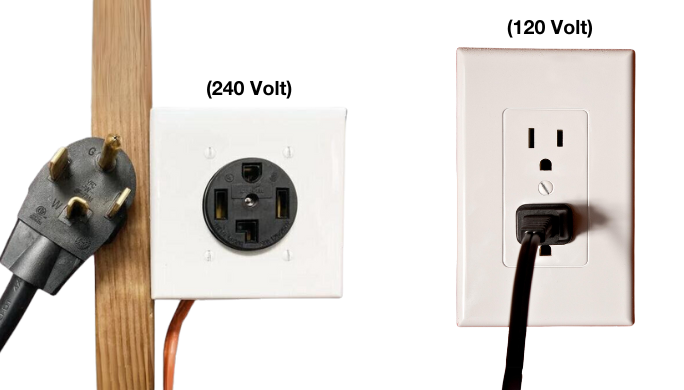
    A 120V kiln runs on a normal household outlet but fires smaller loads to lower top temperatures. A 240V kiln needs a dedicated high-voltage circuit but reaches higher cones, fires faster, and holds larger pieces. Pick 120V for convenience and 240V for capacity and hotter firing.

    Frequently Asked Questions for 240V Glass Kilns
    What is a 240V glass kiln used for?

    A 240V glass kiln delivers higher power for larger and faster glass work, including big fused platters, deep slumping, and kiln casting. The 240 volt supply heats a larger chamber more evenly than a 120V unit, making it the choice for serious studios and bigger pieces.

    Are 240V glass kilns available for sale in larger sizes?

    Yes. 240V glass kilns come in mid-size to large studio and floor models, since the higher voltage supports bigger chambers. Browse the collection for current models and sizes, and match the interior dimensions and shelf size to the largest glass piece you plan to fire.

    What outlet does a 240V glass kiln require?

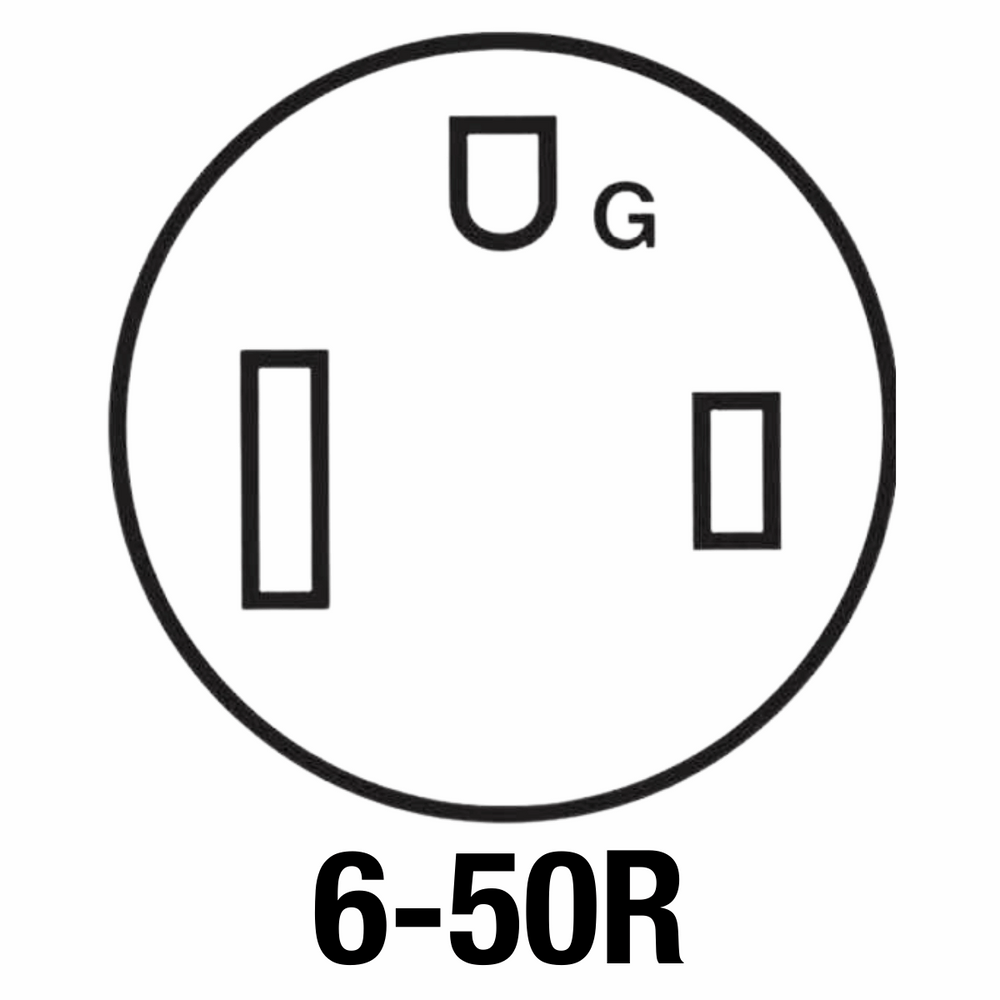
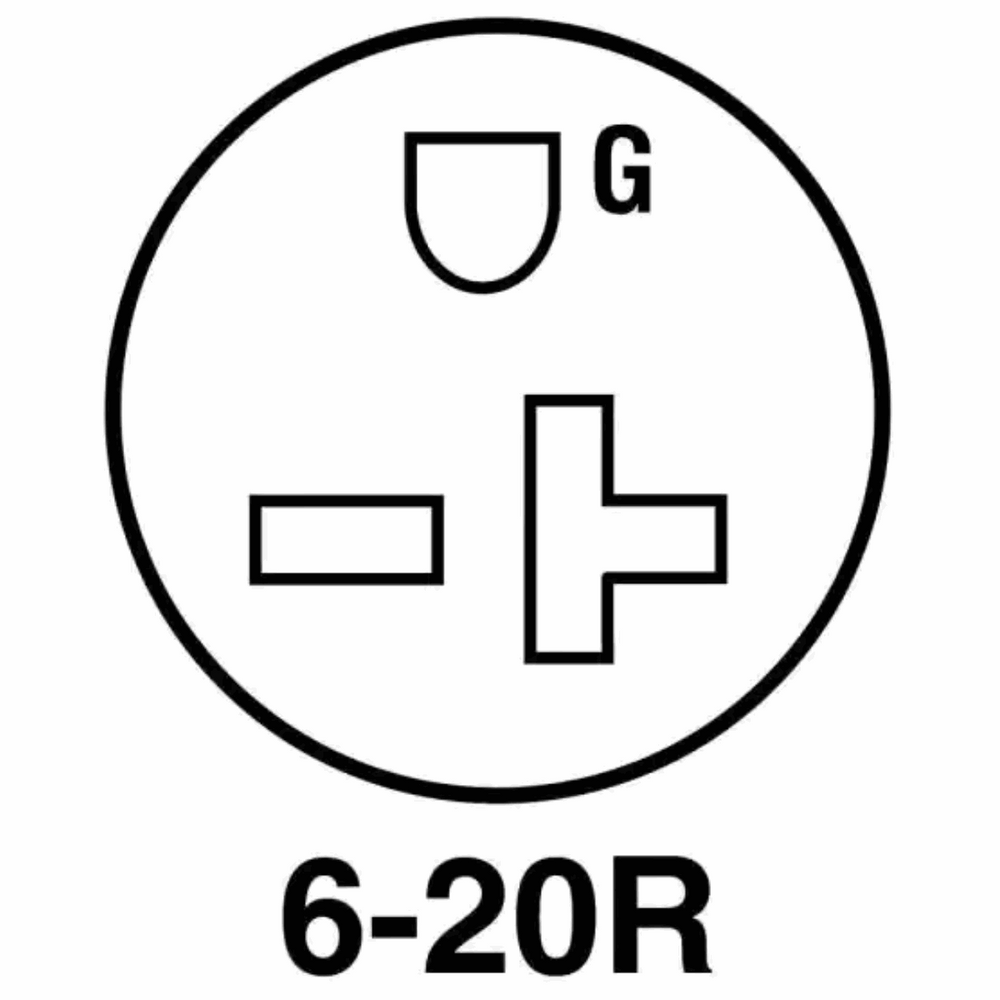
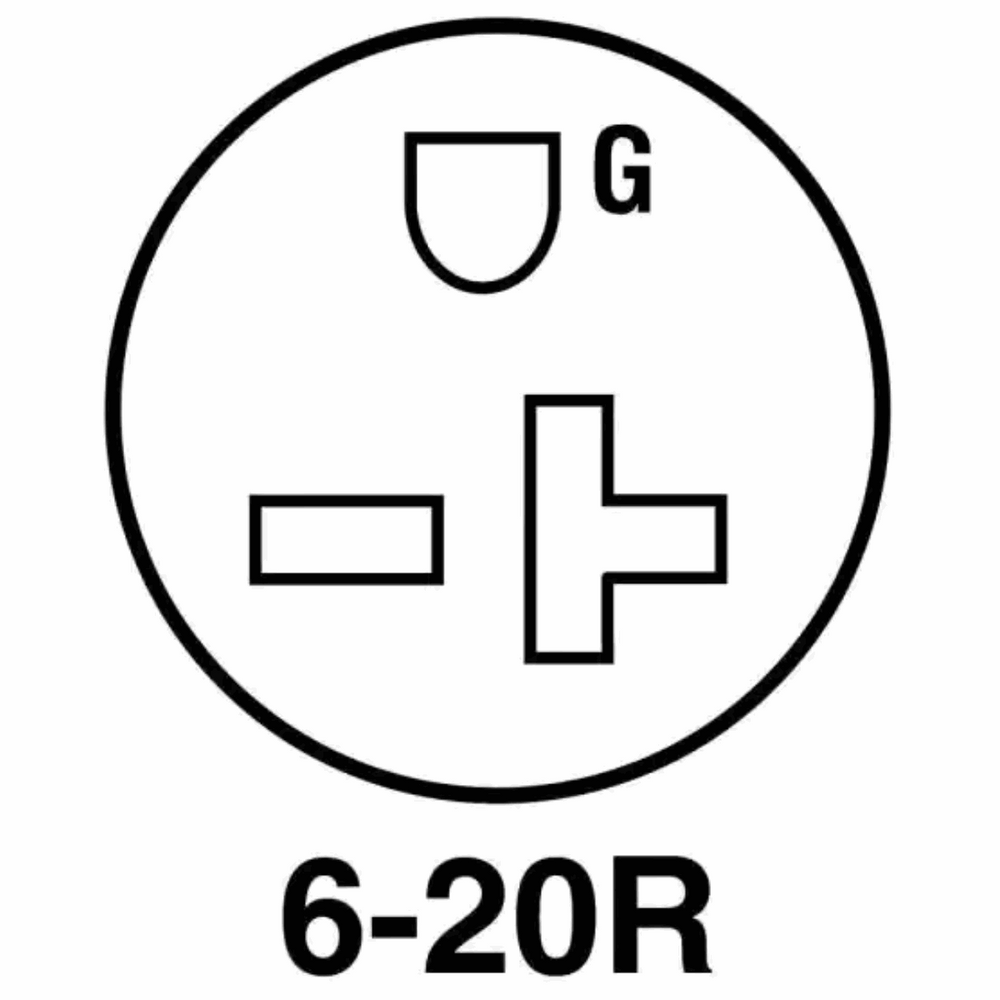
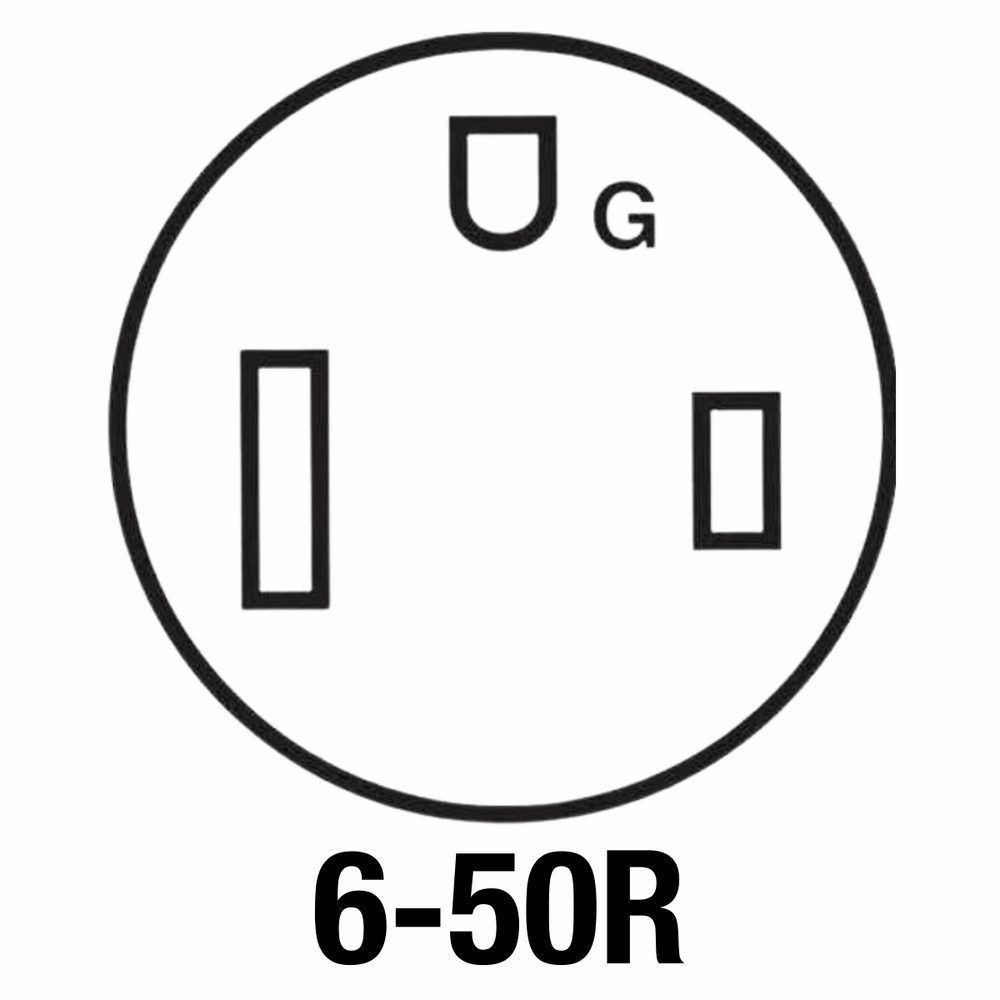
    A 240V glass kiln needs a dedicated 240 volt circuit wired to the model's amperage, similar to a dryer or range. The exact breaker and outlet size depend on the kiln, so check the spec sheet and have an electrician confirm your wiring before firing.

    Is a 240V glass kiln better than a 120V for fusing large pieces?

    Yes, for larger work. A 240V glass kiln has the power to heat a bigger chamber quickly and evenly, which matters for full-size platters and deep casts. A 120V kiln is fine for jewelry and small dishes but cannot match the capacity of a 240V model.

    Can you find used or small 240V glass kilns for sale?

    Availability of used kilns changes over time, so check the current collection for what is in stock. For a compact option, some 240V glass kilns come in smaller chamber sizes that still deliver high-voltage power. Compare interior dimensions and controller features before buying.

    Frequently Asked Questions for 240V Kilns
    What outlet does a 240V kiln need?

    A 240V kiln requires a dedicated 240 volt circuit, similar to an electric dryer or range, wired to match the kiln's amperage. The exact outlet and breaker size depend on the model's amp draw, so check the spec sheet and have an electrician confirm your wiring before firing.

    Is a 240V kiln the same as a 220V kiln?

    In practice, yes. The terms 220V, 230V, and 240V refer to the same standard residential high-voltage supply in North America, and the small differences come from how the grid voltage is measured. A kiln rated for 240V works on a standard 220 to 240 volt circuit.

    How many amps does a 240V kiln draw?

    It depends on size, but many 240V kilns draw 30, 40, or 48 amps and up, requiring a matching dedicated breaker. Larger studio and production kilns pull more. Always size the circuit and outlet to the specific kiln's amperage rather than assuming a 30 amp standard.

    What can you fire in a 240V kiln?

    A 240V kiln handles high-temperature work that 120V kilns cannot, including cone 10 stoneware, porcelain, glass, and larger ceramic loads. The higher voltage delivers more power for faster, hotter, and more even firing, making 240V the standard for serious pottery and production studios.

    Do I need an electrician to install a 240V kiln?

    In most cases, yes. A 240V kiln draws high current and needs a properly sized dedicated circuit, breaker, and outlet, which usually calls for a licensed electrician. Correct wiring protects against overheating and breaker trips, so confirm the model's requirements before installation.

    Frequently Asked Questions for Ameribrade
    What is an Ameribrade belt grinder?

    Ameribrade makes American-built 2x72 belt grinders favored by knife makers and metalworkers for their solid construction and modular attachments. The platform handles bevel grinding, profiling, and finishing, and accepts the wide range of standard 2x72 belts.

    What belt size does an Ameribrade grinder use?

    Ameribrade grinders use the industry-standard 2x72 belt, meaning a 2 inch wide, 72 inch long abrasive belt. That size gives you the broadest grit and material selection, from coarse ceramic for stock removal to fine belts for a polished finish.

    Does Ameribrade make a surface grinder attachment?

    Ameribrade offers attachments that extend the grinder's range, and a surface-grinding setup is among the configurations metalworkers ask about. Check the current product listings for available attachments and confirm compatibility with your specific grinder frame before buying.

    Is a used Ameribrade grinder worth buying?

    Ameribrade grinders are built to last and hold value, so a clean used unit can be a smart buy. Inspect the motor, bearings, and tracking, and check which attachments are included. New units carry a warranty and let you spec the exact configuration you want.

    Are there Ameribrade discount codes available?

    Pricing and any current promotions are shown on the product pages. Rather than chase a discount code, compare the configuration and included attachments, since the right setup matters more than a small saving. Reach out if you want help spec'ing a build.

    Frequently Asked Questions for Annealing Kilns
    What is an annealing kiln and why is it needed?

    An annealing kiln slowly and evenly cools hot glass to relieve internal stress, preventing cracks and breakage later. After glassblowing, lampworking, or fusing, the piece must hold and cool through a controlled schedule. Without annealing, finished glass can shatter days or weeks afterward.

    What is the difference between an annealing oven and an annealing kiln?

    The terms are used interchangeably for glass. Both describe a controlled-temperature chamber that cools glass gradually to remove stress. Some makers call larger units annealing ovens or lehrs and smaller bench units annealing kilns, but the function, slow programmed cooling, is the same.

    Do I need an annealing kiln for lampwork beads?

    Yes, if you want durable beads. A bead annealing kiln holds the glass at a soak temperature and cools it slowly so the beads do not crack from thermal stress. Many lampworkers batch-anneal beads at the end of a session in a dedicated bead kiln.

    Can you anneal glass in a regular oven?

    No. A household oven cannot hold the precise soak temperature or run the slow, controlled cooling ramp that proper annealing requires, so the glass stays stressed and is likely to crack. A dedicated annealing kiln or oven with a programmable controller is needed for reliable results.

    What size annealing kiln do I need?

    Size depends on your work: bead makers need only a small chamber, while glassblowers handling vessels need a larger annealer. Choose interior dimensions that fit your biggest piece with room to spare. Browse the collection to compare chamber sizes and controller features.

    Frequently Asked Questions for Anvils
    What kind of anvil do I need for knife making and blacksmithing?

    For most metalwork you want an anvil with a flat, hardened face, a horn for curves, and enough mass to bounce the hammer back. A knifemaker anvil can be smaller than a farrier or general blacksmith anvil, since blade work needs less surface but still rewards good rebound.

    What size and weight anvil should I buy?

    Heavier anvils transfer more energy and move metal faster, which is why many smiths choose anvils in the 70 to 150 pound range or more. If you forge small parts and knives, a lighter, well-supported anvil works fine. Match the weight to your projects and your stand.

    Do you sell forges and anvils together?

    Yes. Many smiths set up with both a forge and an anvil, and you can shop forges alongside anvils on the site. The forge brings steel to working heat and the anvil gives you the surface to shape it, so they work as a pair.

    What is a cone anvil used for?

    A cone anvil, sometimes called a conical mandrel, is used for shaping and truing rings, bands, and curved metal. It complements a flat-faced anvil rather than replacing it, and is handy for jewelry, ringwork, and any project that needs a tapered forming surface.

    Should I buy a new or used anvil?

    A new anvil gives you a known, consistent hardened face and full support, while a used anvil can be a value if the face is flat and shows good rebound. Inspect any used anvil for sway, chips, and dead spots before buying, since a worn face limits how efficiently it moves metal.

    Frequently Asked Questions for Bullseye Glass
    What is Bullseye glass used for?

    Bullseye glass is a tested-compatible fusible art glass made for kiln-forming, including fusing, slumping, and casting. Its consistent COE means sheets, frit, stringers, and rods fuse together reliably, which is why it is a standard among fused glass artists.

    Can I buy Bullseye glass sheets here?

    Yes. We sell Bullseye glass sheets along with frit, stringers, and accessories for fusing. Browse the collection to buy Bullseye glass by color and style, and check each listing for sheet size and current availability.

    Is all Bullseye glass compatible for fusing?

    Bullseye's tested-compatible line is formulated to the same coefficient of expansion so the pieces fuse without stress cracks. Mixing Bullseye with glass of a different COE can cause incompatibility, so keep your project within one compatible glass system.

    Where can I find a Bullseye glass price list?

    Pricing varies by color, opacity, and sheet size, since some specialty and reactive colors cost more than standard ones. Each product listing shows current pricing, so browse the collection for up-to-date Bullseye glass prices.

    Do you ship Bullseye glass, and how is it packed?

    We carry Bullseye glass for sale online and pack sheets carefully for transit, since art glass is fragile. Availability can vary by color and run, so check the listing and order early if a specific color is critical to your project.

    Frequently Asked Questions for Bullseye Thinfire
    What is Bullseye Thinfire paper?

    Bullseye Thinfire is a thin, ceramic-based shelf paper that gives fused glass a smooth bottom and keeps it from sticking to the kiln shelf. It burns off cleanly during firing, leaving a fine powder residue you brush away.

    Is Thinfire better than kiln wash for fusing?

    Thinfire gives a smoother, more consistent glass bottom than kiln wash and saves the time of washing and re-coating shelves. It is single-use per firing, so many artists use Thinfire for finished work and kiln wash for general firing.

    Can I reuse Thinfire paper?

    No. Thinfire is designed for a single firing. It bonds and breaks down during the firing cycle, so you place a fresh sheet on the shelf for each new glass project to get a clean release.

    How do I use Bullseye Thinfire on my kiln shelf?

    Lay a sheet of Thinfire smooth-side up on a clean, level kiln shelf, then place your glass on top. After firing, lift off the glass and brush away the leftover powder. Always work in a ventilated space and avoid inhaling the dust.

    What size Thinfire paper should I buy?

    Choose a Thinfire size that covers your kiln shelf or your glass project with a little margin. It cuts easily with scissors, so a larger sheet or roll can be trimmed to fit multiple shelf sizes.

    Frequently Asked Questions for Ceramics / Pottery Kilns
    What is the difference between a ceramic kiln and a pottery kiln?

    There is no real difference: a ceramic kiln and a pottery kiln are the same tool, used to fire clay into finished ware. Both reach the high temperatures needed to bisque and glaze fire pottery, and the terms are used interchangeably across this collection.
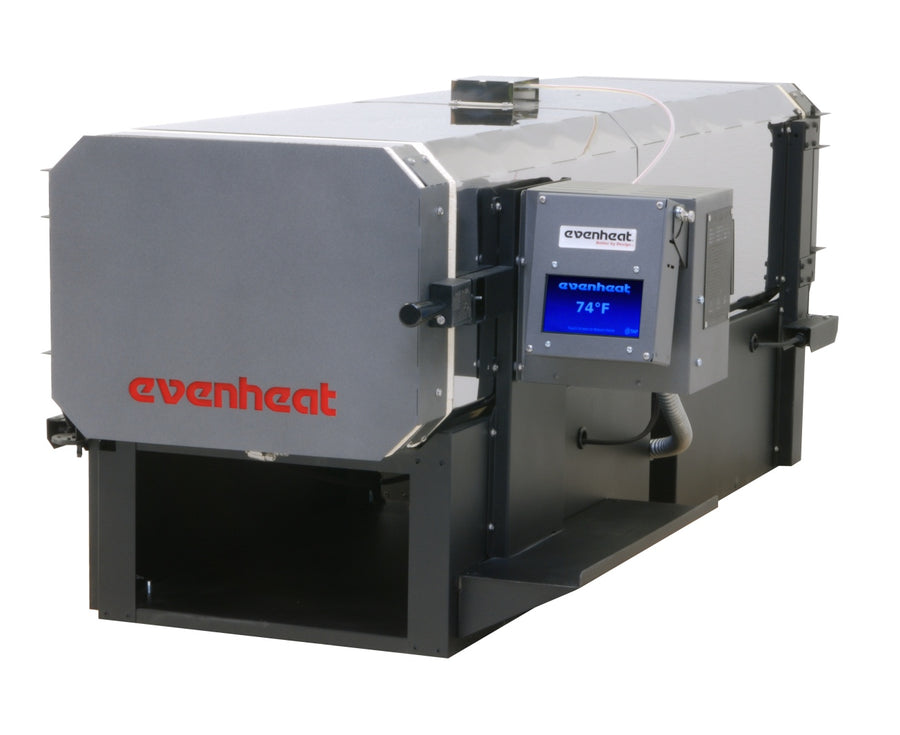
    Do you sell used pottery kilns for sale?

    We carry new ceramic and pottery kilns rather than secondhand units, so quality and warranty are consistent. Shoppers searching for a used kiln for sale often choose a new entry-level kiln instead, since the price gap is smaller than expected once condition and reliability are factored in.

    How much does a pottery kiln cost?

    Pottery kiln prices range widely based on chamber size, cone rating, and controller type, from compact tabletop units up to large studio kilns. Browse the listings in this collection for current pricing, and factor in shelves, posts, and installation when you budget.

    Where can I find a kiln for sale near me?

    We ship ceramic and pottery kilns nationwide, so you can order online instead of hunting for a kiln for sale near you. This usually gives you a wider model selection than a local listing, plus new condition and manufacturer support.

    What cone temperature do I need for ceramics and pottery?

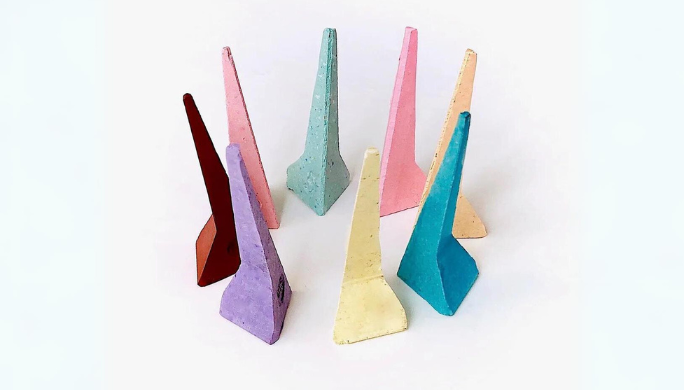
    Most stoneware fires to cone 6, earthenware to around cone 04, and porcelain to cone 10, so choose a kiln rated above the highest cone you plan to use. A kiln rated to cone 10 covers nearly all pottery clay bodies and glazes with headroom to spare.

    Frequently Asked Questions for Clamshell Opening Kilns
    What is a clamshell kiln and how does it work?

    A clamshell kiln has a hinged, top-opening lid that lifts up like a clam shell, exposing the entire firing chamber from above. This design gives you easy, full-access loading and unloading of flat glass or shelves, which makes it popular for fusing, slumping, and large pieces.

    What are clamshell kilns best used for?

    Clamshell ovens are ideal for fused glass, slumped glass, and flat work where you load from the top onto a shelf. The wide opening lets you place and view large or delicate pieces without reaching through a side door, so they are a common choice for glass artists and small studios.

    How much does a clamshell glass kiln cost?

    Pricing for clamshell glass kilns varies by chamber size, voltage, and controller type, with smaller tabletop models costing far less than large studio units. Browse the collection for current pricing on each model, since prices change with manufacturer updates and available features.

    What is the difference between a clamshell kiln and a top-loading kiln?

    A clamshell kiln opens on a hinge so the whole lid and one side swing up together, exposing the full chamber. A standard top-loader has a fixed body with only the lid lifting. Clamshell access is easier for loading wide flat glass and reaching the shelf.

    Can I fuse glass in a clamshell kiln?

    Yes. Clamshell kilns are well suited to glass fusing because the top-opening lid lets you lay flat glass directly onto the shelf and monitor it easily. Pair the kiln with a programmable controller so you can run accurate fusing and annealing schedules.

    Frequently Asked Questions for Coldworking Equipment
    What is coldworking glass?

    Coldworking is shaping or finishing glass at room temperature using grinding, sanding, polishing, and cutting rather than heat. It is how artists clean up fused pieces, flatten edges, carve, and add a polished finish after the kiln work is done.

    What tools do I need for coldworking glass?

    A typical coldworking setup includes a flat lap grinder, lap or lapidary wheels in stepped grits, a glass saw, and diamond pads for polishing. Many artists start with one flat lap machine and add tooling as projects demand. Water cooling is essential for all of it.

    What does a glass working machine do?

    A glass working machine grinds, smooths, and polishes glass surfaces and edges using diamond abrasives and water. Flat laps handle large flat surfaces, while grinders and saws shape and cut. The right machine depends on whether you are flattening, edging, or polishing.

    Where can I buy affordable glass coldworking equipment?

    We stock coldworking machines, tooling, and replacement abrasives for glass artists at a range of price points, from compact starter flat laps to full studio setups. Compare wheel size, grit options, and water-cooling features to find the best value for your work.

    What is the difference between coldworking and cold forming glass?

    Coldworking removes or finishes glass at room temperature through grinding and polishing. Cold forming bends or shapes glass without heat, often with mechanical pressure over a mold. Coldworking equipment focuses on abrasives and laps for the grinding and polishing stage.

    Frequently Asked Questions for Color Cues
    What are Color Cues used for?

    Color Cues are colorant products used to add color to fused and kiln-formed glass projects. They let artists introduce hues and accents to clear or base glass that fire in permanently, expanding your palette beyond standard sheet colors.

    How do Color Cues differ from glass enamels?

    Both add color to glass, but they are applied and behave differently in the kiln. Enamels are finely ground glass for detailed surface decoration, while Color Cues are formulated as colorants for fusing. Follow each product's instructions for the best fired result.

    Are Color Cues compatible with my fusing glass?

    Color Cues are made for kiln-formed glass work, but always confirm compatibility with your specific glass type and COE before a full project. Run a small test fire first so you can confirm the color and fit before committing finished pieces.

    How do I apply Color Cues to glass?

    Application depends on the specific Color Cues product, which may be brushed, sifted, or layered onto the glass before firing. Read the product instructions for mixing and firing guidance, since each colorant has its own recommended application method and schedule.

    Where can I buy Color Cues for glass fusing?

    We carry Color Cues in our glass and enamel supplies for kiln-forming artists. Browse the collection to see available colors and product options, and check each listing for the format and quantity that fits your project.

    Frequently Asked Questions for Covington / Ameritool / Lortone
    What is Covington Engineering known for in lapidary equipment?

    Covington Engineering builds professional-grade lapidary equipment, including flat laps, grinders, trim and slab saws, and rock tumblers. The brand is favored by serious hobbyists and shops that want heavy-duty machines built to last.

    What is a flat lap used for?

    A flat lap is a rotating disc machine used to grind, smooth, and polish flat surfaces on stones, cabochons, and glass. Covington and Ameritool flat laps let you step through grits to take a slab from rough to a finished polish.

    What is the best rock tumbler for serious or professional use?

    For heavy or professional tumbling, look at rugged rotary tumblers with larger barrels and durable motors, such as the Covington and Lortone units in this collection. They are built for long run times and bigger batches than typical hobby tumblers.
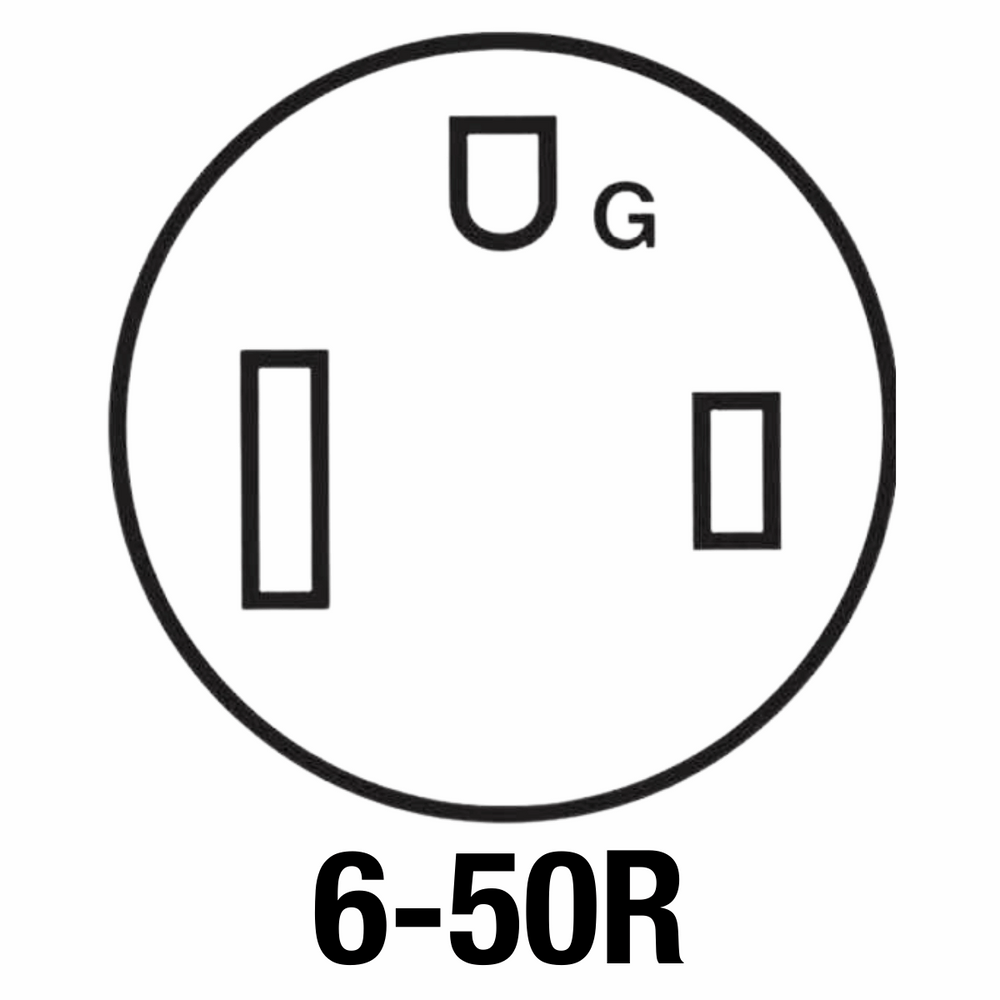
    What size rock tumbler should I choose?

    Barrel capacity, often listed in pounds, tells you how much rough you can tumble at once. Smaller 3 to 6 pound tumblers suit hobbyists, while 12 pound and larger units handle bigger or more frequent batches. Pick a capacity that matches your typical load.

    Can I get a double barrel rock tumbler for running grits separately?

    Yes. A double barrel rock tumbler lets you run two batches or two grit stages at once, which speeds up the polishing cycle and keeps stages from cross-contaminating. This collection includes dual barrel lapidary tumblers for that workflow.

    Frequently Asked Questions for Cress Kilns
    What is a Cress electric kiln used for?

    Cress electric kilns fire ceramics and pottery, glass, and heat-treat applications, and the brand is well known for durable American manufacturing. The line ranges from small tabletop kilns to larger studio models, so you can match the kiln to your clay body and firing schedule.

    What are the specs of the Cress FX23P kiln?

    The FX23P is a popular mid-size Cress kiln with a digital FX controller for programmable firing. Exact chamber dimensions, voltage, amperage, and cone rating are listed on the product page, so check the current spec sheet there before ordering.

    Where can I get Cress kiln parts?

    Replacement Cress kiln parts include elements, thermocouples, relays, controllers, and lid materials. Match parts to your exact model number, which is printed on the kiln data plate, so the element wattage and dimensions fit correctly. Reach out with your model if you are unsure.

    Does Cress make heat treat furnaces?

    Yes. Alongside pottery and glass kilns, Cress builds heat-treat furnaces and ovens used for hardening knife steel and tempering metal. These models hold precise temperatures for repeatable heat-treat cycles. Confirm the temperature range and chamber size for your steel.

    Should I buy a new or used Cress kiln?

    A new Cress kiln comes with a warranty, current controller technology, and fresh elements, which matters for firing consistency. Used kilns can save money but may need new elements or a thermocouple soon. Factor those replacement costs in when comparing.

    Frequently Asked Questions for Medium Kilns for Diesel Particulate Filter Thermal Cleaning Ovens/ Kilns
    What is a DPF cleaning oven and how does it work?

    A DPF cleaning oven, sometimes called a DPF kiln, uses controlled high heat to bake out the soot and ash trapped in a diesel particulate filter. The thermal cycle turns soot to ash, which is then removed, restoring the filter's flow and performance.

    Is there DPF cleaning equipment for sale for a shop?

    Yes. This collection offers thermal DPF cleaning ovens and kilns sized for service shops and fleets. Match the chamber size to the largest filters you service, and consider pairing the oven with an air-flow cleaning station for a complete process.

    How much does a DPF filter cleaning machine cost?

    Prices depend on chamber size, capacity, and whether the system is oven-only or a combined thermal and air-flow setup. Check each product page for current pricing, and weigh the equipment cost against the volume of filters you clean to gauge payback.

    Is thermal cleaning better than chemical DPF cleaning?

    Thermal cleaning in an oven removes baked-on ash and soot that liquid or pneumatic methods often leave behind, which is why many shops use a thermal cycle followed by air flushing. It delivers a deeper clean for heavily loaded filters.

    What size diesel particulate filters can these ovens clean?

    DPF cleaning ovens come in different chamber sizes to handle filters from light trucks up to large commercial and off-road units. Confirm the interior dimensions on the product page fit the filters you service before purchasing.

    Frequently Asked Questions for Display Stands
    What are glass slumping molds used for?

    Glass slumping molds shape flat fused glass into bowls, plates, dishes, and curved forms when heated in the kiln. The glass softens and drapes into or over the mold, taking on its contour as it cools and sets.

    What is the difference between slumping and draping molds?

    Slumping molds are concave, so glass sinks into the cavity to form a bowl or dish. Draping molds are convex, so glass drapes over the top to create a raised shape. Many projects use both depending on the form you want.

    Do stainless steel molds need kiln wash?

    Yes. Stainless steel casting and slumping molds should be coated with kiln wash or boron nitride before each firing so the glass releases cleanly and the surface stays smooth. Ceramic molds also need a separation coat to prevent sticking.

    Are these molds reusable for fused glass?

    Fused glass slumping molds are reusable for many firings when you reapply a separator coat and avoid thermal shock. Inspect ceramic molds for cracks and stainless molds for warping between uses, and store them clean and dry.

    How do I pick the right slumping mold size?

    Choose a mold slightly larger than your glass blank so the piece has room to slump without overshooting the edge. Check the mold's outer diameter against your kiln shelf, and leave clearance around it for even heat.

    Frequently Asked Questions for Dual Media Kilns (Glass & Ceramic)
    What is a dual media kiln?

    A dual media kiln is built to fire both glass and ceramics in one unit. It combines features useful for each, such as top and side heating elements and a controller with both glass and pottery firing programs, so you can switch between projects without buying two separate kilns.

    Can you use the same kiln for pottery and glass?

    Yes, with the right kiln. A dual media or combination kiln handles both because it offers even heat for glass fusing and reaches the higher temperatures pottery needs. Using a pure pottery kiln for glass can give uneven results, so a dual media kiln is the safer choice for both.

    Can you use a glass kiln for ceramics?

    It depends on temperature rating and element placement. Many glass kilns top out below pottery's needs and heat from the top only, which suits fusing but not even pottery firing. A dual media kiln is designed to do both, making it the more versatile option.
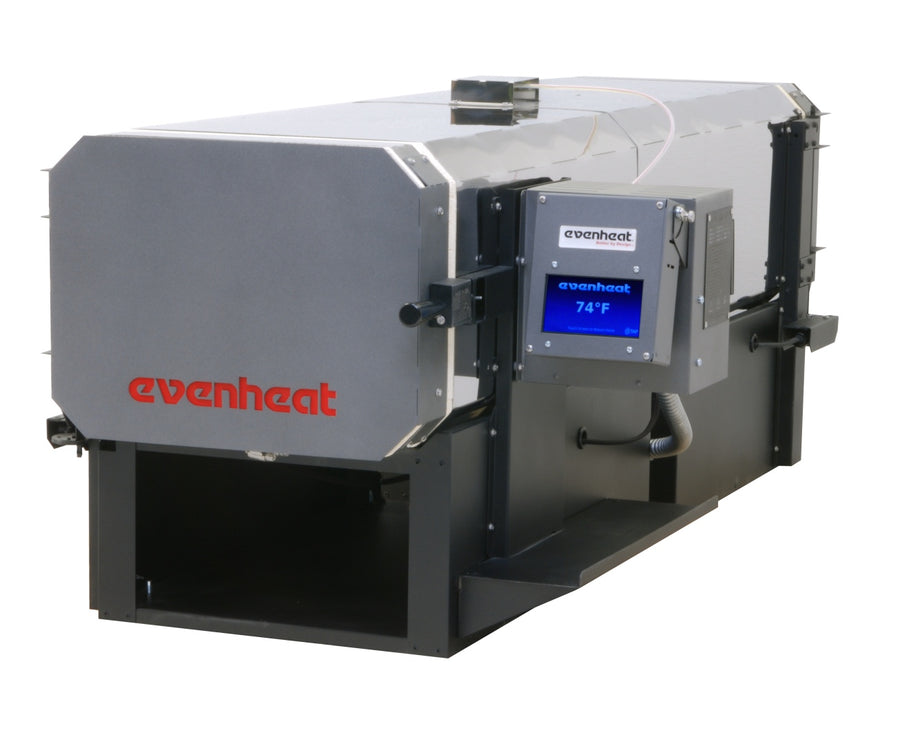
    What is the best kiln for glass fusing and pottery?

    The best choice for doing both is a dual media kiln with combined side and top elements and a programmable controller. It gives you the gentle, even heat glass fusing wants plus the higher top temperature pottery requires. Compare chamber sizes in our dual media collection.
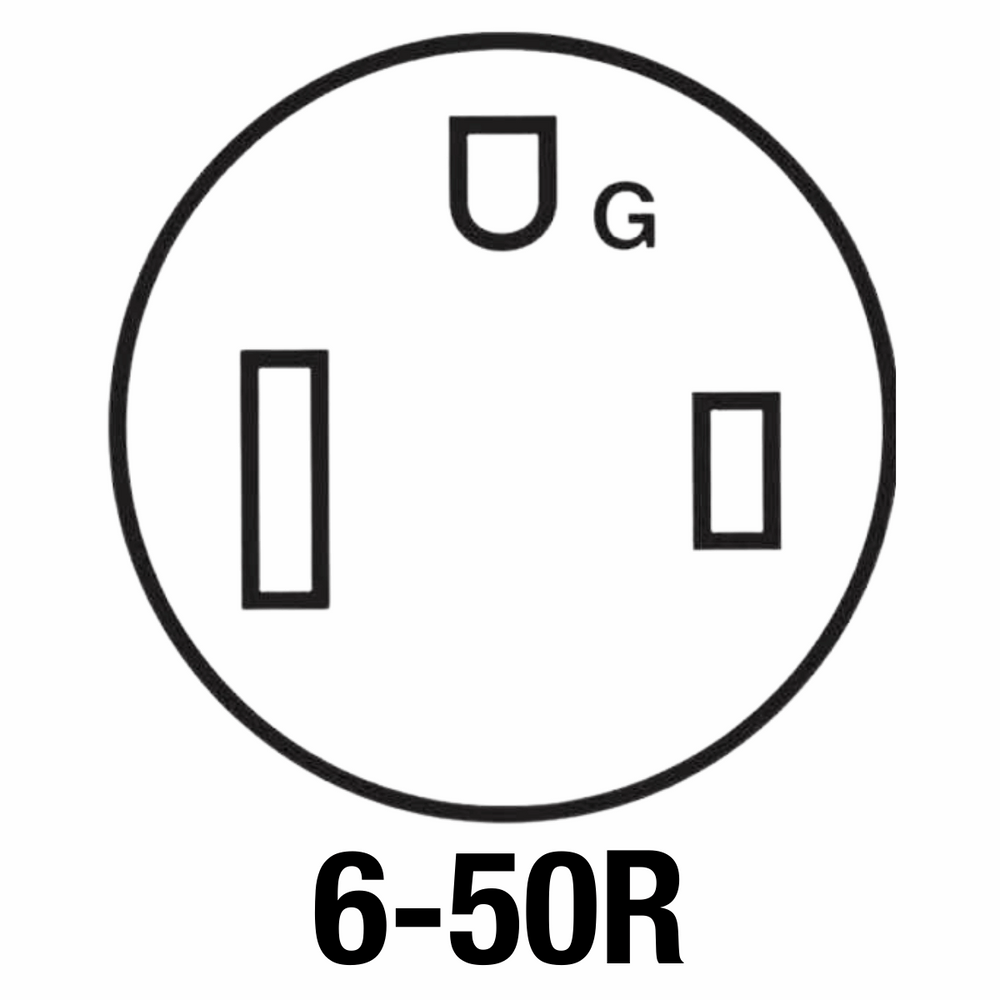
    Do I need separate kilns for glass and ceramics?

    Not if you choose a dual media kiln. A single combination unit saves space and money while letting you fire glass and ceramic projects in the same kiln. If you only ever do one medium, a dedicated kiln is fine, but most makers value the flexibility.
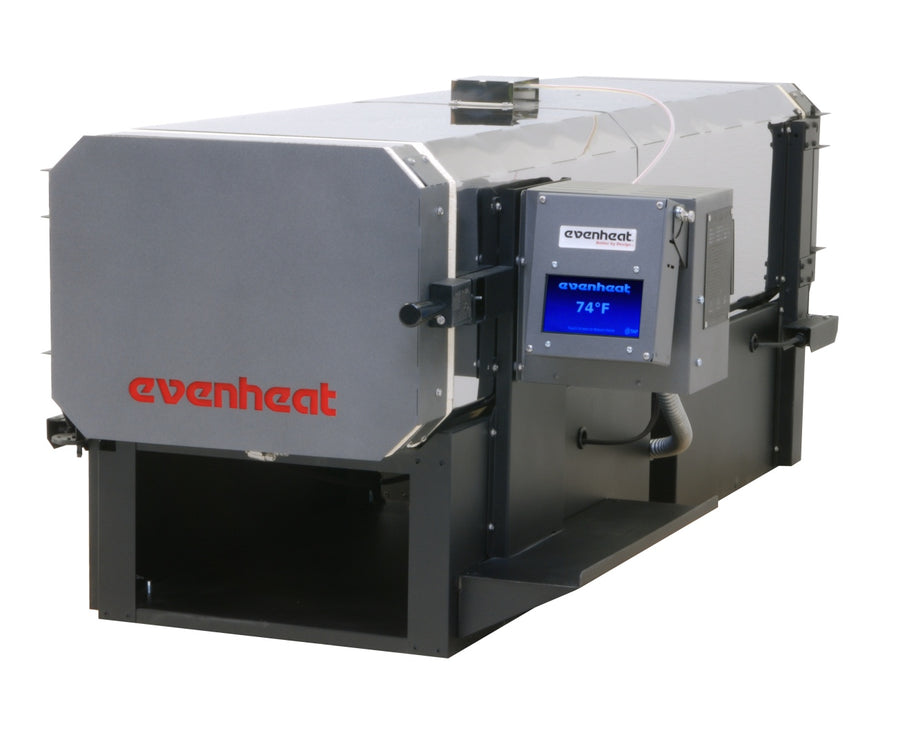
    Frequently Asked Questions for Electric Kilns (Pottery, Glass & Heat Treating)
    What can an electric kiln be used for?

    Electric kilns fire a wide range of work, including pottery and ceramics, glass fusing and slumping, and metal heat treating. The right model depends on your top temperature and chamber size needs. A versatile electric kiln lets one unit cover several of these uses.

    What voltage does an electric kiln need?

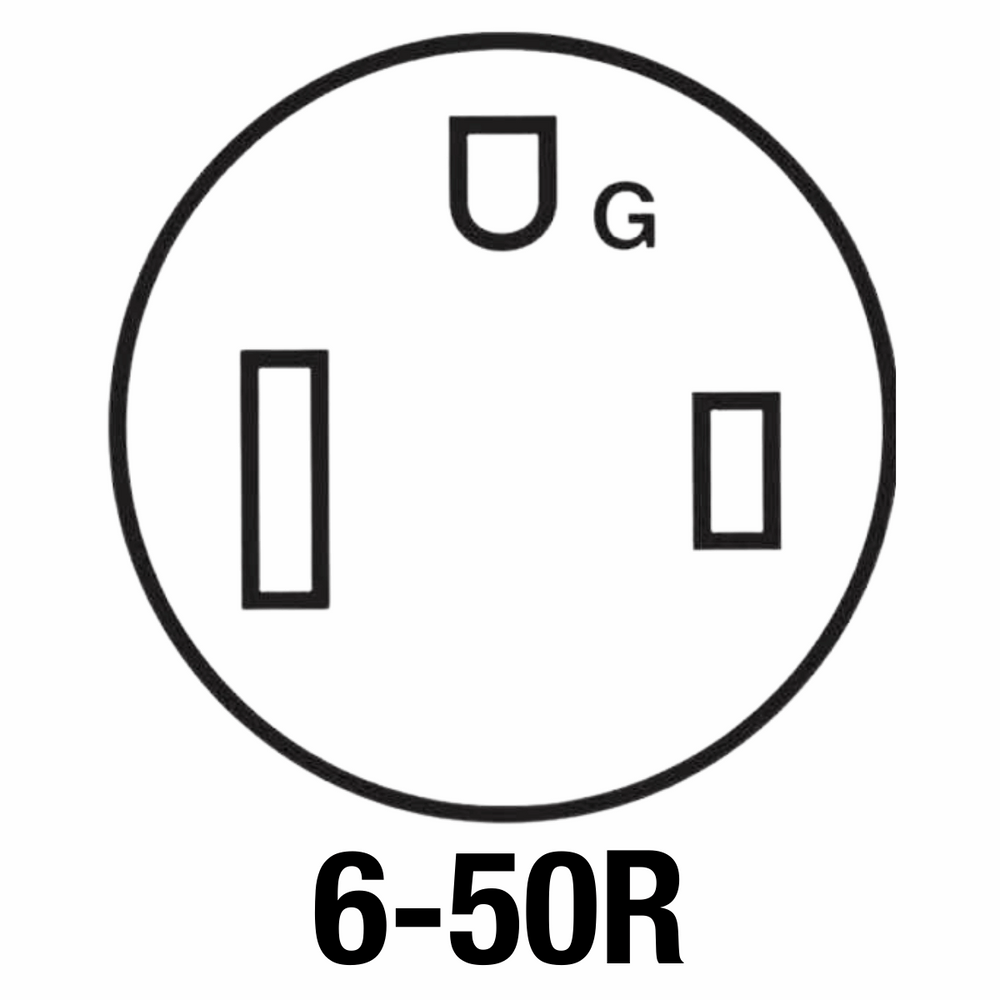
    Smaller electric kilns run on standard 120V household outlets, while larger pottery and high-temperature kilns require 240V and a dedicated circuit. Check the kiln's amperage and confirm your outlet and breaker match before buying, since this affects installation cost.

    Can one electric kiln do pottery, glass, and heat treating?

    Some electric kilns are built to handle multiple jobs, but firing needs differ: glass wants even heat, pottery needs high cone temperatures, and heat treating needs accurate holds. A multipurpose electric kiln with a programmable controller covers these, though dedicated kilns can perform better for one task.

    Do you have kilns ready to ship?

    Yes, many electric kilns are stocked and ready to ship, while specialty configurations may be built to order. Lead times vary by brand and model. Check the listing for current availability, since in-stock status changes as inventory moves.

    How do I choose the right size electric kiln?

    Size your kiln to your largest typical piece plus room for kiln furniture, then consider how much you fire at once. Bigger chambers cost more to buy and run, so match the interior to your real workload rather than buying the largest available.

    Frequently Asked Questions for Enameling Kilns
    What is an enameling kiln used for?

    An enameling kiln fuses powdered glass enamel onto metal, most often copper, silver, or gold, to create durable colored surfaces for jewelry and art. It reaches the precise high temperatures needed to melt enamel evenly without scorching, which a regular oven cannot do.

    Can I use an enameling kiln as a jewelry kiln?

    Yes. Enameling kilns double as jewelry kilns for many small metalworking tasks, including firing enamel, fusing, and some metal clay work. Their compact, fast-heating chambers suit small pieces. Check the model's maximum temperature to confirm it fits your specific jewelry process.

    What kiln is best for copper enameling?

    For copper enameling, choose a small enameling kiln that heats quickly and holds a steady temperature, usually around 1400 to 1500 degrees Fahrenheit. A fast-recovering chamber matters because pieces go in and out repeatedly. Browse the collection for models sized to your work.

    How much does an enameling kiln cost?

    Enameling kilns are generally among the more affordable kilns because they are small, but pricing varies by chamber size, controller, and brand. Check the collection for current pricing. Digital-controller models cost more than basic pyrometer units but give you tighter temperature control.

    Can you do cloisonne in an enameling kiln?

    Yes. Cloisonne is a classic enameling technique, and a dedicated enameling kiln is well suited to it. The kiln fires the enamel between metal wire cells at consistent high heat. Use a model with reliable temperature control so each layer fuses evenly without overfiring.

    Frequently Asked Questions for Enamels
    What are glass enamels?

    Glass enamels are finely ground, colored glass powders or paints that fuse permanently onto glass when fired in a kiln. They let you add color, detail, and imagery to fused glass projects, and the color becomes part of the glass surface after firing.

    What are EZ Fire enamels and how do they fire?

    EZ Fire enamels by Fusemaster are lead-free glass enamels designed to fire at fusing temperatures and stay compatible with most art glass. Follow the manufacturer's EZ Fire firing schedule for your glass type, since exact ramps and hold temperatures depend on your project.

    Can I use enamel paint on glass?

    Use kiln-fired glass enamels made for fusing rather than ordinary enamel paint. Fired glass enamels bond permanently and resist wear, while general enamel paints are not formulated for kiln temperatures and can burn off or fail to adhere.

    Do I need a medium to apply glass enamels?

    Most powdered glass enamels are mixed with water or a firing medium so they brush, pen, or screen on smoothly. The medium burns off during firing, leaving only the fused color, so match the medium to your application method.

    What is the difference between enamels and frit?

    Enamels are very fine glass powders used for detailed color, painting, and surface decoration. Frit is coarser crushed glass used to build up color and texture across a piece. Both fuse to glass, but enamels give finer detail while frit gives body.

    Frequently Asked Questions for Evenheat Kilns
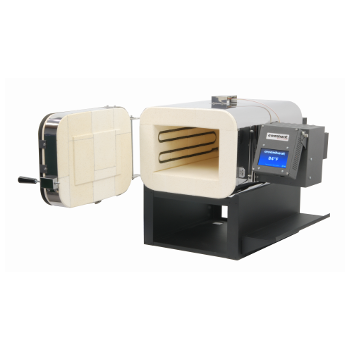
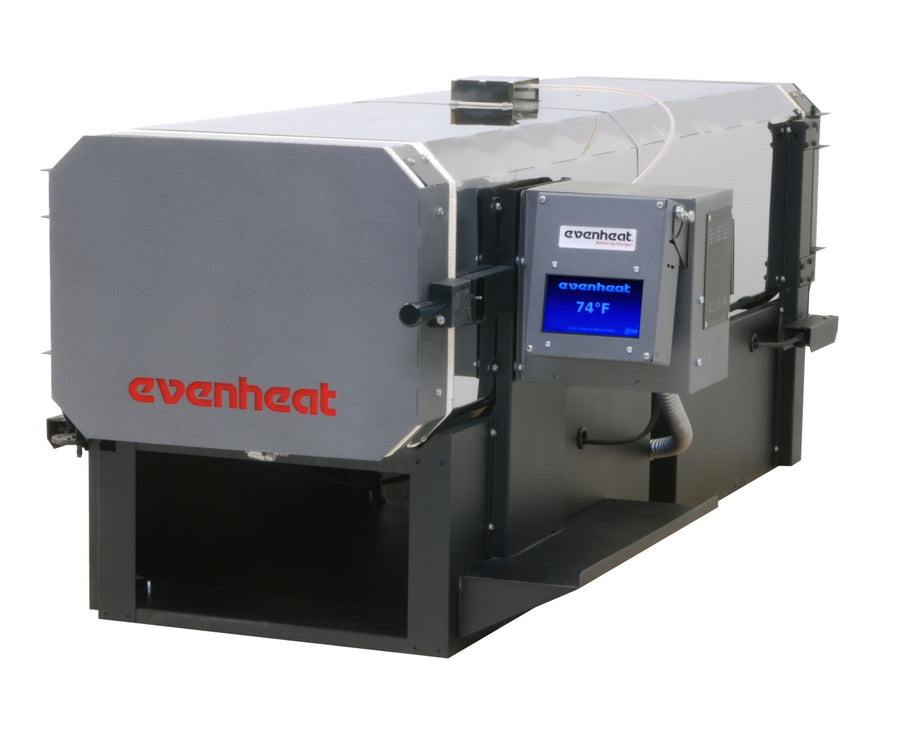
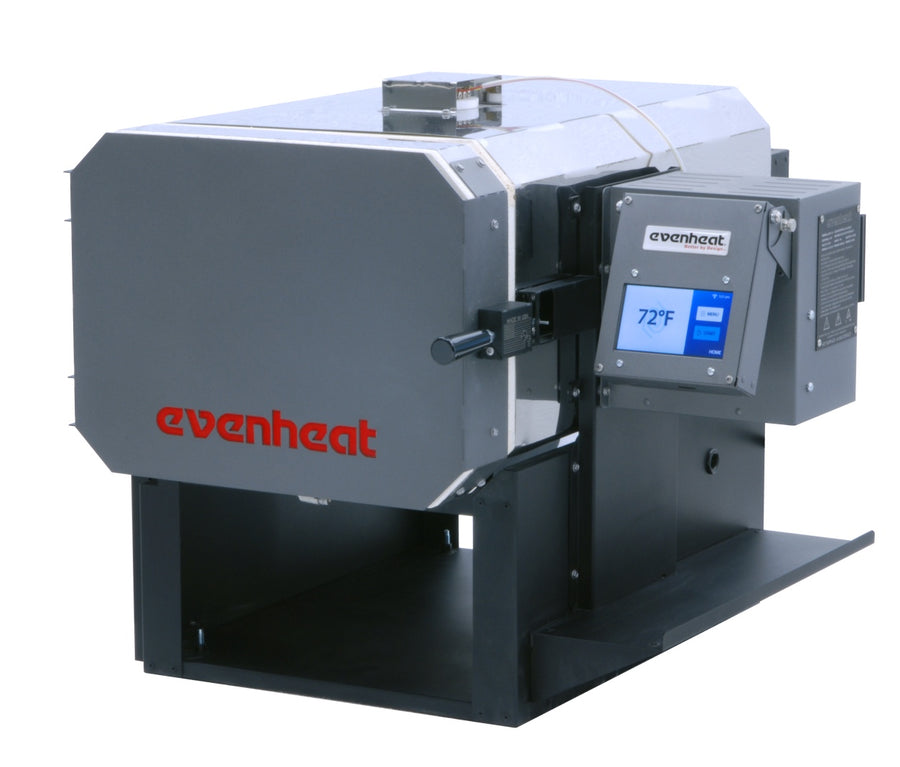
    What does Evenheat make kilns for?

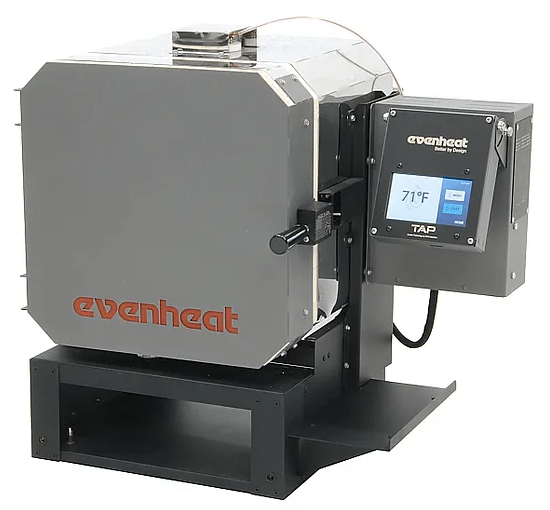
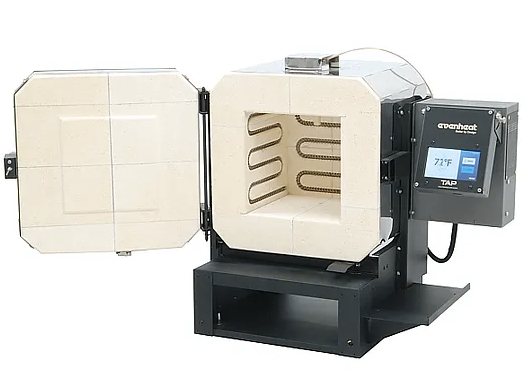
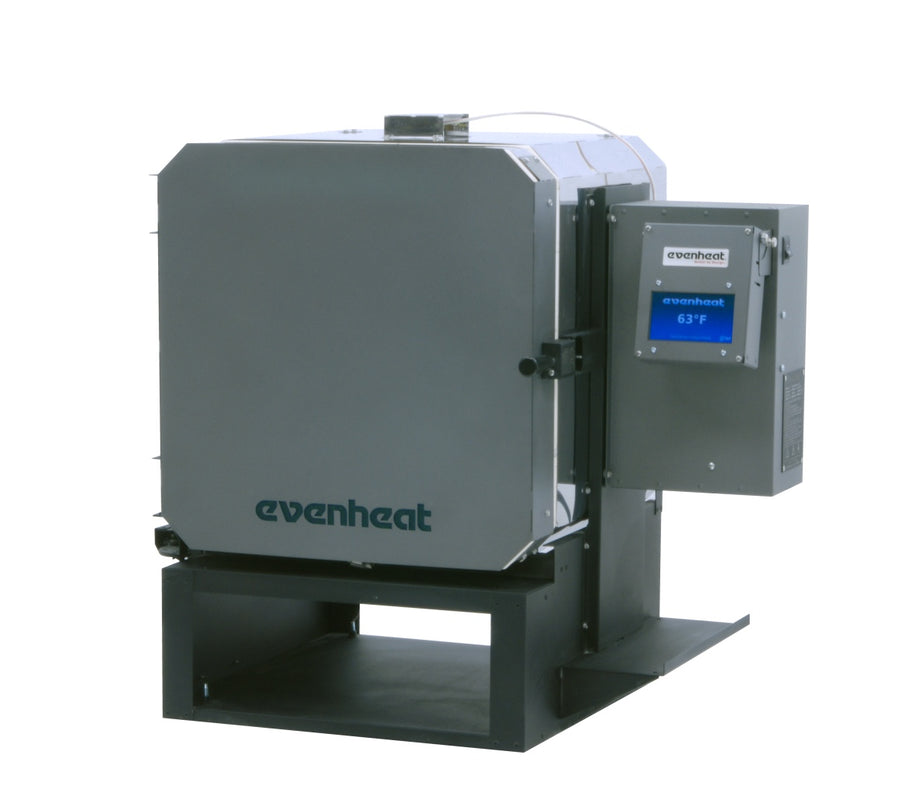
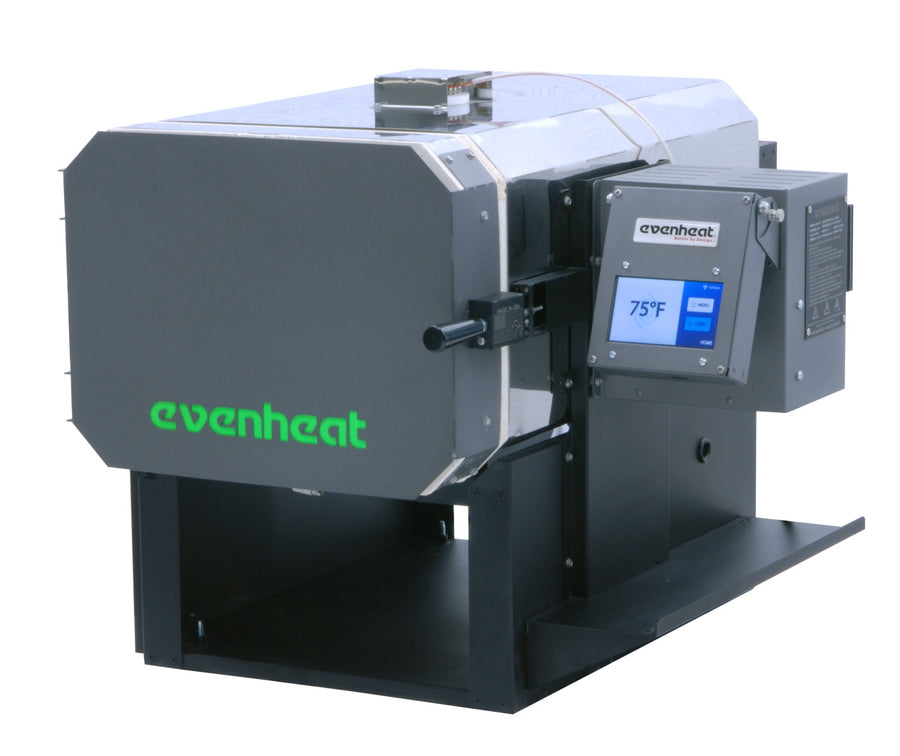
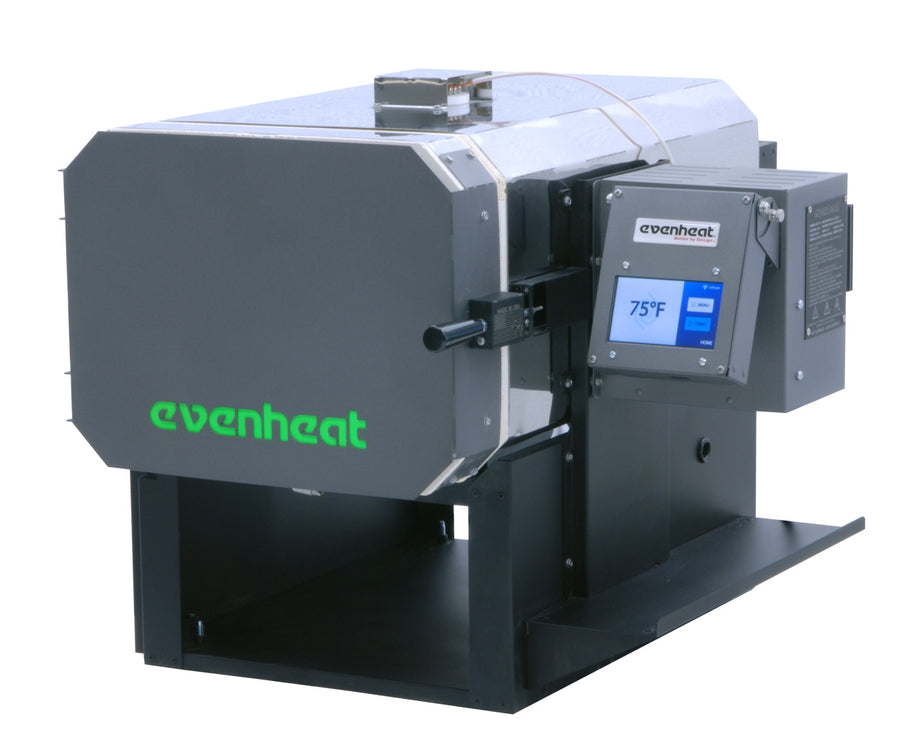
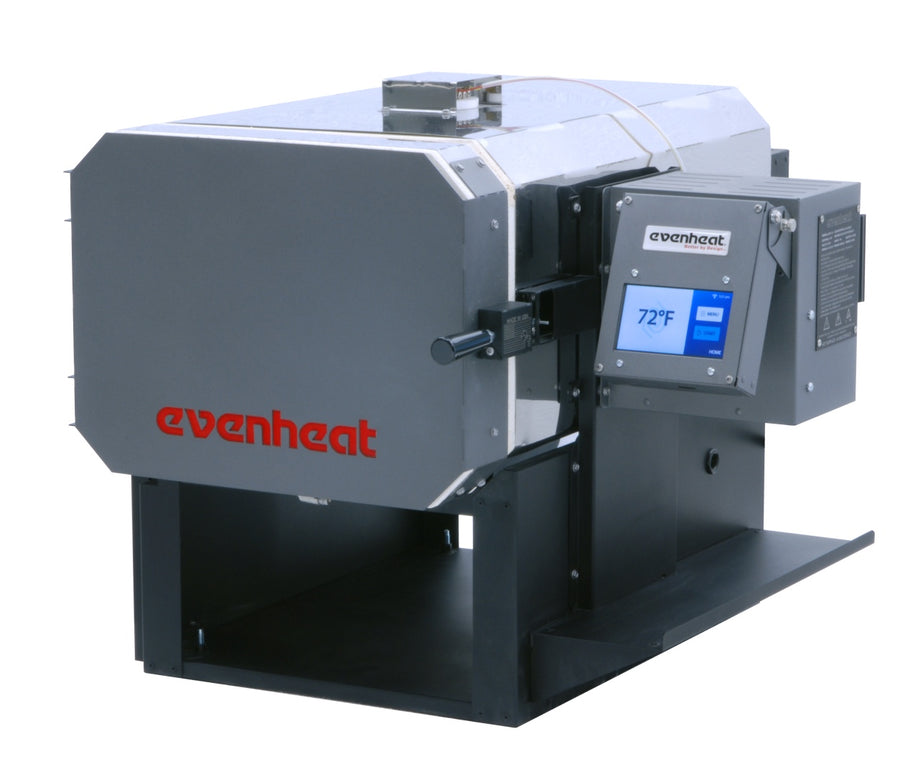
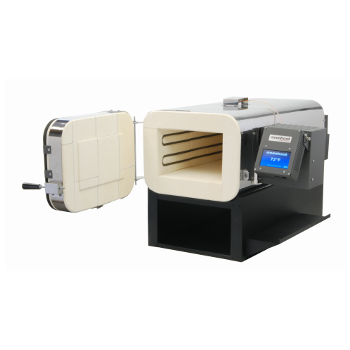
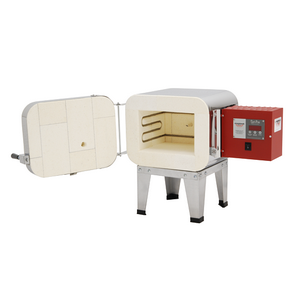
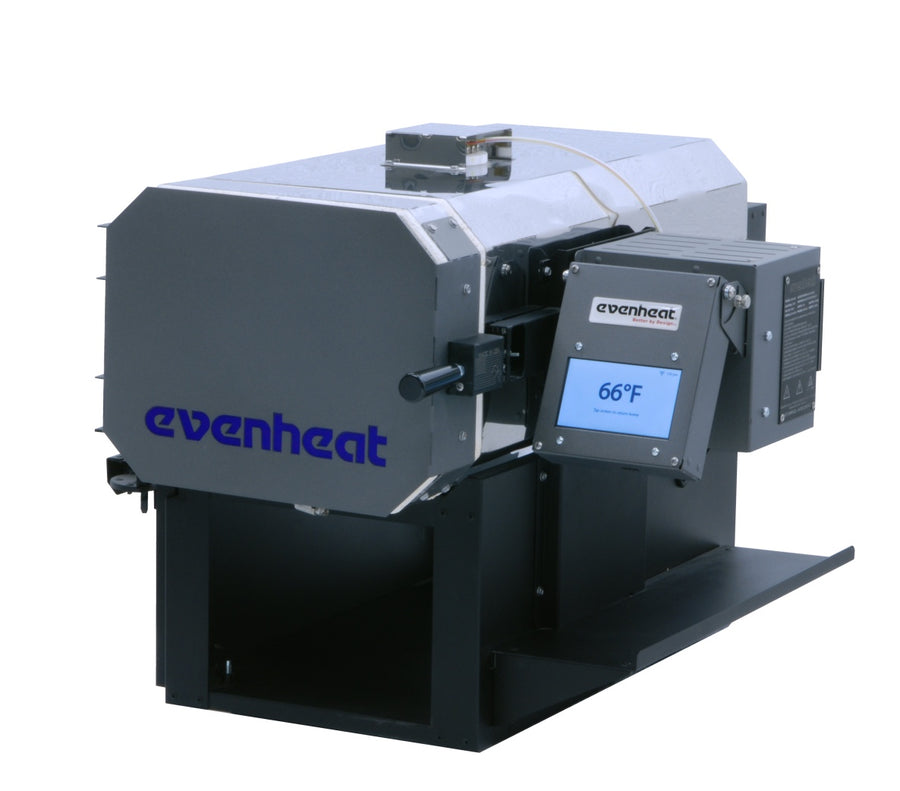
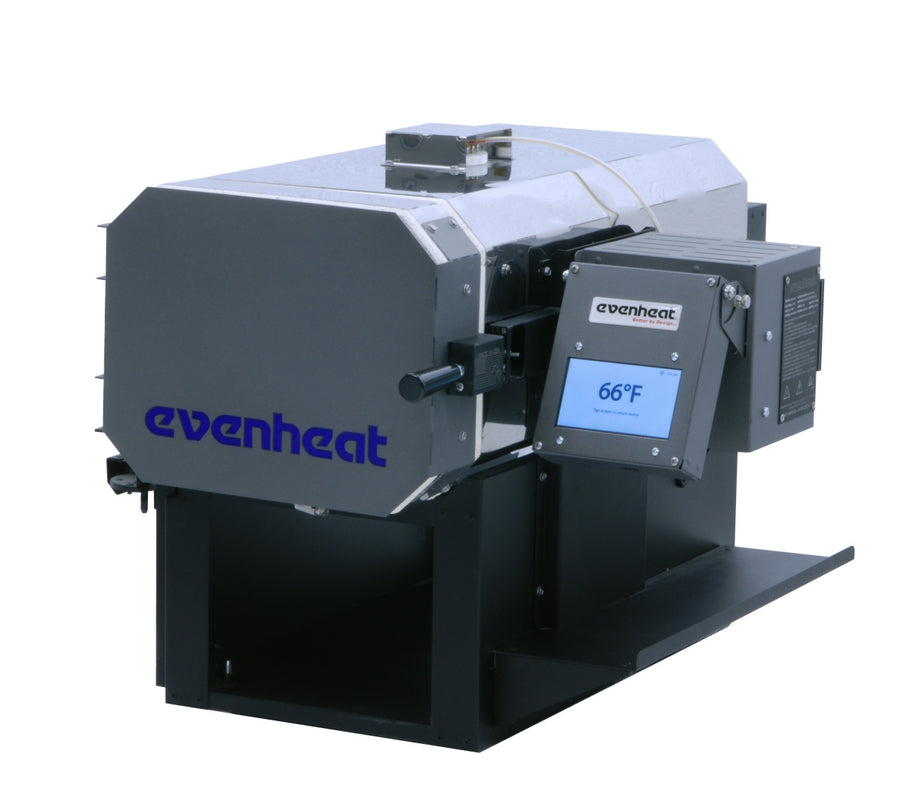
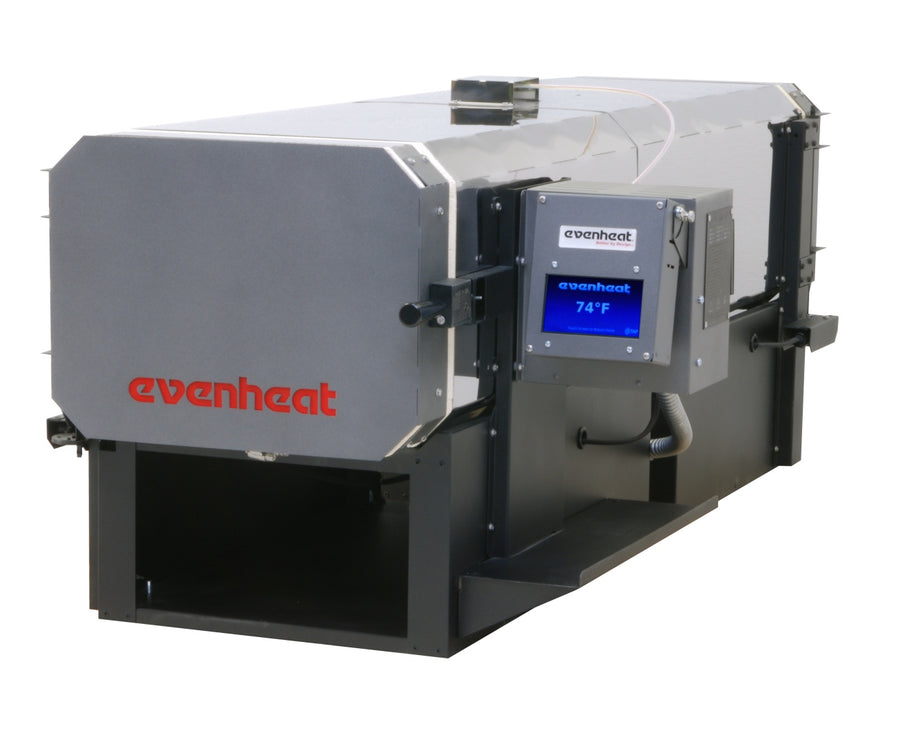
    Evenheat is a U.S. manufacturer of kilns and ovens for ceramics, glass fusing, knifemaking and heat treating, enameling, and jewelry. This collection carries their lineup so you can match a model to your specific craft and temperature needs.

    Which Evenheat kiln is best for knife making?

    Evenheat offers dedicated knife and heat treat ovens built to hold the precise temperatures needed for hardening and tempering blade steel. Match the chamber length to your longest blade and confirm the temperature rating suits the steel you work with.

    Is there an Evenheat kiln for sale for glass fusing?

    Yes. Evenheat builds glass kilns suited to fusing and slumping, with controllers for the ramp and hold schedules glass requires. Check the interior dimensions and elements to be sure the model fits your glass projects.

    Can I buy a used Evenheat kiln?

    Shoppers often search for used Evenheat kilns, but buying new gives you the current warranty, fresh elements, and the latest controller. New units in this collection cover ceramics, glass, and heat treating across a range of sizes and budgets.

    What is the difference between Evenheat ceramic and heat treat kilns?

    Evenheat ceramic kilns are designed for firing clay and glass, while their heat treat ovens are built for steel work with controllers tuned for hardening and tempering ramps. Choose by your application, then confirm the temperature range and chamber size.

    Frequently Asked Questions for Evenheat LB Series
    What is the Evenheat LB series kiln?

    The Evenheat LB series is a line of front-loading heat treat ovens designed for knifemakers and bladesmiths. The chamber and controller are built to reach and hold the precise temperatures needed for hardening and tempering steel.

    What is the Evenheat LB series used for?

    The LB series is built primarily for heat treating knife and blade steel, with a front-opening design that makes loading long blades easy. Its even temperature control supports consistent hardness across the full length of the workpiece.

    What sizes does the Evenheat LB series come in?

    The LB series is offered in several chamber lengths to fit different blade sizes. Compare the interior dimensions on each model to your longest blade, leaving clearance, so the piece heats evenly without touching the elements.

    Does the Evenheat LB series include a programmable controller?

    Evenheat LB ovens are typically fitted with a digital controller that lets you program ramp rates, soak temperatures, and hold times for repeatable heat treat schedules. Check the individual product page to confirm the controller included with each model.

    What voltage does an Evenheat LB series oven require?

    LB series models come in different voltage and amperage configurations depending on chamber size, with larger units needing a dedicated higher-amp circuit. Confirm the electrical requirement on the product page and make sure your outlet can support it before ordering.

    Frequently Asked Questions for Exposure & Wash Out Kits
    What is an exposure and wash out kit used for?

    An exposure and wash out kit develops photoresist film for sandblasting. The exposure unit hardens your design under UV light through a film positive, then the washout sprayer rinses away the unexposed film, leaving a finished stencil ready to etch glass or crystal.

    What is a Letralite exposure unit?

    A Letralite is a compact UV exposure unit that develops photoresist film quickly, often in around 20 seconds. It wraps the film and positive around a UV bulb for even exposure, making it a popular choice for sandcarving shops and hobbyists developing their own stencils.

    Why do I need a pressurized washout sprayer instead of a regular sprayer?

    Washing out photoresist film requires a steady, pressurized fan spray to clear the unexposed areas cleanly. A standard kitchen or garden sprayer usually lacks the pressure, which can leave residue or damage fine detail. A dedicated washout unit gives consistent, repeatable results.

    What do I need to expose and develop photoresist film?

    You need a UV exposure unit such as a Letralite, a printed film positive of your design, and a pressurized washout sprayer or station. Together these develop the film into a sandblasting stencil. An exposure and wash out kit bundles these essentials so you can start sandcarving.

    Is the same exposure and washout setup used for all photoresist films?

    Most Rayzist self-stick photoresist films, including SR3000, develop with a UV light source and a pressurized washout, so one exposure and wash out kit works across the range. Always follow the exposure time recommended for your specific film and light source for best results.

    Frequently Asked Questions for Fiber Front Loader
    What is a fiber front loader kiln?

    A fiber front loader is a kiln with a ceramic fiber chamber and a front-opening door, so you load and unload through the front instead of the top. The fiber lining heats quickly and the front access makes loading shelves and tall pieces easier.

    What are the advantages of a front loading kiln?

    Front loaders let you slide shelves in and out at a comfortable height and load taller or heavier work without lifting it over a top edge. Paired with a fiber chamber, you also get fast heat-up and efficient firing.

    Is a front loader better than a top loader kiln?

    It depends on your work. Front loaders make shelf loading and large pieces easier and reduce bending. Top loaders are often more compact and lower cost. Choose based on the size of your work, your space, and how often you load.

    What can I fire in a fiber front loader kiln?

    Depending on the model's temperature range, a fiber front loader can handle ceramics, glass, heat treating, and other high temperature work. Check the listed maximum temperature and interior dimensions to confirm the kiln fits your projects.

    How much space does a front loading fiber kiln need?

    Front loaders need clearance in front for the swinging door plus room to stand and load safely, along with adequate ventilation. Check the exterior dimensions and door swing on the product page, then add working space around the unit.

    Frequently Asked Questions for Fiber Hot Shot Kilns
    What is a fiber Hot Shot kiln?

    A fiber Hot Shot kiln uses a ceramic fiber chamber instead of dense firebrick. The lightweight fiber heats up and cools down faster and stores less heat, which makes these units efficient for heat treating, glass, and quick firing cycles.

    Is the Hot Shot 2800 Pro a fiber kiln?

    Hot Shot Pro series units in this collection use ceramic fiber insulation for fast heat-up and high working temperatures. Check the individual product page for the model's exact maximum temperature rating and chamber size before ordering.

    What is the advantage of a fiber kiln over a brick kiln?

    Fiber kilns weigh less, reach temperature faster, and use less energy per firing because the chamber holds little residual heat. The tradeoff is that the soft fiber lining is more fragile than firebrick, so it needs gentle handling and care when loading.

    Can a fiber Hot Shot kiln be used for heat treating?

    Yes. Fiber Hot Shot units reach the high, controlled temperatures needed for hardening and tempering steel, and the fast fiber heat-up shortens cycle times. Confirm the model's temperature ceiling matches the steel you plan to treat.

    How long does a fiber kiln last?

    With careful use, the ceramic fiber chamber and heating elements can last for years of regular firing. The fiber lining is the most delicate part, so avoid scraping it and follow the manufacturer's loading and maintenance guidance to extend its life.

    Frequently Asked Questions for Fiber Kilns
    What is a fiber kiln?

    A fiber kiln is built with a ceramic fiber chamber rather than firebrick. The fiber insulation is lightweight, heats quickly, and stores little heat, making these kilns energy efficient and well suited to fast firing, glass work, and high temperature applications.

    Are fiber kilns good for high temperature work?

    Yes. Ceramic fiber kilns are designed to reach and sustain high temperatures efficiently, which is why they are popular for heat treating and demanding firing schedules. Always check the listed maximum temperature on each model to confirm it meets your needs.

    What is the difference between a fiber kiln and a brick kiln?

    Fiber kilns use soft ceramic fiber that heats and cools fast and weighs far less than dense firebrick. Brick kilns hold heat longer and resist physical wear better. Fiber is ideal for speed and efficiency; brick suits long, heavy production firing.

    Can I use a fiber kiln for glass fusing?

    Many fiber kilns work well for glass fusing and slumping because they ramp and cool quickly, which helps with controlled glass schedules. Confirm the chamber dimensions and temperature range fit your glass projects before purchasing.

    Is ceramic fiber in a kiln safe to handle?

    Ceramic fiber and fiber paper can release fine particles, so wear a respirator, gloves, and eye protection when handling or replacing it, and follow the manufacturer's safety guidance. The fiber itself performs safely during normal firing inside a sealed chamber.

    Frequently Asked Questions for Flat Lap Accessories
    What accessories do I need for a flat lap machine?

    Common flat lap accessories include diamond grinding discs in stepped grits, polishing pads, magnetic or adhesive backing plates, water-feed and drip kits, and replacement laps. The right set depends on whether you are grinding, smoothing, or doing a final polish.

    What grit flat lap discs should I buy?

    Build a progression: a coarse disc around 60 to 100 for shaping, medium grits 220 to 600 to remove scratches, then fine 1200 to 3000 for polish. Each grit removes the prior one's marks, so a stepped set gives a clean, haze-free finish.

    Do flat lap discs use magnetic backing?

    Many do. A magnetic or rubberized backing plate lets you swap diamond discs quickly on the metal head of your grinder without adhesive. Confirm the disc and your machine head are compatible in size and backing type before ordering.

    Are flat lap accessories universal across machines?

    Not always. Disc diameter and arbor or backing style must match your specific flat lap, since 6 inch, 8 inch, and larger heads differ. Check your machine's head size and mounting before buying discs or backing plates to be sure they fit.

    How long do flat lap diamond discs last?

    Lifespan depends on use, material, and water cooling. Diamond discs wear gradually and cut slower as they age, especially without consistent water. Coarser discs tend to wear faster under heavy shaping. Keep them flushed with water and replace when cutting speed drops.

    Frequently Asked Questions for Forges & Anvils (Atlas Knife Tool)
    What makes an Atlas Knife and Tool forge good for knife making?

    Atlas Knife and Tool builds forges specifically for bladesmiths, with chamber sizes and burner layouts tuned for heating blade stock evenly. That focus on knifemaking is why the Atlas forge is a popular pick for both beginners and working knife makers.

    What size forge is best for making knives?

    Most knife makers do well with a small forge that heats fast and runs efficiently on a single burner, since blades fit easily in a compact chamber. Step up to a larger or multi-burner forge only if you work long blades, damascus billets, or heavier stock.

    Do I need an anvil for knife making, and what kind?

    Yes, you need a solid anvil to forge and straighten blades. A knife maker's anvil does not have to be huge; a well-supported anvil with a flat, hardened face and enough mass to return energy to the hammer is what matters most for clean blade work.

    What is the difference between a forge and a kiln?

    A forge concentrates intense heat to bring a small area of metal to forging temperature for hammering and shaping. A kiln heats a larger chamber more evenly for firing or heat treating. For making knives, you forge the blade in a forge, then often heat treat it separately.

    Is a propane forge or a kiln-style forge better for bladesmithing?

    A propane forge is the standard choice for bladesmithing because it heats quickly, runs on portable fuel, and reaches forging temperature for shaping steel. The Atlas forges in this collection are propane units sized for everything from small knife work to larger bladesmithing projects.

    Frequently Asked Questions for Gas Fired Kilns
    What is a gas fired kiln used for?

    A gas fired kiln burns propane or natural gas to reach high firing temperatures, and it is favored for pottery and ceramics because it allows reduction firing. Reduction creates color and surface effects in glazes that electric kilns cannot easily produce.

    Can a gas kiln run on propane or natural gas?

    Both are common. Propane kilns are popular for outdoor and off-grid setups because the fuel is portable, while natural gas kilns connect to a building's gas line. Each kiln is configured for a specific fuel, so confirm the model matches your gas supply.

    Is there a small gas kiln for pottery?

    Yes. This collection includes small gas and propane pottery kilns suited to studios, classrooms, and home potters with limited space. Compare interior volume to the size and quantity of work you fire so the kiln matches your output.

    How much does a gas kiln cost?

    Gas kiln prices vary widely by chamber size, build quality, and burner system, from compact studio models to large production kilns. Check each product page for current pricing, and factor in burners, a regulator, and venting when budgeting.

    Do gas fired kilns need special ventilation?

    Yes. Gas kilns produce combustion byproducts and need proper ventilation, clearance from combustibles, and often outdoor or well-vented installation. Follow the manufacturer's installation requirements and any local codes before firing.

    Frequently Asked Questions for Glass Casting Kilns
    What is glass casting and what equipment do you need?

    Glass casting melts glass into a mold inside a kiln to create solid, sculptural, or three-dimensional pieces. At minimum you need a kiln with good temperature control, a heat-resistant mold, and compatible casting glass. Larger or thicker casts require longer, carefully controlled annealing.

    What kind of kiln do you need for glass casting?

    Glass casting needs a kiln that holds precise temperatures and runs long programmed schedules, since thick casts must heat and cool slowly. Look for accurate controllers and enough chamber height for your mold. Many casters use front- or top-loading kilns sized to their largest pieces.

    What molds are used for kiln casting glass?

    Kiln casting uses heat-resistant molds, commonly investment plaster and silica mixes for lost-wax casting, or reusable molds rated for kiln temperatures. The mold must withstand the full firing cycle without breaking down. Browse casting supplies and mold materials suited to your method.

    Can you melt and cast glass in a kiln at home?

    Yes. With the right kiln, mold, and casting glass, you can cast glass at home. Success depends on a controlled melt and a slow, accurate annealing cycle to prevent cracking, especially on thicker pieces. Start small while you learn temperature and timing.

    What supplies do you need for glass casting?

    Beyond a kiln, glass casting calls for casting-grade glass, mold materials such as investment or refractory molds, kiln wash or separators, and basic safety gear. The exact supplies depend on your technique. Browse the collection for casting glass, molds, and related kiln supplies.

    Frequently Asked Questions for Glass Fusing and Casting Kilns
    What is a glass kiln and what can it do?

    A glass kiln is an electric oven built to heat glass evenly for fusing, slumping, casting, and annealing. It holds precise temperatures and cooling schedules that a regular oven cannot, letting you melt, shape, and bond glass into finished art, jewelry, and functional pieces.

    How much does a glass kiln cost?

    Glass kiln prices range widely, from affordable tabletop fusing kilns to large studio and floor models that cost much more. Price depends on chamber size, voltage, and controller. Browse the collection for current pricing, since features like digital programmers raise the cost.

    Can you buy a used glass kiln, and where?

    Used glass kilns do come up for sale, though availability changes constantly. Check the current collection and listings for what is in stock near you. When buying used, confirm the elements, controller, and brick are in good condition, since those are the costliest parts to replace.

    What size glass kiln do I need for home fusing?

    For home fusing, many hobbyists start with a small to mid-size tabletop kiln that handles jewelry, dishes, and small panels. Match the interior and shelf dimensions to your largest project. If you plan big platters, choose a larger model so you are not limited later.

    What is the best kiln for melting and fusing glass?

    The best glass kiln depends on your work: tabletop fusing kilns suit jewelry and small pieces, while larger 240V kilns handle platters, deep casting, and melting. Look for accurate temperature control and a programmable controller so you can run reliable fusing and annealing cycles.

    Frequently Asked Questions for Glass Lapidary Jewelry: Cut, Grind & Polish
    What is a flat lap grinder used for in glass and lapidary work?

    A flat lap grinder spins a horizontal diamond disc to grind, smooth, and polish flat surfaces on glass, cabochons, and gemstones. It is the core machine for finishing fused glass edges and putting a polished face on stone. Stepped grits take you from coarse shaping to a final shine.

    What is the difference between a lap wheel and a lapidary grinder?

    A lap wheel is a flat horizontal disc you grind down onto, ideal for flat surfaces and glass faces. A lapidary grinder usually spins vertical wheels for shaping curved cabochons. Many artists own both; the lap handles flats and the grinder handles contours.

    What grit lapidary wheels do I need to polish glass?

    Polishing runs through a grit progression: coarse around 60 to 100 for shaping, medium 220 to 360 to remove scratches, then fine 600 up to 3000 for the shine. Each step removes the previous step's marks, so do not skip grits or the haze stays.

    Can I buy a used flat lap machine for glass?

    Used flat lap machines can be a solid value, but inspect the motor, bearings, and water feed, and budget for fresh diamond discs since worn laps cut slowly. New machines include a warranty and current discs. We carry both machines and replacement laps.

    What machine grinds and polishes glass edges?

    A glass lapping or grinding machine, typically a flat lap or a glass sander with diamond discs and water, grinds and polishes edges in one setup. Choose disc size for your piece dimensions and a grit range that covers shaping through final polish.

    Frequently Asked Questions for Glass & Lapidary Saws
    What is a lapidary trim saw used for?

    A lapidary trim saw uses a thin diamond blade and water or oil cooling to cut rocks, gemstones, and glass into slabs or workable pieces. Trim saws handle smaller, precise cuts, while slab saws tackle larger rough. Blade size determines the maximum cut depth.

    What size lapidary saw do I need?

    Saw size refers to blade diameter, which sets how thick a stone you can cut. A 4 to 6 inch trim saw suits small gems and cabbing prep, while 10 inch and larger saws cut bigger slabs. Pick a size based on your typical rough.

    What is the best lapidary saw for a beginner?

    A compact trim saw in the 6 to 8 inch range is the usual starting point: it cuts most hobby rough, uses less coolant, and costs less than a slab saw. Trusted lapidary brands hold value well, so buy quality over the cheapest option.

    Can a lapidary saw cut glass?

    Yes. Diamond-blade lapidary and glass saws cut both stone and glass, since the blade abrades rather than tooth-cuts. Use the correct blade and steady water cooling to avoid chipping. For art glass, a dedicated glass saw or ring saw gives cleaner curved cuts.

    Do lapidary saws use water or oil to cut?

    Both are used. Water cooling is cleaner and common for trim saws, while oil reduces heat and rust on larger slab saws and extends blade life. Always cut with the recommended coolant, since dry cutting ruins diamond blades and overheats the stone.

    Frequently Asked Questions for Grinder Parts: Belts & Discs
    What grinder belts and discs do you carry?

    We stock replacement belts and discs for belt grinders and sanders, including 2x72 and other common sizes in ceramic, zirconia, and aluminum oxide, plus diamond and metal-bond discs. Match the belt size and grit to your grinder and the material you are working.

    What grit sanding belts do I need for knife making?

    Work through a progression: coarse 36 to 60 grit for profiling and heavy stock removal, 120 to 240 for shaping bevels, then finer 400 and up for finishing. Ceramic belts excel at aggressive removal, while finer belts refine the surface before polishing.

    Are 2x72 belts universal across grinders?

    Yes. Any 2x72 belt fits any 2x72 grinder, including AmeriBrade, KMG, Brodbeck, and similar machines, since the size is standardized. Just match the grit and abrasive type to your job. Always confirm your grinder's belt size before ordering.

    What is the difference between ceramic, zirconia, and aluminum oxide belts?

    Ceramic belts cut fastest and are self-sharpening, ideal for heavy steel stock removal. Zirconia is a tough mid-range option for general grinding. Aluminum oxide is the most affordable and suits lighter work and finishing. Choose by material and how aggressive the cut needs to be.

    When should I replace a grinder belt or disc?

    Replace a belt or disc when it stops cutting efficiently, glazes over, or starts burning the workpiece instead of removing material. A dull abrasive generates heat and slows you down. Keeping fresh belts on hand protects your work and keeps grinding fast and clean.

    Frequently Asked Questions for Heat Treat Kilns
    What is a heat treat oven used for?

    A heat treat oven brings steel to precise temperatures to harden, normalize, or temper it, which is essential in knife making and bladesmithing. Unlike a forge, a heat treat oven holds an exact, programmable temperature so blades reach the correct hardness consistently.

    What is the best heat treat oven for knife making?

    The best knife heat treat oven holds tight temperature accuracy, reaches at least 2000°F to 2350°F for common blade steels, and has an interior long enough for your blades. A programmable controller for ramp and soak stages matters more than raw size for clean, repeatable results.

    What is the difference between a heat treat oven and a tempering oven?

    A heat treat oven reaches high hardening temperatures, often above 2000°F, while tempering happens at much lower temperatures, typically 300°F to 600°F, to reduce brittleness after quenching. Many makers use one accurate oven for hardening and a separate lower-range oven or unit for tempering.

    Can a heat treat oven temper swords and long blades?

    Yes, if the chamber is long enough. Tempering ovens for swords need an interior that fits the full blade length without bending it. Check the listed interior dimensions against your longest work before buying, since sword-length capacity is the main constraint.

    What size heat treat oven do I need for knives?

    Match the interior length to your longest blade plus clearance. A small heat treat oven suits most hunting and kitchen knives, while bladesmiths making swords or batches need a longer chamber. Buying for your typical blade size keeps heat-up time and running cost reasonable.

    Frequently Asked Questions for Heat Treating Accessories
    What accessories do I need for a heat treat oven?

    Common heat treating accessories include heat-resistant tongs, a quench tank, stainless foil for protecting blades from scale, replacement thermocouples, and protective gloves and eyewear. The right supplies make firing safer and help you get clean, repeatable hardening results.

    What tongs do I need for heat treating knives?

    Use long heat treating tongs made from low-carbon steel, which stay strong and will not become brittle when exposed to quench liquids. They let you move a red-hot blade from the oven to the quench safely. Pick a length that keeps your hands clear of the heat.

    Do I need a replacement thermocouple for my kiln?

    Thermocouples wear out over time and drift, which throws off your temperature readings. Keeping a spare thermocouple compatible with your controller means you can restore accuracy fast. Larger ovens may use more than one to monitor temperature uniformity across the chamber.

    Where can I buy heat treat supplies?

    You can buy heat treating supplies and oven accessories from a specialist kiln retailer that ships nationwide. Shopping by what fits your oven model and your process, such as foil, tongs, and trays, matters more than price alone. Browse our heat treating accessories collection.

    What is anti-scale foil used for in heat treating?

    Stainless steel anti-scale foil wraps a blade before hardening to limit oxidation and decarburization at high temperature. It helps the steel come out cleaner with less surface scale, reducing post-heat-treat grinding. Match the foil rating to your target hardening temperature.

    Frequently Asked Questions for Hot Shot Oven & Kiln
    What is a Hot Shot oven and kiln used for?

    Hot Shot ovens are compact heat treat units built for knifemaking, bladesmithing, and small batch metal heat treating. They hold accurate, even temperatures for hardening and tempering steel, and many models also work for small ceramic, glass, and enameling projects.

    Is there a Hot Shot kiln for sale that fits knifemaking?

    Yes. This collection lists Hot Shot kilns and heat treat ovens sized for knife and blade work, from benchtop units to larger chambers. Compare the interior dimensions to your longest blade so the piece fits with room to spare before you buy.

    What is the difference between a Hot Shot oven and a kiln?

    The terms overlap. Hot Shot units are marketed as both an oven and a kiln because they reach the high, controlled temperatures used for heat treating steel as well as firing clay, glass, and metal clay. The right model depends on your target temperature and chamber size.

    Can a Hot Shot oven heat treat steel for knives?

    Yes. Hot Shot heat treat ovens are designed to reach and hold the precise temperatures needed to harden and temper knife steels. A digital controller helps you ramp to soak temperature and hold it steady, which is critical for consistent hardness.

    What voltage does a Hot Shot kiln need?

    Hot Shot models come in different voltage and amperage configurations, with smaller units running on standard household circuits and larger ones needing a dedicated higher-amp outlet. Check each product page for the exact electrical requirement and confirm your outlet can support it before ordering.

    Frequently Asked Questions for Industrial Kilns & Ovens
    What is an industrial kiln used for?

    Industrial kilns and ovens are large, high capacity units built for production firing, heat treating, drying, and high temperature processing. They serve ceramics manufacturers, metal shops, labs, and other operations that need volume and sustained high heat.

    Where can I find an industrial kiln for sale?

    This collection lists industrial and commercial kilns and ovens from established manufacturers. Compare chamber size, maximum temperature, and electrical or fuel requirements against your process, and contact the team for guidance on larger or custom configurations.

    What is the difference between a commercial and an industrial kiln?

    The terms overlap, but commercial kilns typically serve studios, schools, and small production, while industrial kilns are larger units engineered for continuous, high volume, or specialized manufacturing. Both prioritize durability and consistent high temperature performance.

    Do you offer industrial ceramic kilns?

    Yes. The collection includes industrial ceramic kilns built for high temperature production firing of clay and ceramic ware. Check each model's interior dimensions and temperature rating to match your throughput and the cone you fire to.

    What power supply do industrial kilns require?

    Industrial kilns often need three-phase power or a dedicated high-amperage circuit, and gas-fired models need an appropriate fuel supply and venting. Confirm the electrical and installation specs on each product page and have a qualified electrician verify your facility can support it.

    Frequently Asked Questions for Jen-Ken Kilns
    What does Jen-Ken make kilns for?

    Jen-Ken builds American-made electric kilns for glass fusing, ceramics and pottery, PMC and metal clay, and knife heat treating. The lineup spans small tabletop models up to studio-sized production kilns, so you can match the kiln to your craft and firing volume.

    What is the Jen-Ken AF3C ceramic kiln?

    The AF3C is a popular front-loading ceramic kiln in the Jen-Ken Affordable line, sized for hobby and small-studio pottery firing. It uses a digital controller for repeatable cone firing. Check the listing for current voltage, chamber size, and price.

    Is the Jen-Ken Chili Pepper kiln good for glass?

    Yes. The Chili Pepper series is a compact Jen-Ken glass kiln built for fusing, slumping, and small jewelry projects, with top-firing elements for even heat. It is a common first kiln for glass artists working at home.

    Can you use a Jen-Ken glass kiln for ceramics too?

    Some Jen-Ken models fire both, but glass and ceramic kilns are optimized differently. Glass kilns favor top elements for even surface heat, while ceramic kilns reach higher cone temperatures with side elements. Confirm the rated cone and intended use on each model before buying.

    How much does a Jen-Ken kiln cost?

    Pricing depends on size, voltage, and controller. Small Jen-Ken glass and hobby kilns sit at the entry level, while larger ceramic and production models cost more. Each product page lists the current price, so compare models against your project size and power supply.

    Frequently Asked Questions for Kiln Accessories & Supplies
    What kiln accessories and firing supplies do I need to get started?

    A typical firing setup needs kiln furniture like shelves and posts, plus safety and handling tools such as tongs and heat-resistant gear. This collection gathers the kiln accessories and firing supplies that support everyday use across ceramic, glass, and metal kilns.

    What are kiln props used for?

    Kiln props, also called posts, support kiln shelves so you can stack multiple firing levels and create space between pieces. They let you make full use of the chamber while keeping shelves level and stable during firing.

    Why do I need kiln tongs?

    Kiln tongs let you place and remove hot ware safely, which matters most in glass work and any process that involves handling pieces at or near firing temperature. They keep your hands clear of the heat and reduce the risk of dropping or damaging work.

    Do you sell wax trays and other specialty kiln supplies?

    Yes. Alongside core firing accessories, this collection includes specialty items such as heat-resistant wax melting trays. If you need a specific supply for your process, browse the collection or reach out and we can point you to the right item.

    Where can I find kiln repair and replacement supplies?

    Maintenance items and replacement supplies are part of this accessories collection, covering common wear parts and consumables. For element or component repairs, check our kiln parts and components listings or contact us with your kiln model.

    Frequently Asked Questions for Kiln Parts, Supplies & Accessories
    What kiln parts and components can I replace myself?

    Common replaceable kiln parts include heating elements, element connectors and pins, relays, contactors, thermocouples, and door gaskets. This collection stocks these components so you can repair or upgrade a kiln instead of replacing the whole unit.

    How do I find the right replacement part for my kiln model?

    Match parts by your kiln brand, model, and voltage, since elements, relays, and connectors are model-specific. Check the labels on your kiln and the part you are replacing, and contact us with that information if you are unsure which component fits.

    What are kiln element connectors and pins used for?

    Element connectors join the kiln's heating element ends to the power wiring, and element pins hold the coiled elements in place in the brick grooves. Both are common wear items, so replacing worn connectors and pins helps keep firings even and safe.

    Do you carry the right relay or contactor for a 240V kiln?

    Yes. This collection includes relays and contactors used in electric kilns, including 240-volt coil and mechanical relay options. Confirm the coil voltage and amperage rating against your kiln's wiring before ordering so the contactor matches your circuit.

    Are heavy-duty and aluminum kiln parts available?

    Yes. Alongside standard components, this collection carries heavy-duty and aluminum kiln parts for higher-wear and structural applications. Browse by part type to find durable replacements suited to frequent firing.

    Frequently Asked Questions for Kiln Shelves
    What are kiln shelves made of?

    Most kiln shelves are made from cordierite-mullite, silicon carbide, or high-alumina materials. Cordierite-mullite is the common, budget-friendly option for ceramics, while silicon carbide and advancer-style shelves are thinner, stronger, and better for even heat in glass and high-fire work.

    Do I need kiln wash on my kiln shelves?

    Yes, for most ceramic and glass firing you should apply kiln wash to the top surface to stop glaze or glass from bonding to the shelf. Reapply when the coating chips or wears, and scrape off any drips before they fire onto the shelf permanently.

    Can I use the same kiln shelf for pottery and glass?

    You can, but it is better to keep separate shelves for each. Glaze contamination from pottery can flaw glass surfaces, and glass slumping needs a very flat shelf. A dedicated, washed or Thinfire-covered shelf gives the cleanest results for fusing.

    Where can I buy kiln shelves for sale?

    We stock kiln shelves for sale in a range of sizes, shapes, and materials for ceramics, glass, and heat treating. Filter by your kiln model or interior size to find a shelf that fits, and pair it with posts for stable stacking.

    What size kiln shelf should I order?

    Measure your kiln's interior and choose a shelf that leaves space around the edges for heat circulation. Round kilns usually take half-round or full-round shelves, while square and rectangular kilns take square shelves. Small kiln shelves suit test and tabletop kilns.

    Frequently Asked Questions for Kiln Stands
    Why do I need a kiln stand?

    A kiln stand raises the kiln off the floor to create airflow underneath, protect your flooring from heat, and bring the kiln to a comfortable loading height. Most manufacturers require a stand for proper ventilation and safe operation.

    Are kiln stands with wheels safe to move?

    A rolling kiln stand with locking casters lets you reposition the kiln for loading or cleaning, then lock it in place during firing. Always move the kiln only when it is cool and empty, and lock all casters before you fire.

    How do I choose the right kiln stand size?

    Match the stand to your kiln's footprint and weight so the base fully supports it. Check the model and dimensions of your kiln, then select a stand rated for that size. Many stands are built for specific brands like Skutt and Paragon.

    Can I use a kiln stand as a work table?

    A kiln stand is engineered to hold a hot, heavy kiln with proper clearance underneath, not as a general work surface. Searches for a kiln table usually mean a sturdy kiln base, so choose a stand rated for your kiln rather than a standard table.

    Do these kiln stands work for pottery kilns?

    Yes. We carry kiln stands for pottery kilns as well as glass and heat-treat models. Confirm the stand is sized and rated for your specific pottery kiln, since ceramic kilns can be heavy when fully loaded.

    Frequently Asked Questions for Kiln Supplies
    What kiln supplies do I need to start firing?

    Beyond the kiln itself, you typically need kiln furniture such as shelves and posts, kiln wash, firing tools, and safety gear. This kiln supplies collection brings together the materials and accessories that support ceramic, glass, and metal firing.

    What kiln supplies are specific to ceramics and pottery?

    Ceramic and pottery work commonly uses kiln shelves, posts, stilts, kiln wash, and cones to track temperature. These ceramic kiln supplies protect your shelves and ware and help you fire clay consistently.

    What kiln tools should every studio have?

    Useful kiln tools include cones and cone holders, kiln wash and brushes, element and shelf maintenance items, and handling gear like tongs. Keeping the basics on hand makes loading, firing, and upkeep smoother across firings.

    Do you sell kilns as well as kiln supplies?

    Yes. Kiln Frog carries pottery, glass, and metal kilns in addition to the supplies in this collection, so you can outfit a complete setup. If you are choosing a kiln for pottery, ceramics, or glass, browse our kiln collections or reach out for guidance.

    What kiln lining and material supplies do you carry?

    This collection includes kiln materials such as refractory and lining-related supplies used for maintenance and repair. Lining needs vary by kiln type, so check the product details or contact us with your kiln model to match the right material.

    Frequently Asked Questions for Large Kilns
    What counts as a large kiln for pottery?

    A large kiln in this collection has an interior roughly 17 to 24 inches wide and deep, giving you room for tall vases, big platters, and multi-shelf production loads. These are studio and small-business kilns built for higher volume than home-size models.

    How much does a large pottery kiln cost?

    Large 17 to 24 inch kilns cost more than small or medium models because of their bigger chambers, heavier elements, and higher power draw. Price depends on cone rating, controller, and brand, so compare current listings in this collection for accurate figures.

    Do you have large electric kilns for sale for commercial use?

    Yes. This collection includes large electric and commercial-grade kilns suited to studios, schools, and small production shops. They handle frequent firing cycles and larger loads, so look for a high cone rating and a programmable controller for repeatable results.

    What electrical supply does a large kiln need?

    Large kilns almost always require a dedicated 240V circuit, and the bigger models may need 30 to 60 amps or more. Confirm the exact voltage and amperage on each listing and have an electrician verify your supply before installation.

    How big a kiln do I need for tall pottery pieces?

    Measure your tallest planned piece and add a few inches of clearance, then match that to the interior height of the kiln. A 17 to 24 inch large kiln fits most tall vases and sculptures that will not fit a medium kiln, while still being manageable for a studio.

    Frequently Asked Questions for Lathes
    What is a glass lathe used for?

    A glass lathe rotates tubing or rod so a glassworker can heat, shape, seal, and join it evenly along its length. Glassblowers and scientific glassworkers use lathes for precise, repeatable work that is hard to do by hand, from seams to large-diameter joins.

    Should I buy a new or used glass lathe?

    A used glass lathe can be a strong value if the bed, headstock, and tailstock are true and the burners function. New lathes give you full support and current features. Either way, check alignment and rotation accuracy, since those drive the quality of your seams and joins.

    What is a lapidary lathe and how is it different from a glass lathe?

    A lapidary lathe is built for grinding, polishing, and shaping stone and gem material, while a glass lathe heats and forms glass tubing. They serve different crafts, so choose based on whether you are working stone or glass.

    Do you carry used or hard-to-find glass machinery?

    Yes, this collection includes glass lathes and related glass machinery, including used equipment when available. Inventory changes, so check current listings or reach out if you are searching for a specific brand or model of glass forming machine.

    What size glass lathe do I need?

    Match the lathe to your largest planned diameter and length of tubing. Bench or seam lathes handle smaller scientific and artistic work, while heavier lathes accommodate larger-diameter glassblowing. Consider swing, working length, and burner capacity together.

    Frequently Asked Questions for Manual Kiln Controller Upgrade
    Can I convert a manual kiln to digital?

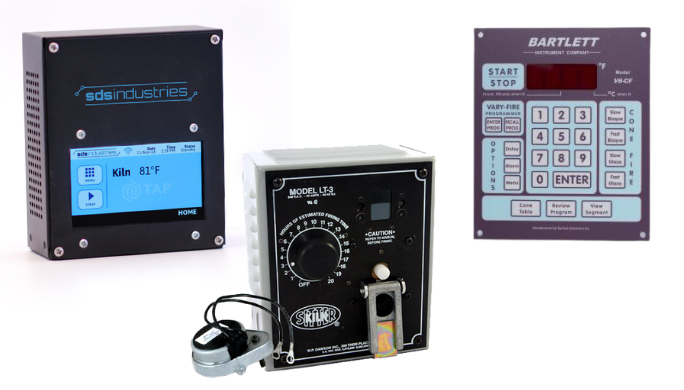
    Yes. A standalone digital kiln controller lets you convert a manual kiln to automatic, programmed firing without rewiring the elements. The controller plugs in line with your kiln and switches power on and off to follow your ramp-and-hold schedule.

    What is included in a digital kiln controller kit?

    A digital kiln controller kit typically includes the programmable controller, a thermocouple to read kiln temperature, and the wiring or wall-mount housing to connect it to your manual kiln. Check each kit's amperage and voltage rating against your kiln's specs.

    How does a standalone kiln controller work?

    A standalone kiln controller sits between your wall outlet and the kiln, reading temperature through a thermocouple and cycling power to hold your programmed schedule. It works with manual electric kilns and gives you automated ramp, soak, and cool steps.

    Will a wall mount kiln controller fit my kiln?

    A wall mount kiln controller works with most single-phase electric kilns as long as the controller's voltage and amperage rating match or exceed your kiln's draw. Confirm your kiln's plug type and power requirements before ordering so the controller is correctly sized.

    What is the best digital controller for a manual kiln?

    The best digital kiln controller is one rated for your kiln's voltage and amperage that offers the programming you need, such as multi-segment ramp-and-hold for glass or ceramics. We carry programmable kiln controllers for both small and full-size kilns.