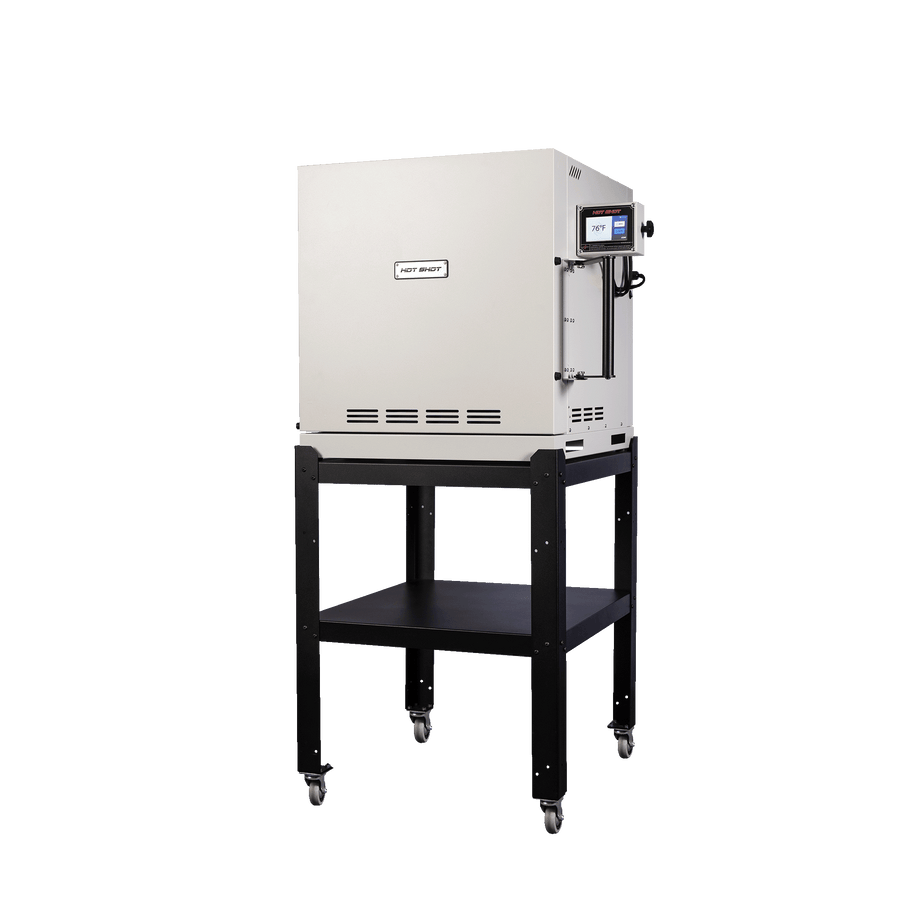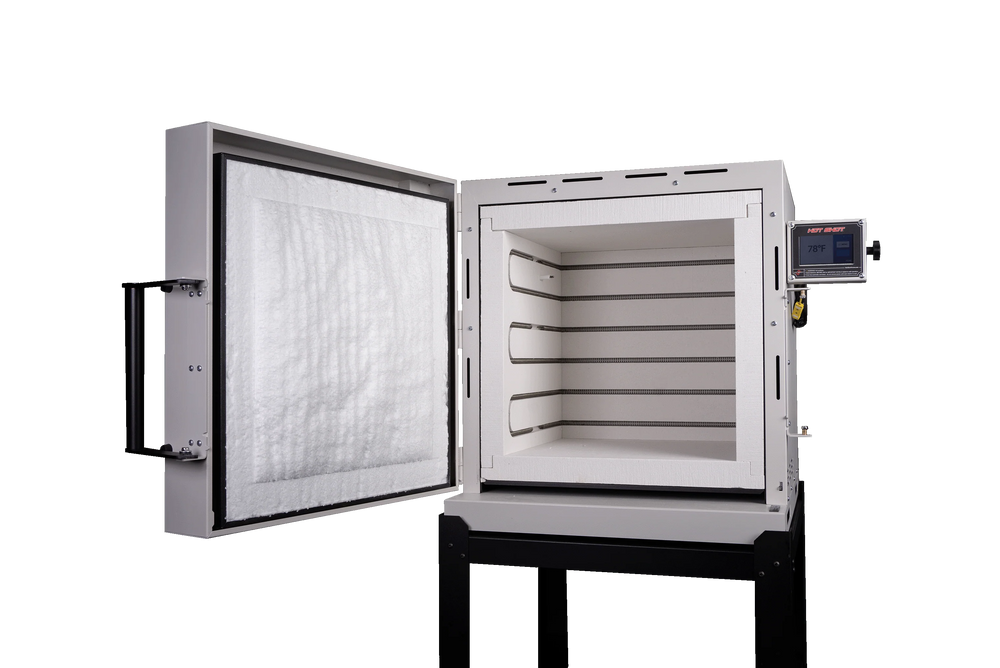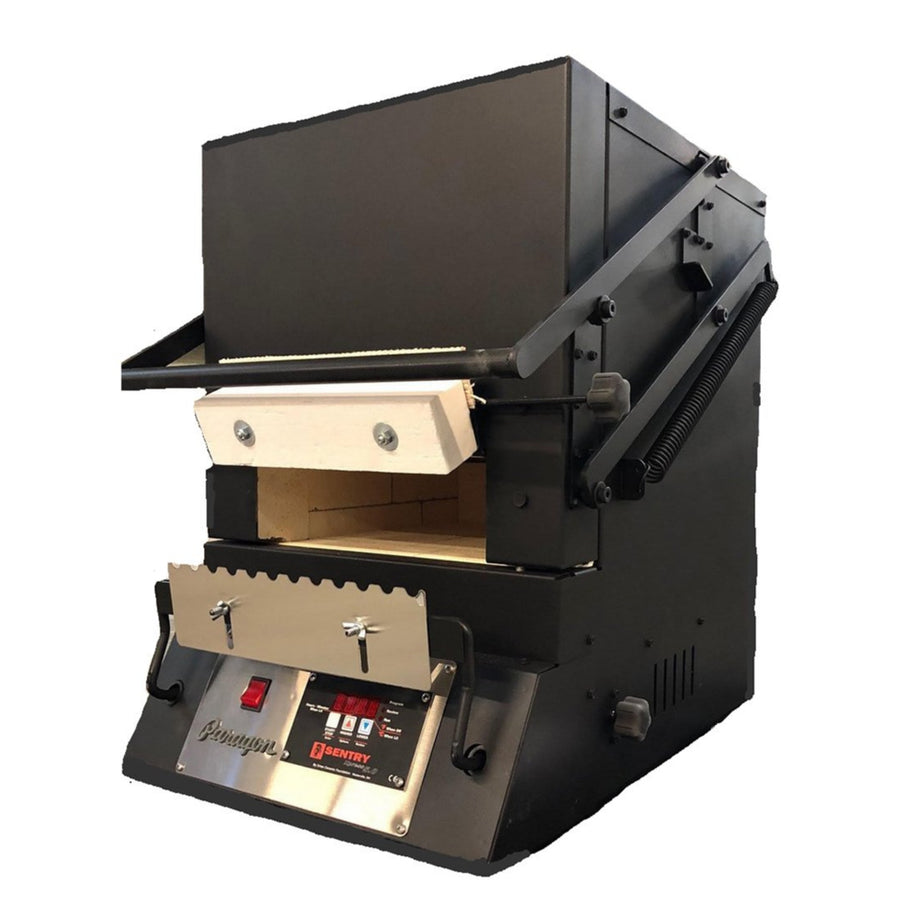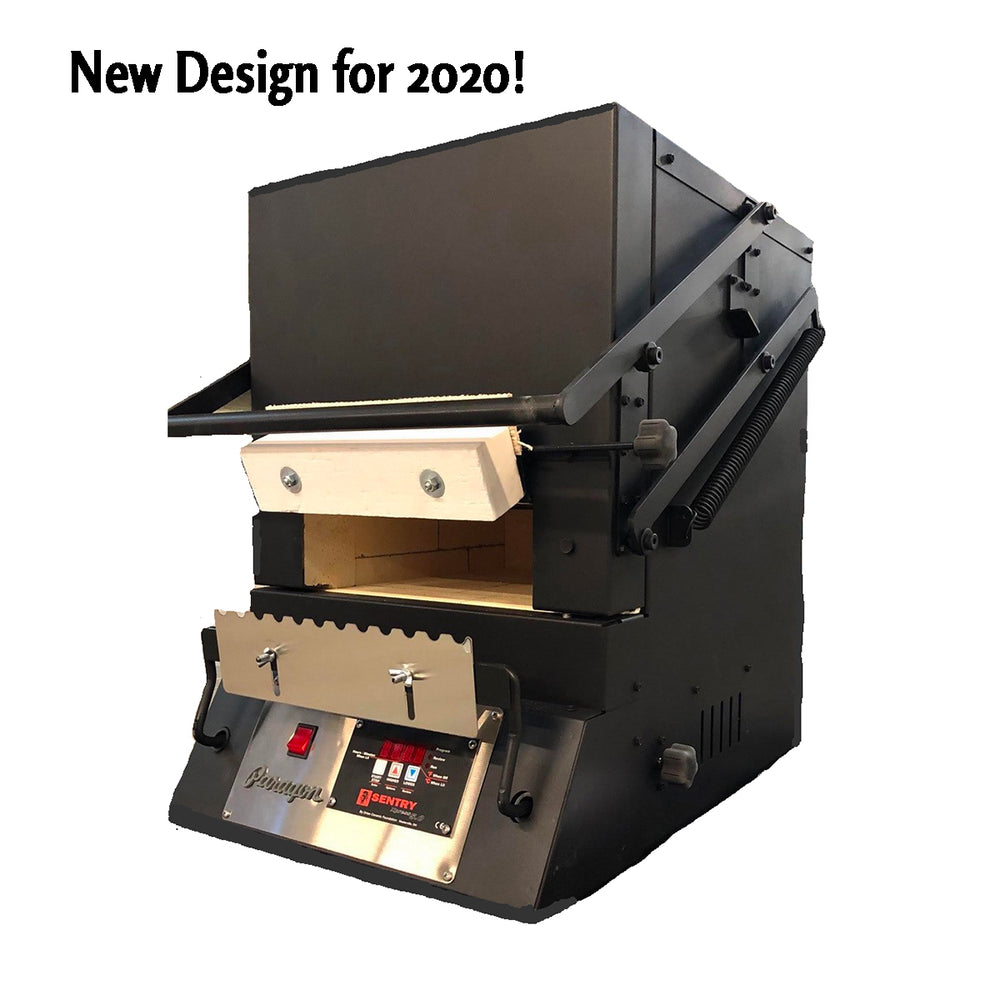




ANNEALING KILNS

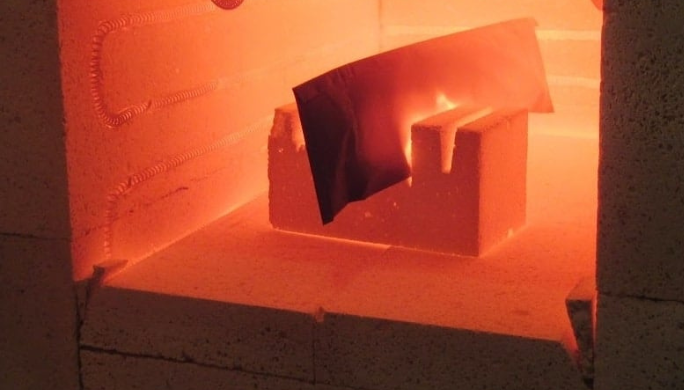
Annealing is the process of slow cooling heated glass through the annealing zone to prevent the presence of internal stress. The appropriate cooling curve varies with glass type and formed shape, especially thickness. This is done between the cooling of the glass from 1100°F down to 300°F. A proper glass annealing oven - or glass annealer - is critical in glassmaking and glass blowing, as glass that is allowed to cool too quickly will break as it cools, or it will be highly strained when it reaches room temperature and liable to be brittle and break easily. If glass is not properly annealed, it is likely to break during the cooling phase or at a later date. 

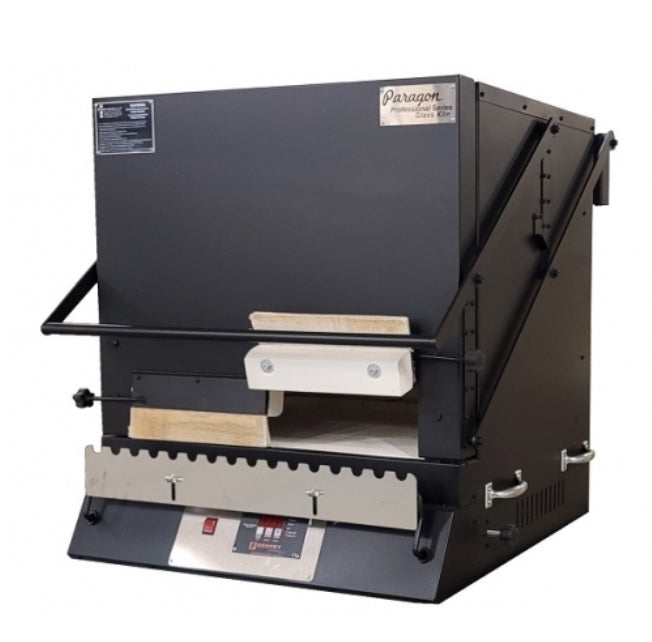
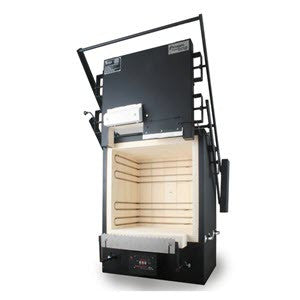
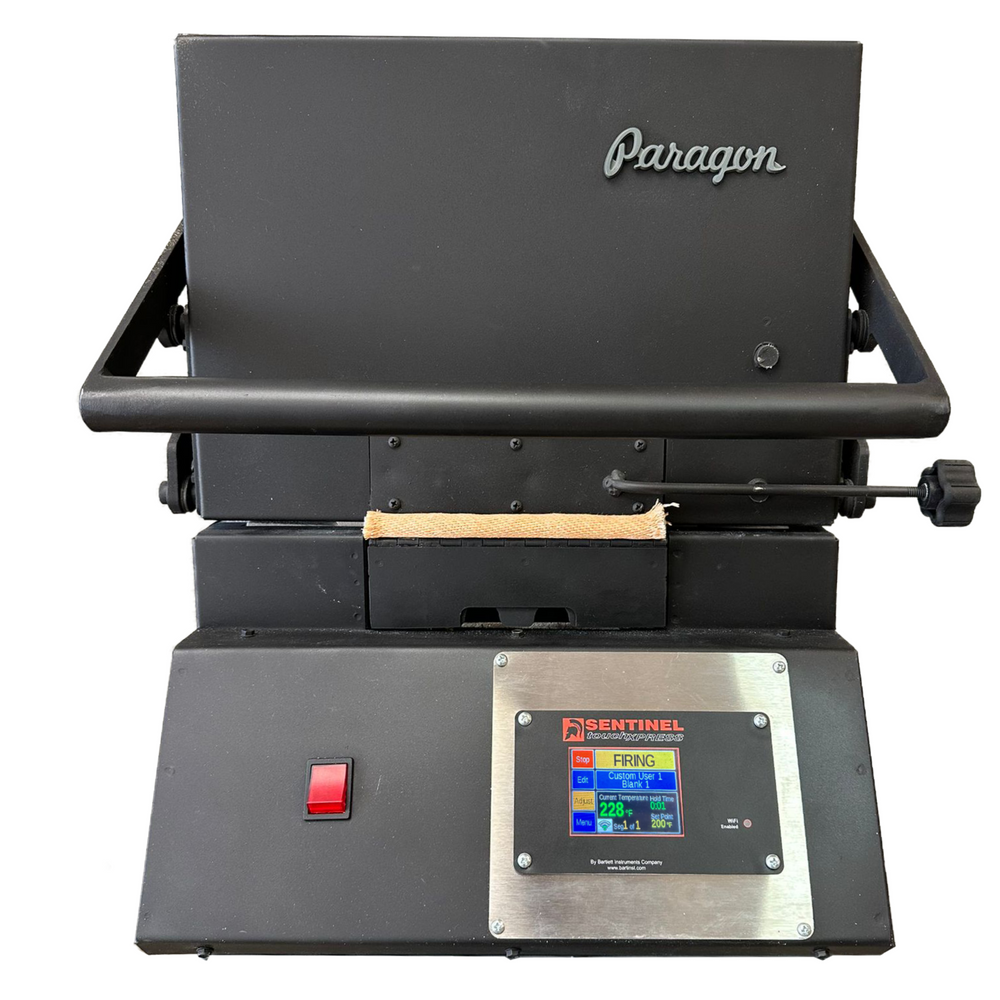
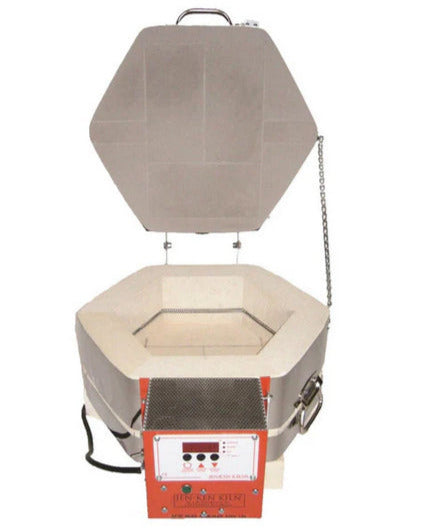
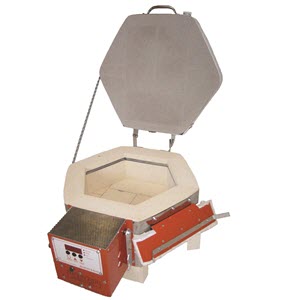
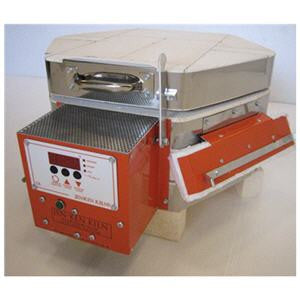
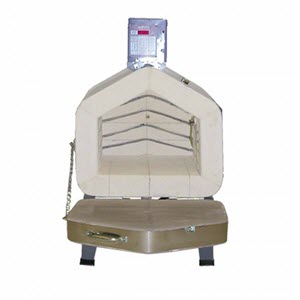
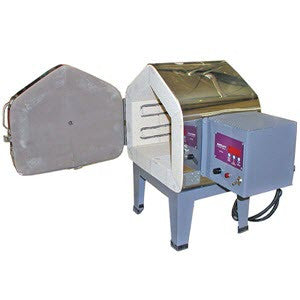
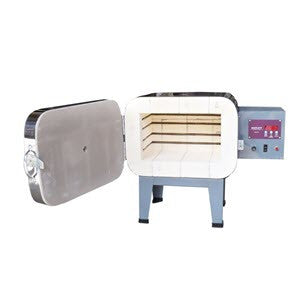
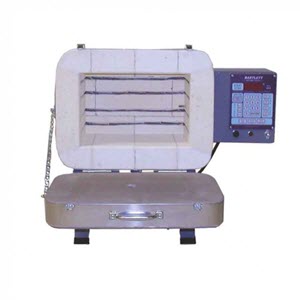
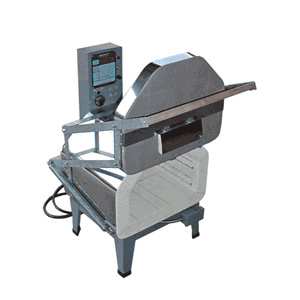
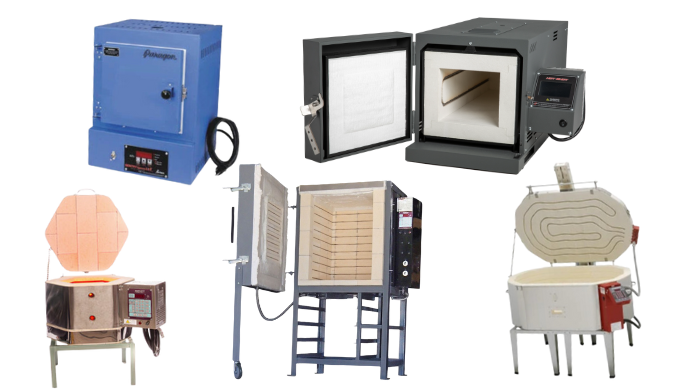
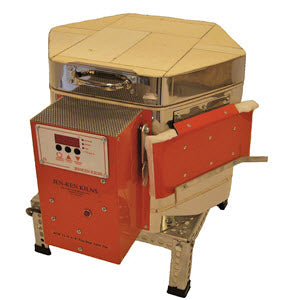
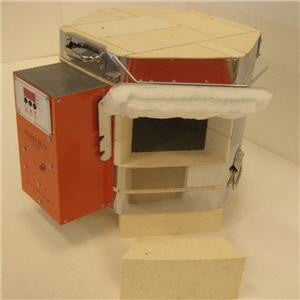
Our glass annealing kilns and ovens have convenient flap doors, including glass bead kilns for lampwork beads and easy-access guillotine doors to give you one-handed access to the inner chamber.
    Frequently Asked Questions

    Frequently Asked Questions for Annealing Kilns
    What is an annealing kiln and why is it needed?

    An annealing kiln slowly and evenly cools hot glass to relieve internal stress, preventing cracks and breakage later. After glassblowing, lampworking, or fusing, the piece must hold and cool through a controlled schedule. Without annealing, finished glass can shatter days or weeks afterward.
    What is the difference between an annealing oven and an annealing kiln?

    The terms are used interchangeably for glass. Both describe a controlled-temperature chamber that cools glass gradually to remove stress. Some makers call larger units annealing ovens or lehrs and smaller bench units annealing kilns, but the function, slow programmed cooling, is the same.

    Do I need an annealing kiln for lampwork beads?

    Yes, if you want durable beads. A bead annealing kiln holds the glass at a soak temperature and cools it slowly so the beads do not crack from thermal stress. Many lampworkers batch-anneal beads at the end of a session in a dedicated bead kiln.

    Can you anneal glass in a regular oven?

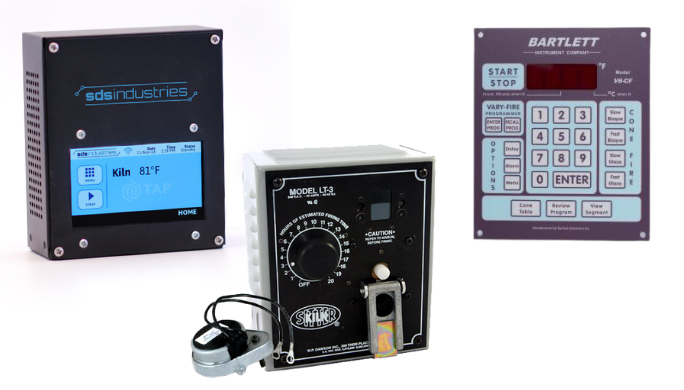
    No. A household oven cannot hold the precise soak temperature or run the slow, controlled cooling ramp that proper annealing requires, so the glass stays stressed and is likely to crack. A dedicated annealing kiln or oven with a programmable controller is needed for reliable results.

    What size annealing kiln do I need?

    Size depends on your work: bead makers need only a small chamber, while glassblowers handling vessels need a larger annealer. Choose interior dimensions that fit your biggest piece with room to spare. Browse the collection to compare chamber sizes and controller features.