



OLYMPIC KILNS

TURNAROUND TIMES 12-15 WEEKS AS OF 11/20/25. COMMERCIAL KILNS 14-16 WKS.

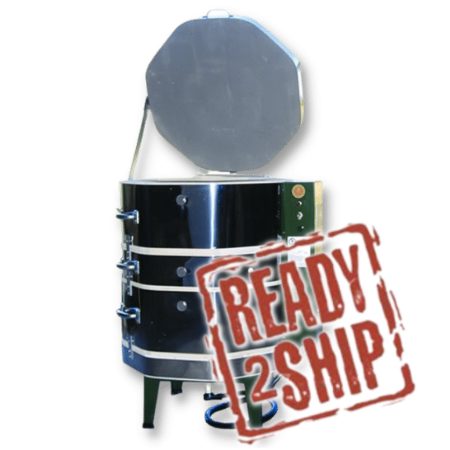
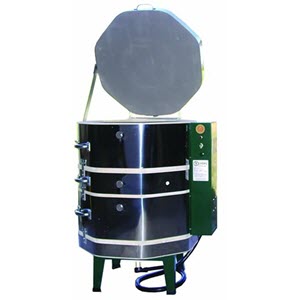
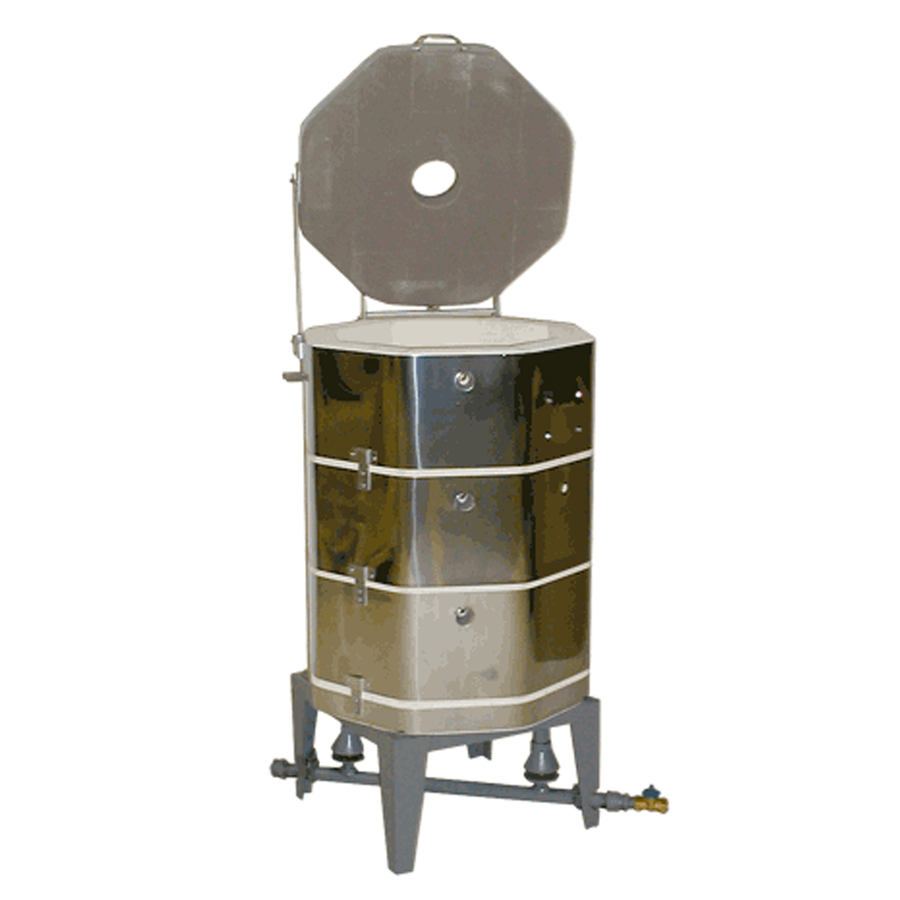
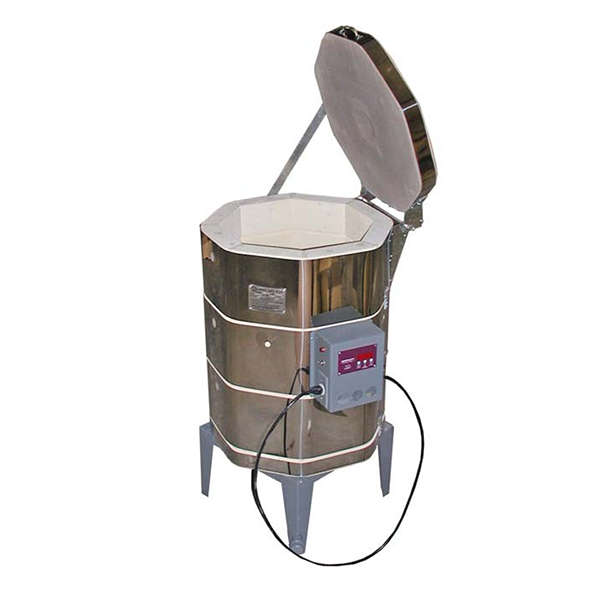
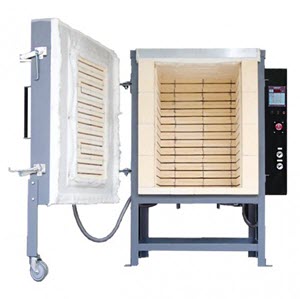
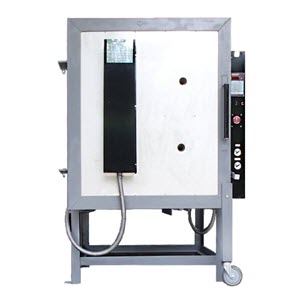
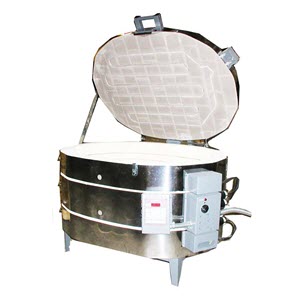
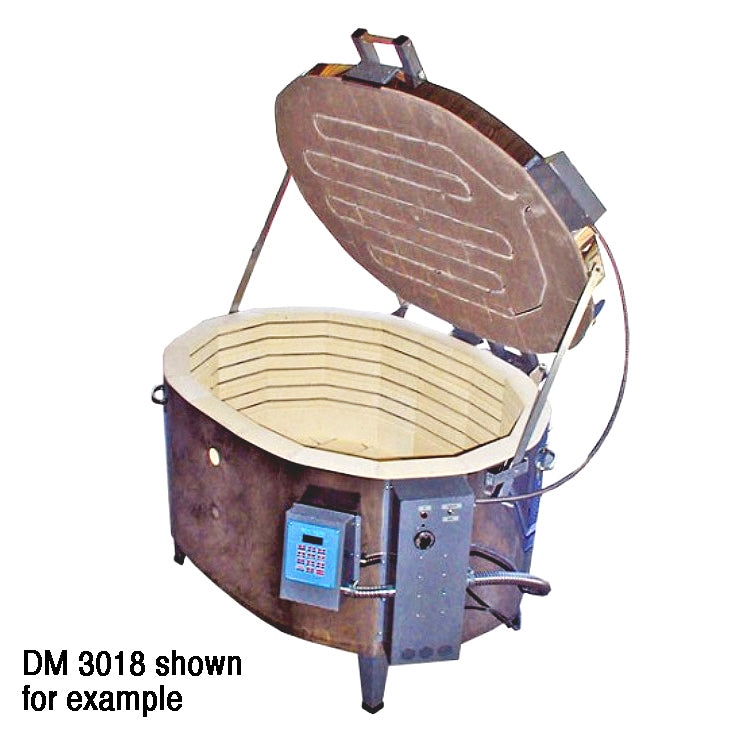
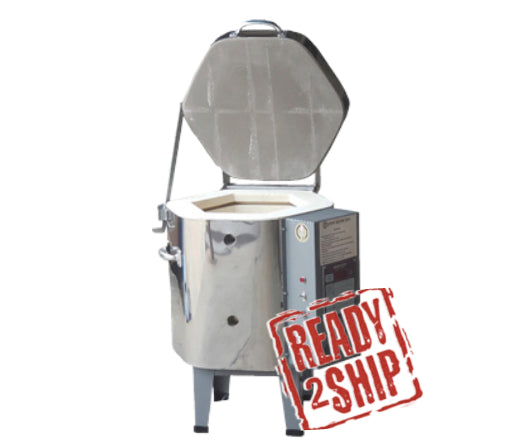
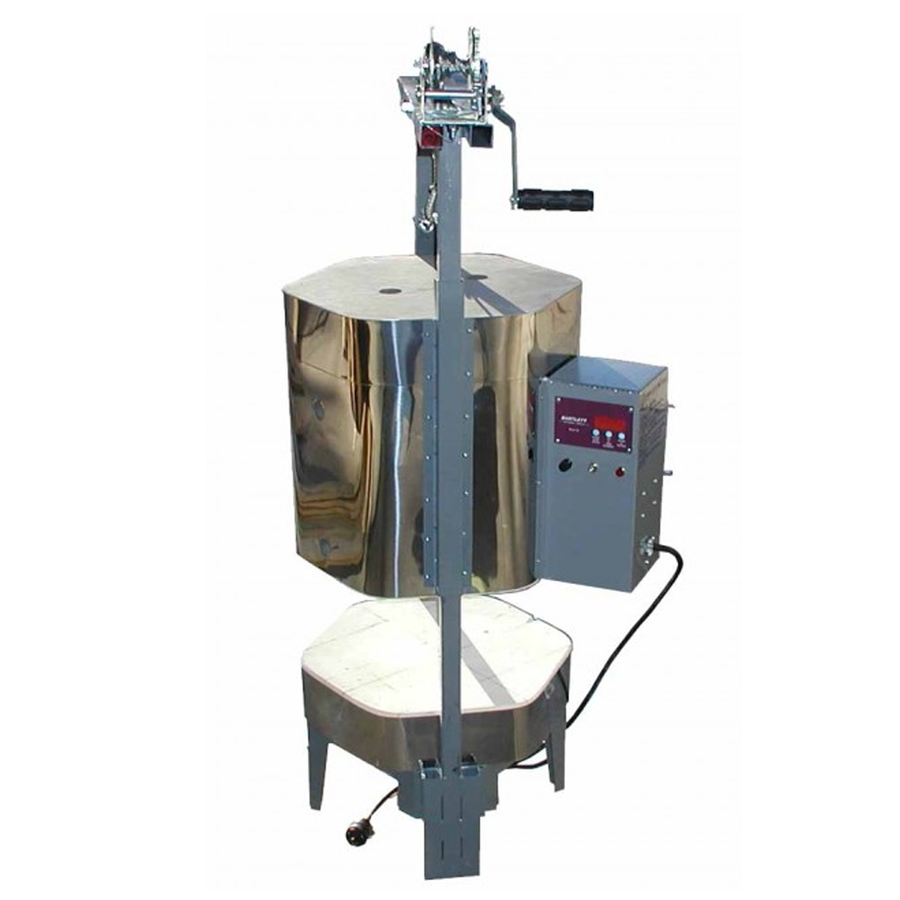
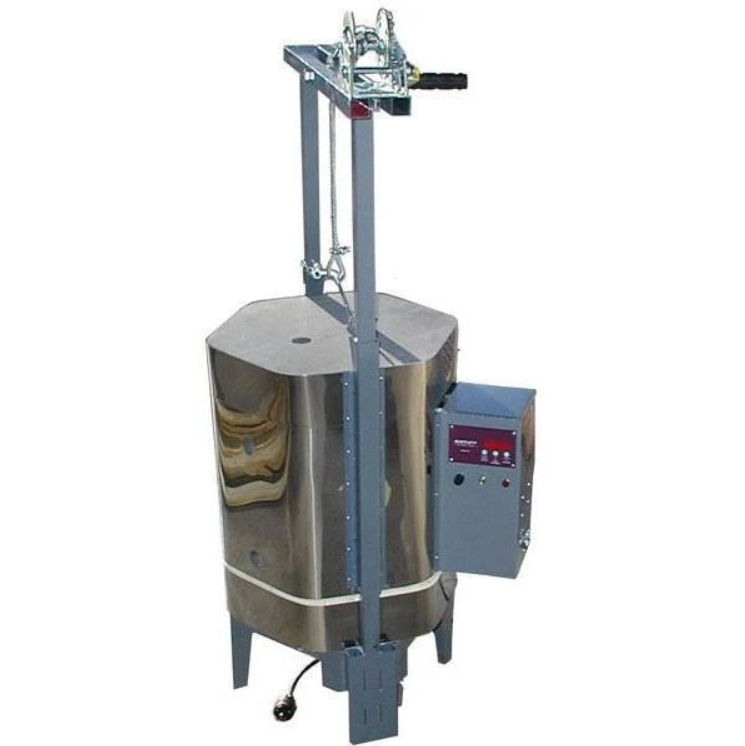
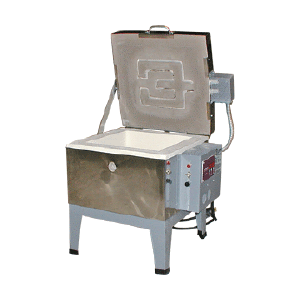
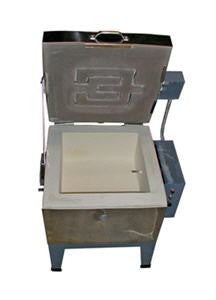
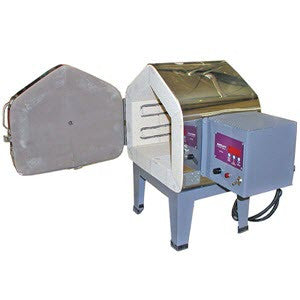
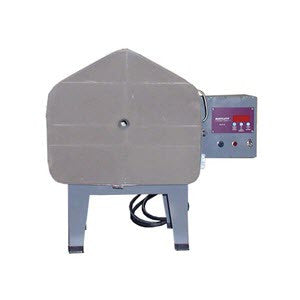
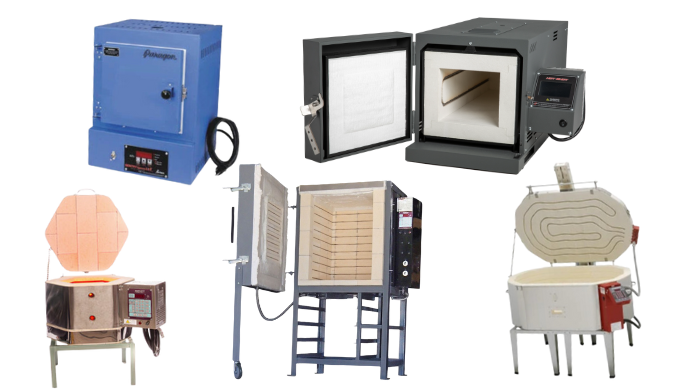
Olympic designs more models, styles, and types of kilns than any other kiln manufacturer today. Olympic offers electric and gas-powered kilns to hobbyists, production studios, and industrial manufacturers.

Also, be sure to check out the Olympic Kilns Electrical Parts Kits... never experience downtime again because you didn’t have a part on hand. Buy Olympic Kilns today!

Want to see what our customers have to say about gas and electric Olympic Kilns... check out their product reviews!

***Buying now and paying later. That’s the magic of more time. Kiln Frog has multiple options for financing that fit your exact budget... learn more about equipment financing

    Frequently Asked Questions

    Frequently Asked Questions for Ceramics / Pottery Kilns
    What is the difference between a ceramic kiln and a pottery kiln?

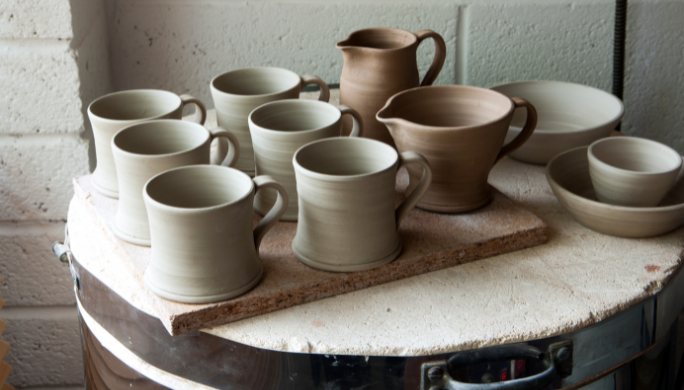
    There is no real difference: a ceramic kiln and a pottery kiln are the same tool, used to fire clay into finished ware. Both reach the high temperatures needed to bisque and glaze fire pottery, and the terms are used interchangeably across this collection.

    Do you sell used pottery kilns for sale?

    We carry new ceramic and pottery kilns rather than secondhand units, so quality and warranty are consistent. Shoppers searching for a used kiln for sale often choose a new entry-level kiln instead, since the price gap is smaller than expected once condition and reliability are factored in.

    How much does a pottery kiln cost?

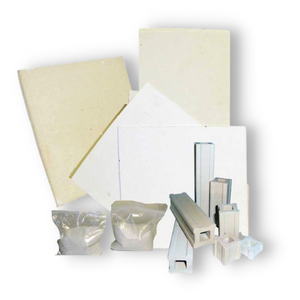
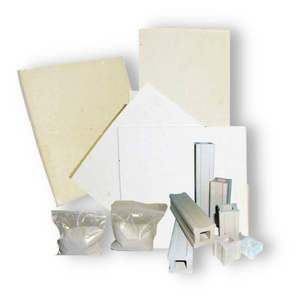
    Pottery kiln prices range widely based on chamber size, cone rating, and controller type, from compact tabletop units up to large studio kilns. Browse the listings in this collection for current pricing, and factor in shelves, posts, and installation when you budget.

    Where can I find a kiln for sale near me?

    We ship ceramic and pottery kilns nationwide, so you can order online instead of hunting for a kiln for sale near you. This usually gives you a wider model selection than a local listing, plus new condition and manufacturer support.

    What cone temperature do I need for ceramics and pottery?

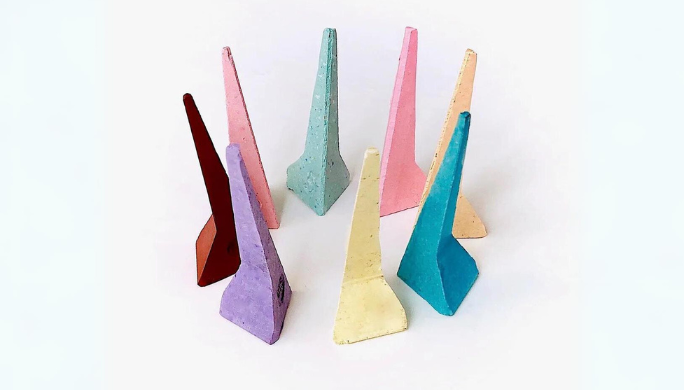
    Most stoneware fires to cone 6, earthenware to around cone 04, and porcelain to cone 10, so choose a kiln rated above the highest cone you plan to use. A kiln rated to cone 10 covers nearly all pottery clay bodies and glazes with headroom to spare.

    Frequently Asked Questions for Large Kilns
    What counts as a large kiln for pottery?

    A large kiln in this collection has an interior roughly 17 to 24 inches wide and deep, giving you room for tall vases, big platters, and multi-shelf production loads. These are studio and small-business kilns built for higher volume than home-size models.

    How much does a large pottery kiln cost?

    Large 17 to 24 inch kilns cost more than small or medium models because of their bigger chambers, heavier elements, and higher power draw. Price depends on cone rating, controller, and brand, so compare current listings in this collection for accurate figures.

    Do you have large electric kilns for sale for commercial use?

    Yes. This collection includes large electric and commercial-grade kilns suited to studios, schools, and small production shops. They handle frequent firing cycles and larger loads, so look for a high cone rating and a programmable controller for repeatable results.

    What electrical supply does a large kiln need?

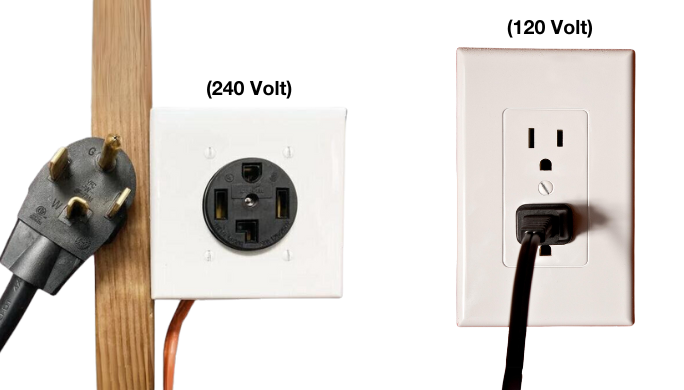
    Large kilns almost always require a dedicated 240V circuit, and the bigger models may need 30 to 60 amps or more. Confirm the exact voltage and amperage on each listing and have an electrician verify your supply before installation.

    How big a kiln do I need for tall pottery pieces?

    Measure your tallest planned piece and add a few inches of clearance, then match that to the interior height of the kiln. A 17 to 24 inch large kiln fits most tall vases and sculptures that will not fit a medium kiln, while still being manageable for a studio.

    Frequently Asked Questions for Round Shaped Kilns
    What is a round kiln best suited for?

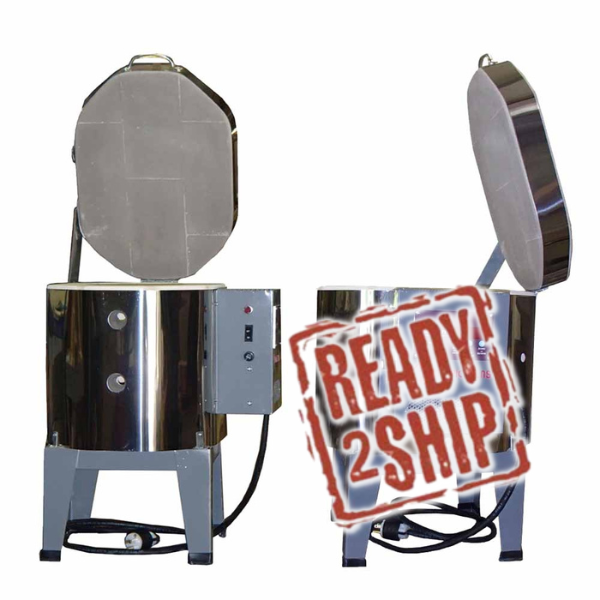
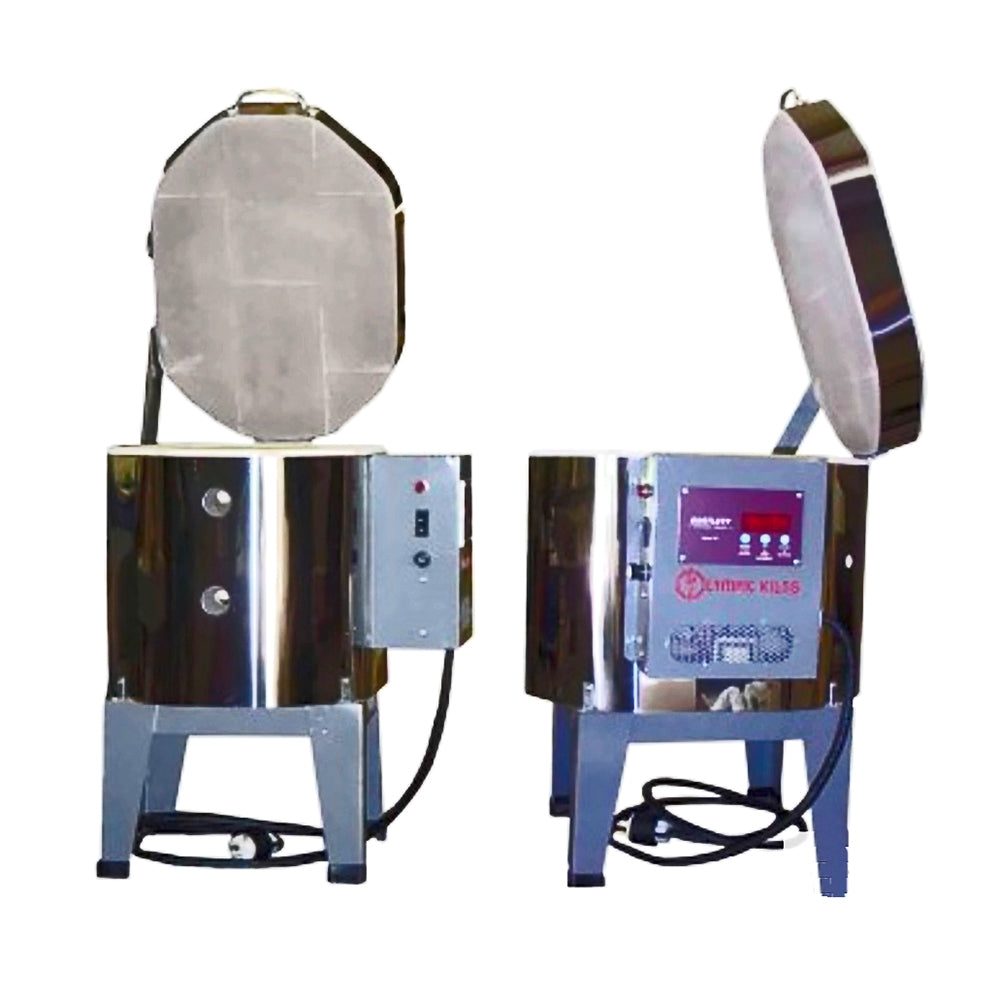
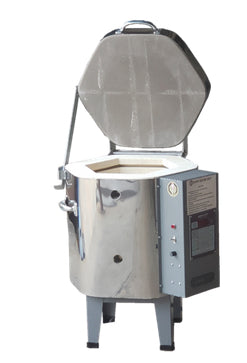
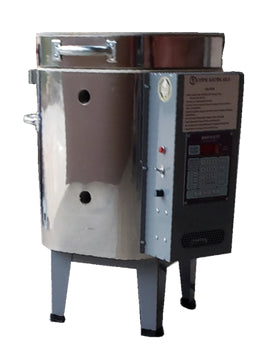
    A round kiln offers even heat distribution around a circular chamber, which makes it a popular shape for pottery, ceramics, and many glass projects. The round footprint suits bowls, vases, and cylindrical work, and it is the most common shape for top-loading electric kilns.

    Are round kilns more efficient than square kilns?

    Round kilns heat evenly because no corners trap or lose heat, which can make them efficient for firing pottery and round ware. Square kilns use floor space more fully for flat or rectangular pieces. The better choice depends on the shape of the work you fire most.

    Do round kilns come in different sizes?

    Yes. Round kilns range from small tabletop units to large studio models, measured by interior diameter and depth. Pick a diameter that fits your widest piece with clearance, and a depth that suits how many shelves you want to stack per firing.

    Can I use a round kiln at home for pottery?

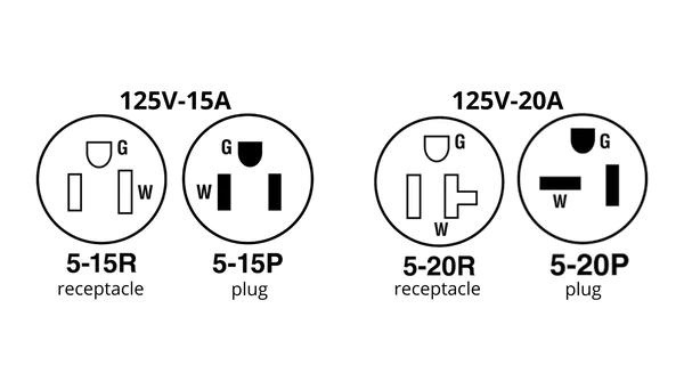
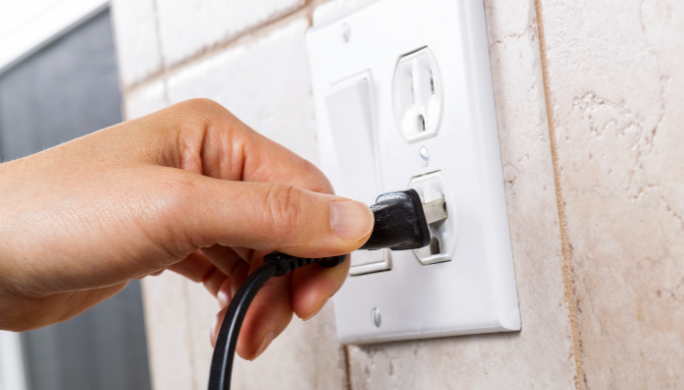
    Yes. Many round kilns are sized for home studios, with smaller models running on a standard outlet and larger ones needing a dedicated 240V circuit. Confirm the voltage and footprint of the specific round kiln and give it clearance for safe ventilation.

    Are round kilns top loading or front loading?

    Most round kilns are top loading, which keeps construction simple and heat even. You load pieces down through the lid onto stacked shelves. If you prefer to load from the side at waist height, a front-loading or square kiln may suit you better.

    Frequently Asked Questions for Square Shaped Kilns
    What is a square kiln good for?

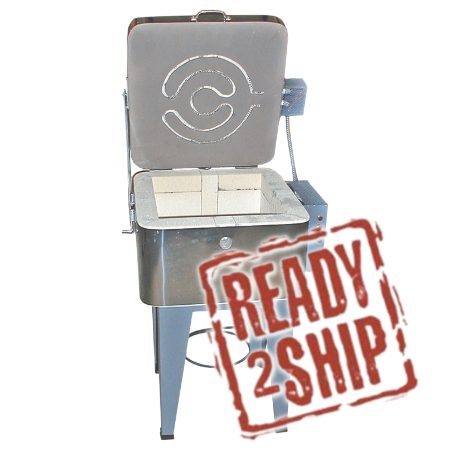
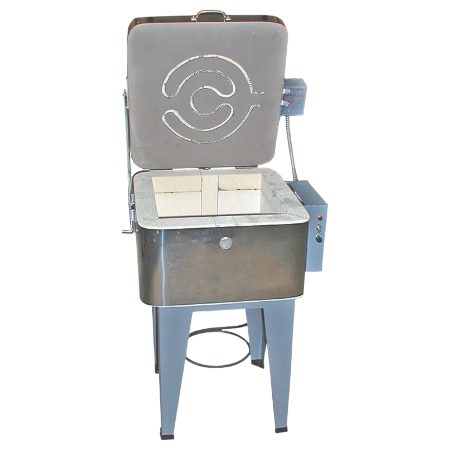
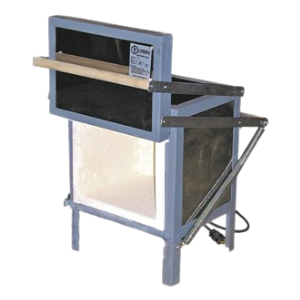
    A square kiln uses its full floor area for flat and rectangular pieces, which makes it efficient for tiles, plates, glass panels, and packed shelf loads. The square chamber fits more straight-edged work than a round kiln of similar width.

    Should I choose a square or round kiln?

    Choose a square kiln if you fire tiles, flat glass, or rectangular work and want to maximize shelf space. Choose a round kiln for bowls, vases, and even all-around heating. Both fire the same materials, so the decision comes down to the shape of your pieces.

    Can a square kiln fire ceramics and pottery?

    Yes. Square kilns fire ceramics, pottery, glass, and many heat-treating projects just like round kilns, as long as the cone rating matches your clay or material. The square shape simply changes how efficiently you can pack flat or angular pieces.

    Are square kilns available in commercial sizes?

    Yes. Square kilns come in sizes from compact studio units up to large commercial models built for production tile and ceramics work. Larger square kilns need a dedicated 240V circuit and ample clearance, so check the listing specs before ordering.

    What size square kiln do I need for tiles?

    Measure your largest tile or panel and pick a square kiln with interior dimensions that fit it flat with room to spare. Shelves let you stack multiple layers, so factor in batch size as well as single-piece dimensions when choosing capacity.

    Frequently Asked Questions for X-Large Kilns
    What is an extra-large kiln used for?

    Extra-large kilns over 24 inches are built for big production runs, oversized sculptures, large glass panels, and commercial studios. They fire many pieces or very tall work in a single load, which makes them efficient for schools and businesses that fire often.

    How much does a large kiln weigh and what does installation require?

    Extra-large kilns are heavy and often need freight delivery, a reinforced floor, and clearance on all sides for ventilation. Weight and footprint vary by model, so review the specs and plan the install space and electrical supply before ordering.

    Are there large glass kilns over 24 inches for fusing and slumping?

    Yes. This collection includes large glass kilns suited to big fused panels, slumped bowls, and bigger glass projects that will not fit a standard kiln. Look for a wide, shallow chamber and even element layout, which give consistent results across large flat glass.

    What power does an extra-large kiln need?

    Extra-large kilns draw substantial power and typically require a dedicated high-amperage 240V circuit, with some commercial models needing three-phase service. Confirm the voltage, amperage, and phase on the listing and have an electrician confirm your supply.

    How big does a kiln get, and which one is right for high-volume work?

    The largest production kilns exceed 24 inches in every dimension and can fire dozens of pieces at once. For high-volume studios, pick the biggest chamber your space and power allow, then confirm the cone rating matches the clay or glass you fire most.