



Anvils

Step into the world of metalworking mastery with our premium collection of anvils. Our tools let you realize your creative ambitions, whether you're a professional blacksmith, bladesmith, or amateur forger. From shaping metal to creating intricate designs, our tools can handle the heat and pressure of your biggest projects.

The collection includes:

High-quality anvils for hammering, bending, and shaping are durable and strong.

Tongs, hammers, and other essentials are needed for a smooth forging experience.

Why pick our forges and anvils?  Our anvils and forges are the cornerstone of every great invention, whether you're starting out or expanding your workshop. Use confidence to ignite your passion and craft—your next masterpiece begins here.

    Frequently Asked Questions

    Frequently Asked Questions for Anvils
    What kind of anvil do I need for knife making and blacksmithing?

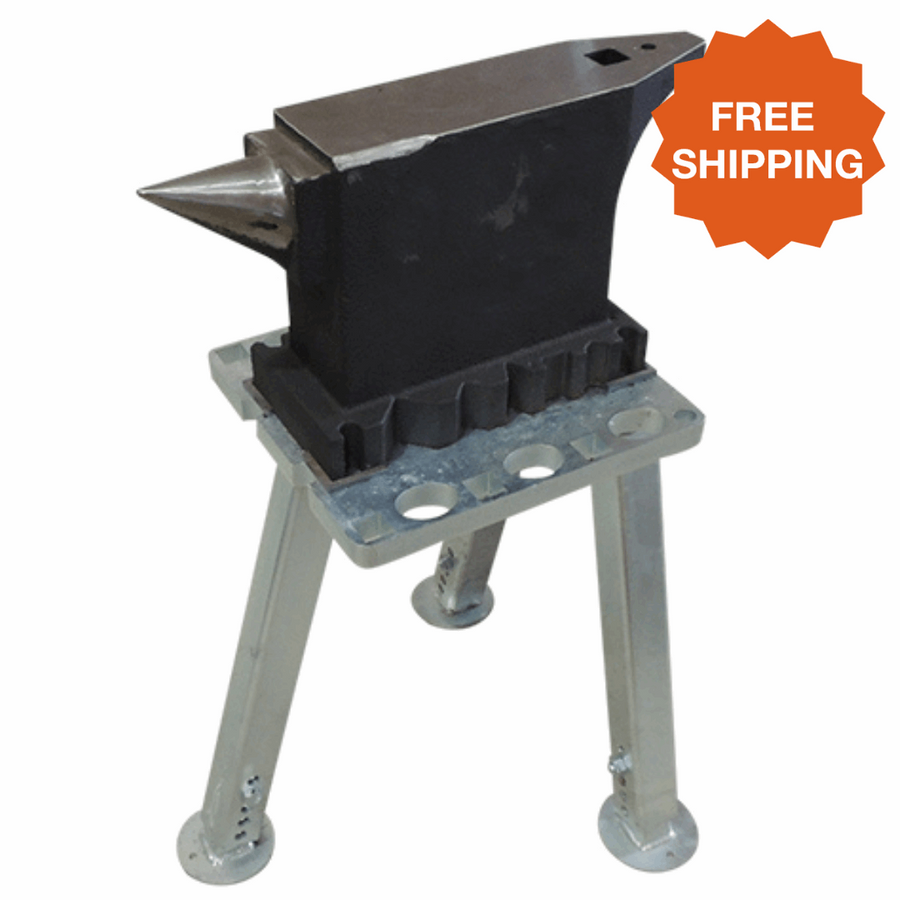
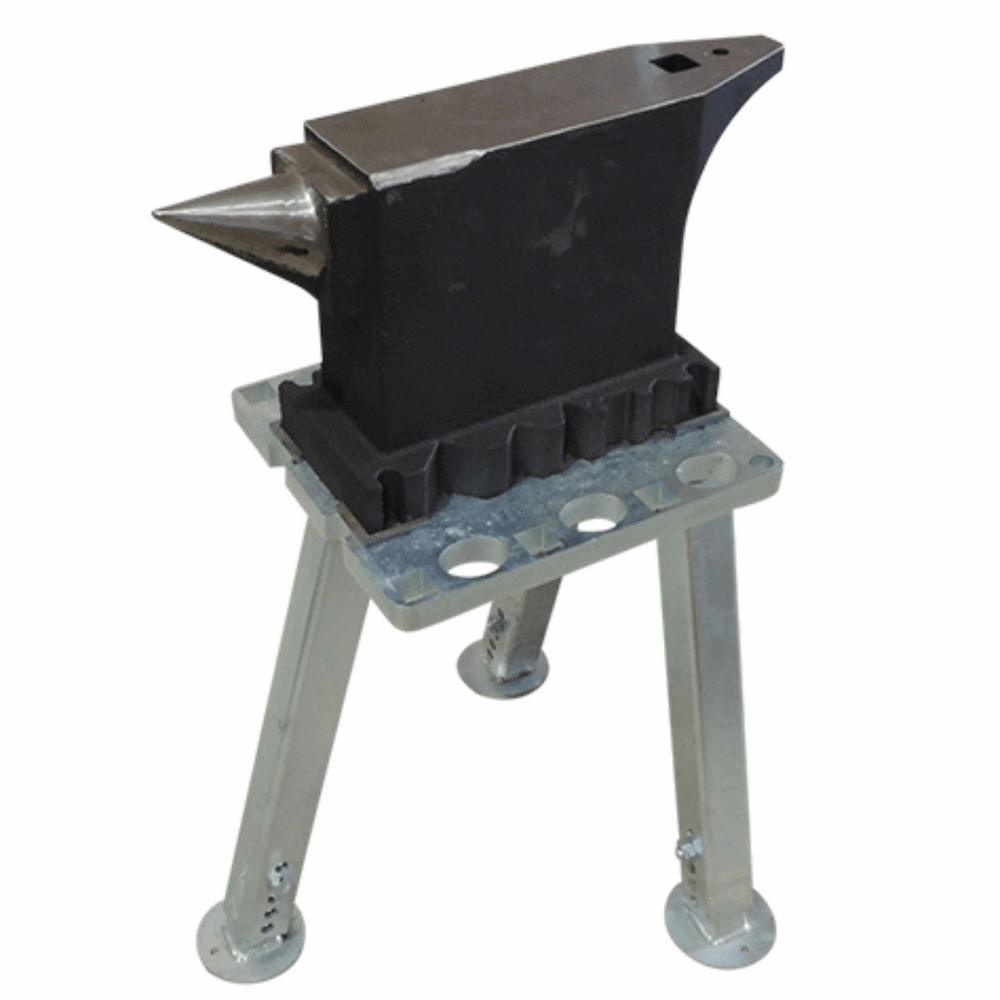
    For most metalwork you want an anvil with a flat, hardened face, a horn for curves, and enough mass to bounce the hammer back. A knifemaker anvil can be smaller than a farrier or general blacksmith anvil, since blade work needs less surface but still rewards good rebound.

    What size and weight anvil should I buy?

    Heavier anvils transfer more energy and move metal faster, which is why many smiths choose anvils in the 70 to 150 pound range or more. If you forge small parts and knives, a lighter, well-supported anvil works fine. Match the weight to your projects and your stand.
    Do you sell forges and anvils together?

    Yes. Many smiths set up with both a forge and an anvil, and you can shop forges alongside anvils on the site. The forge brings steel to working heat and the anvil gives you the surface to shape it, so they work as a pair.

    What is a cone anvil used for?

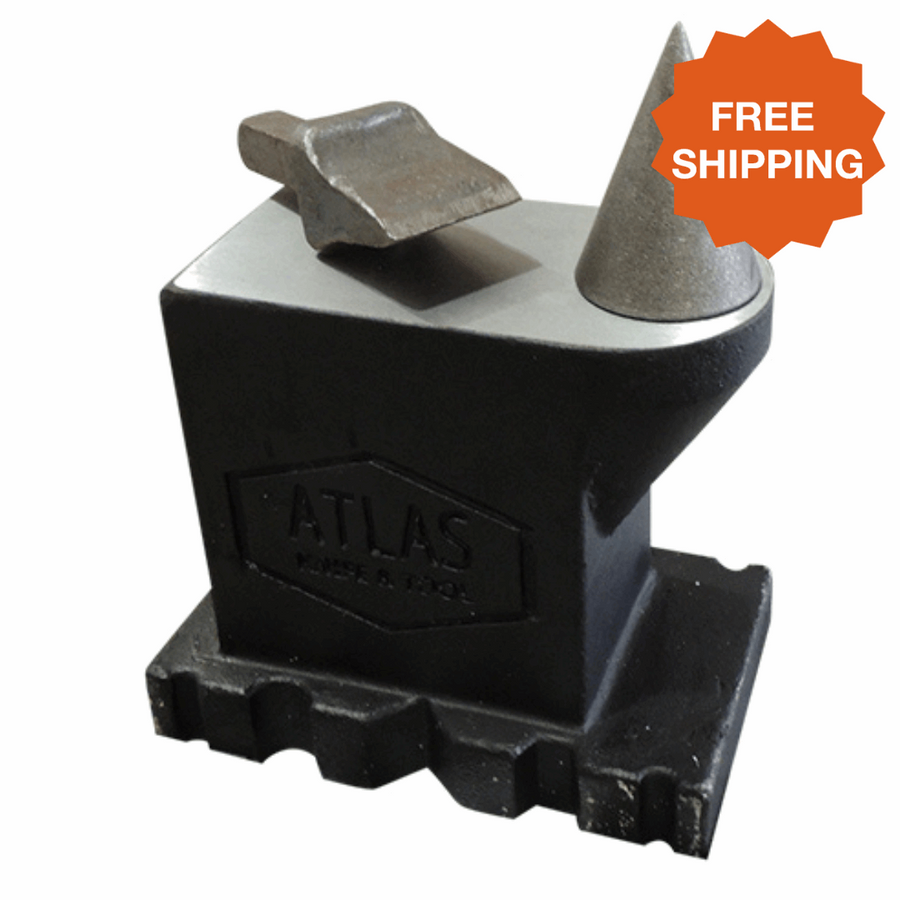
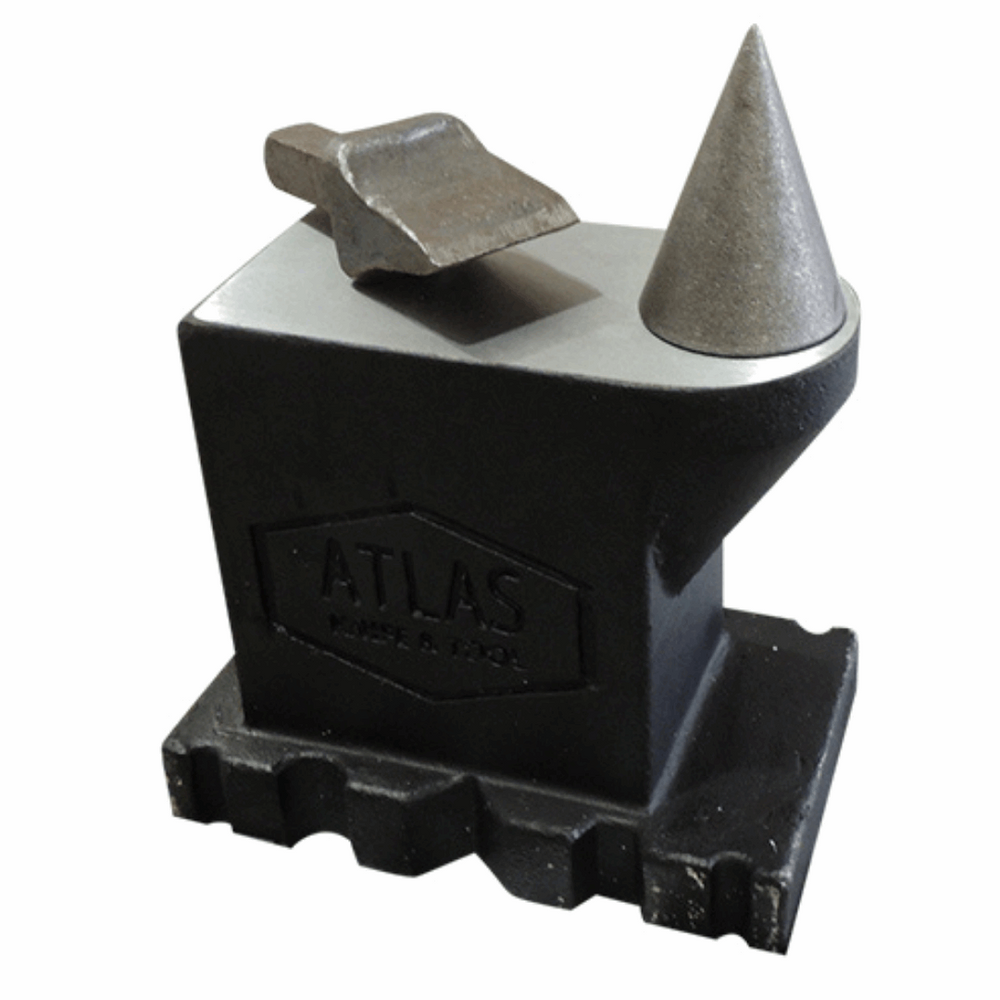
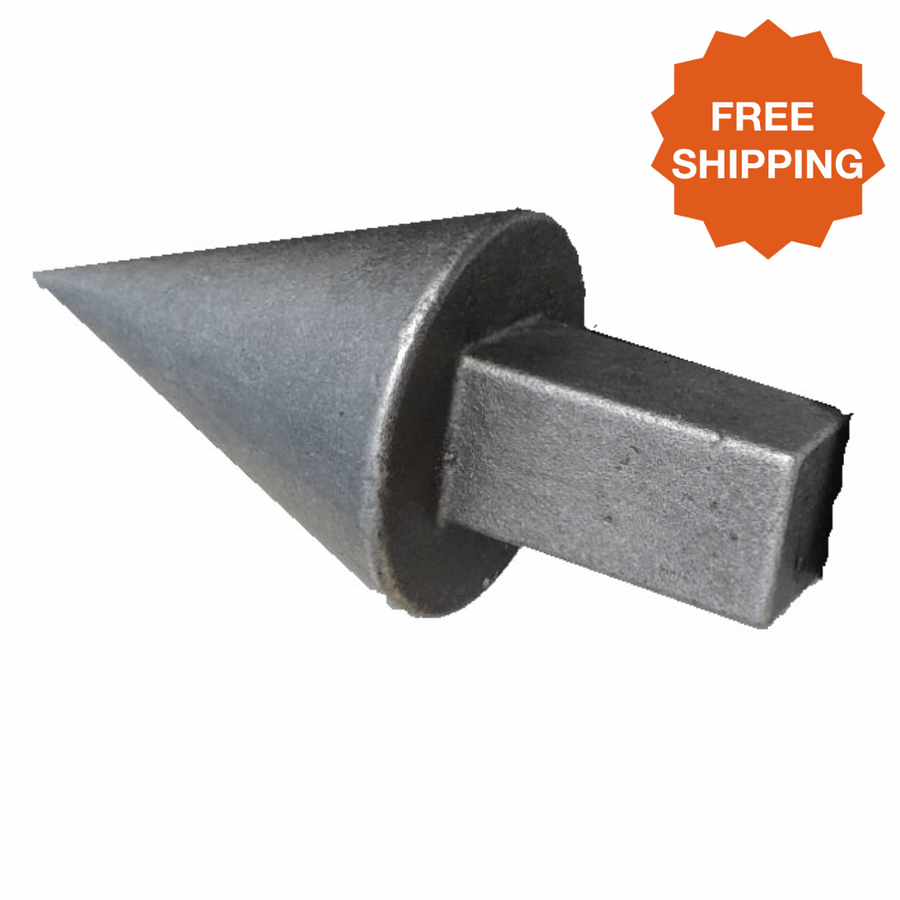
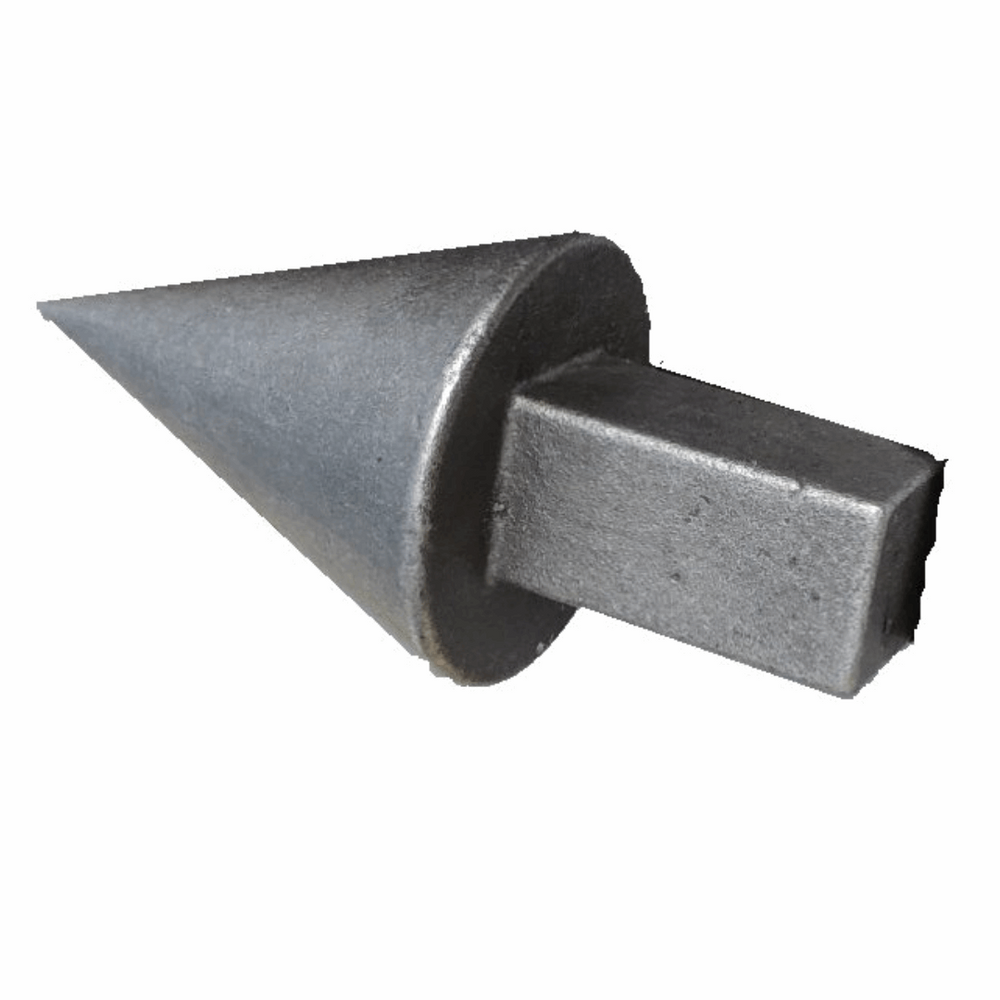
    A cone anvil, sometimes called a conical mandrel, is used for shaping and truing rings, bands, and curved metal. It complements a flat-faced anvil rather than replacing it, and is handy for jewelry, ringwork, and any project that needs a tapered forming surface.

    Should I buy a new or used anvil?

    A new anvil gives you a known, consistent hardened face and full support, while a used anvil can be a value if the face is flat and shows good rebound. Inspect any used anvil for sway, chips, and dead spots before buying, since a worn face limits how efficiently it moves metal.