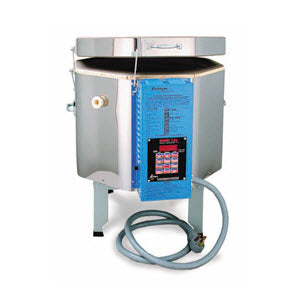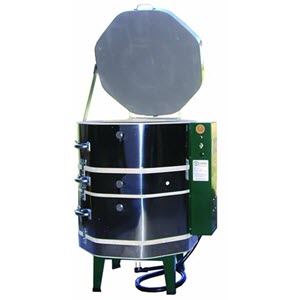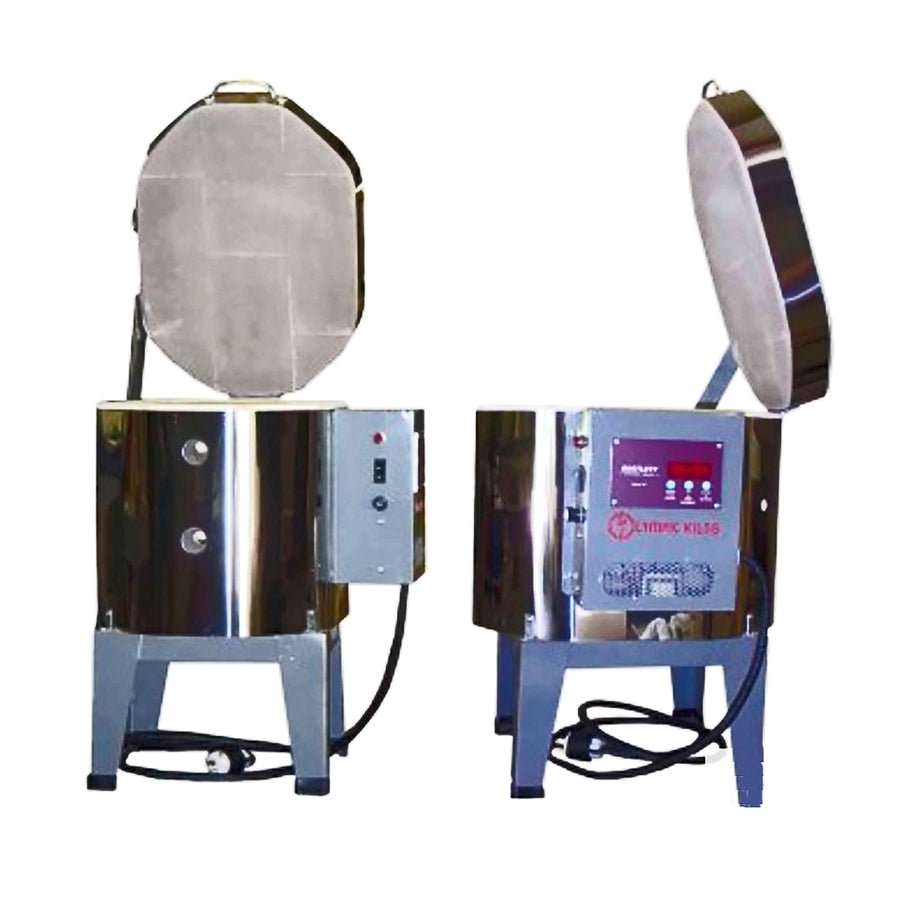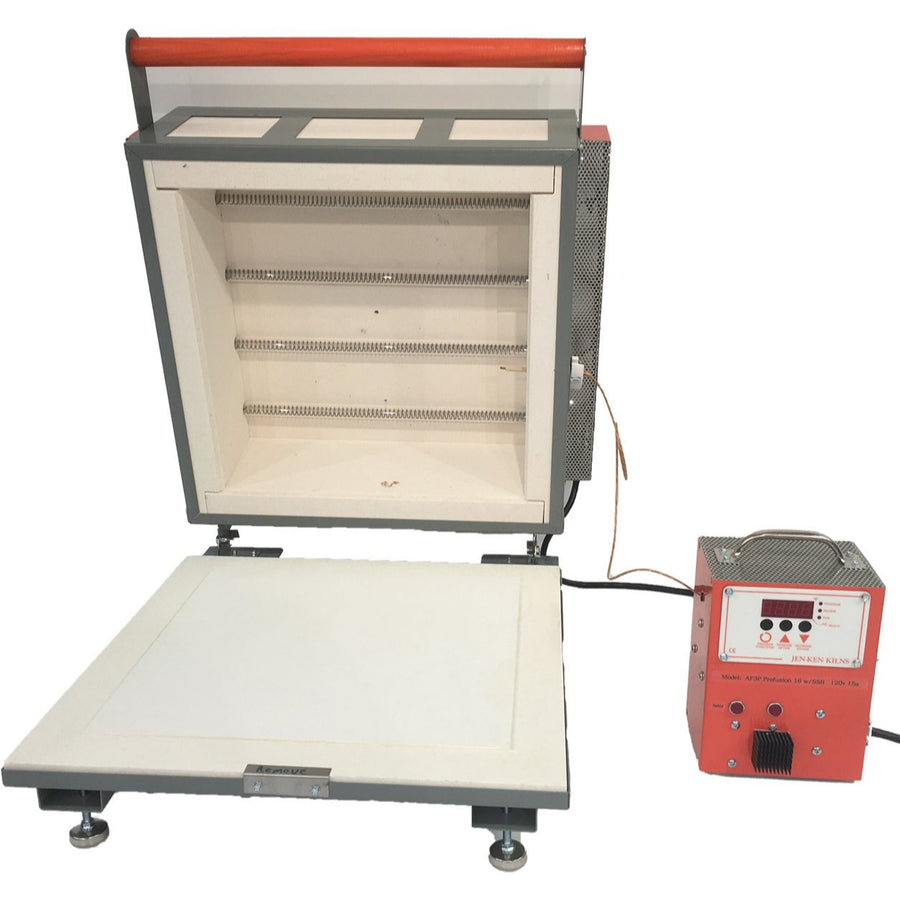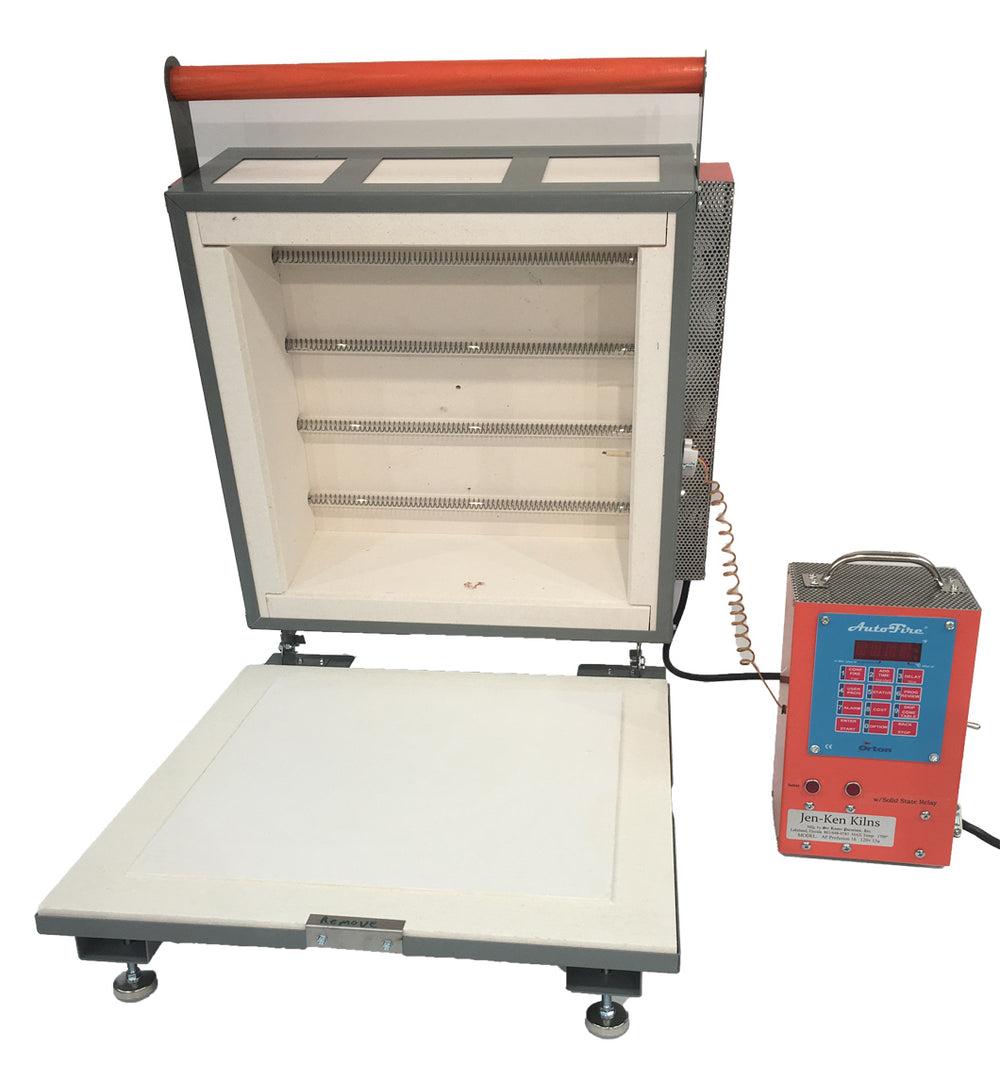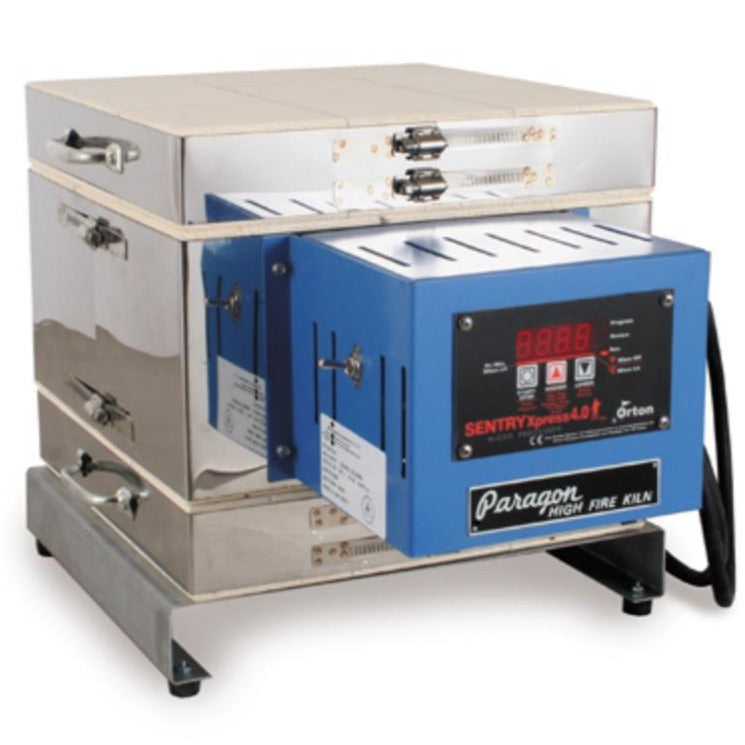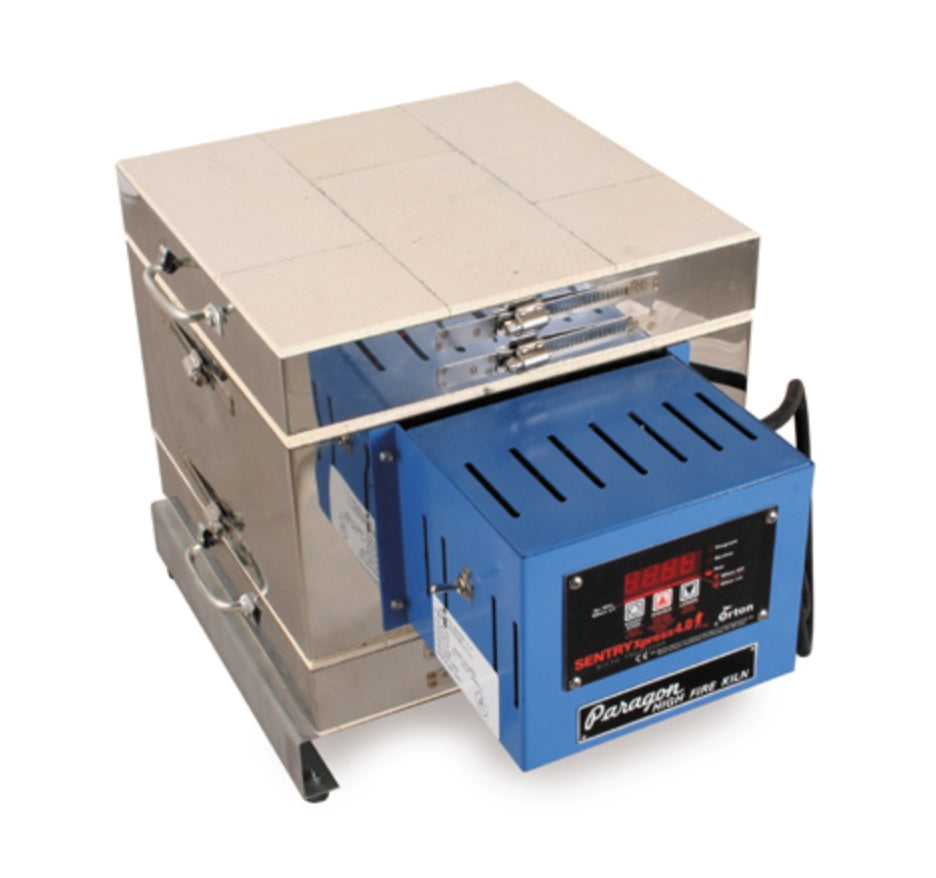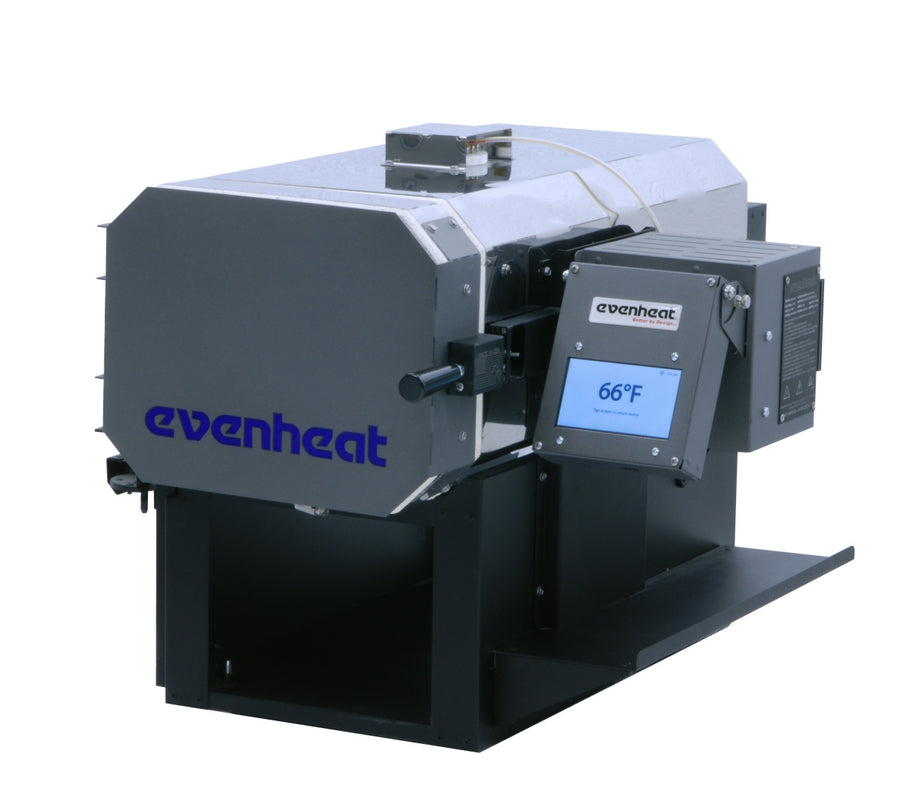




Electric Kilns for Pottery, Glass, and Heat Treating

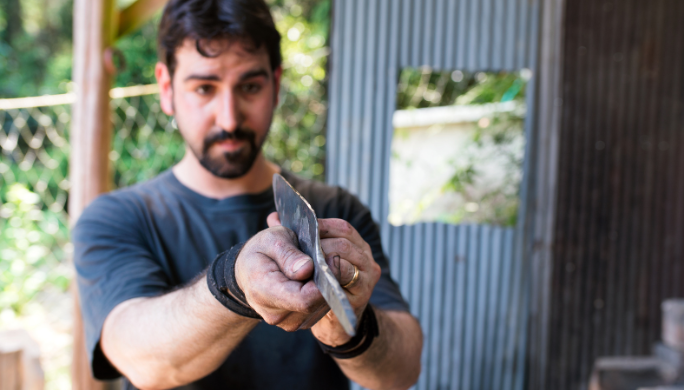
Finding the right electric kiln is the most critical investment for your studio. Whether you are a ceramic hobbyist, a professional glass artist, or a bladesmith looking for precise heat-treating ovens, Kiln Frog has you covered. 

Key Factors to Consider:

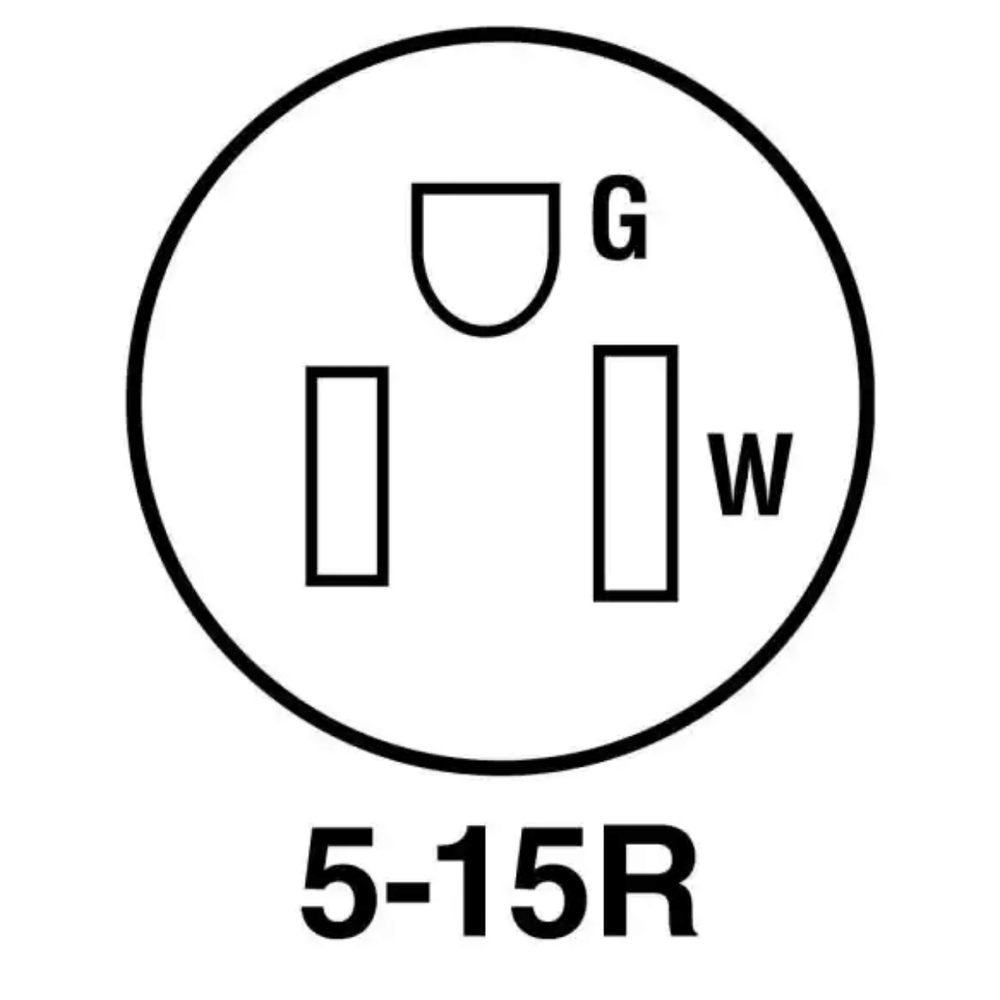
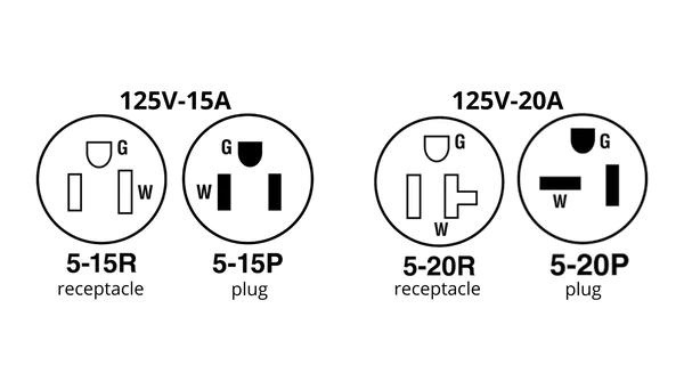
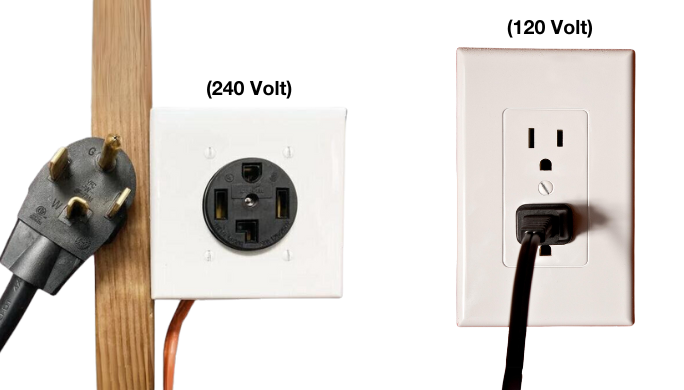
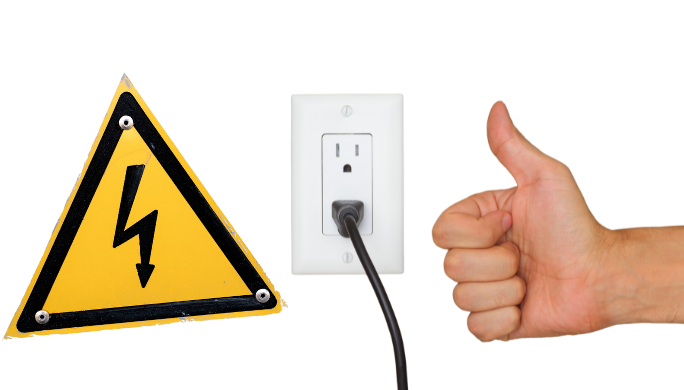
  • Voltage: We sell 120V (standard household outlets for test kilns), 240V (home studios/garages), and 208V (commercial/schools) models.

  • Temperature: Choose from low-temp glass kilns (up to 1700°F) to high-fire ceramic kilns rated for Cone 6 and Cone 10 (up to 2350°F).

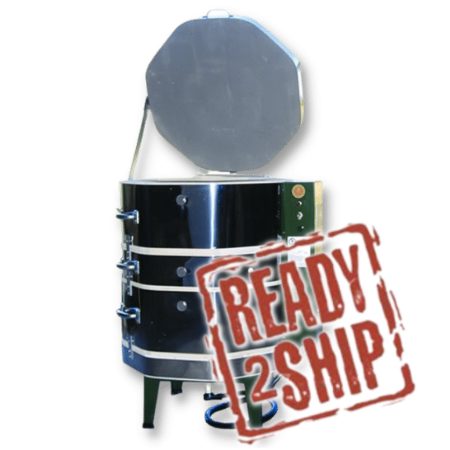
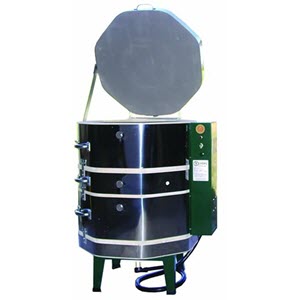
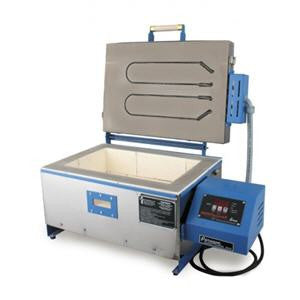
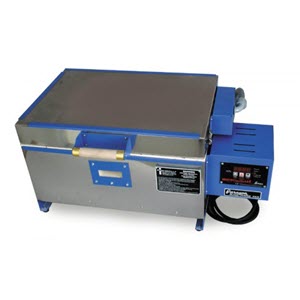
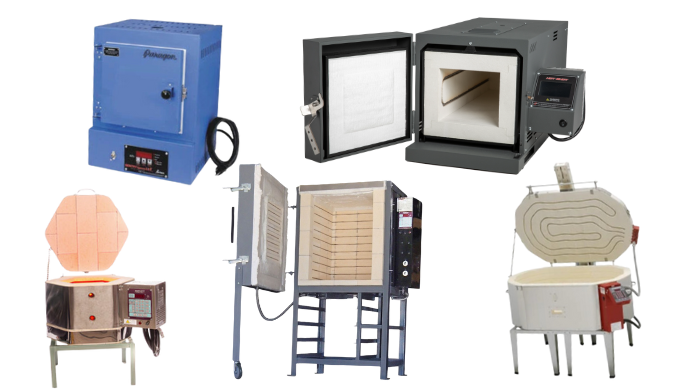
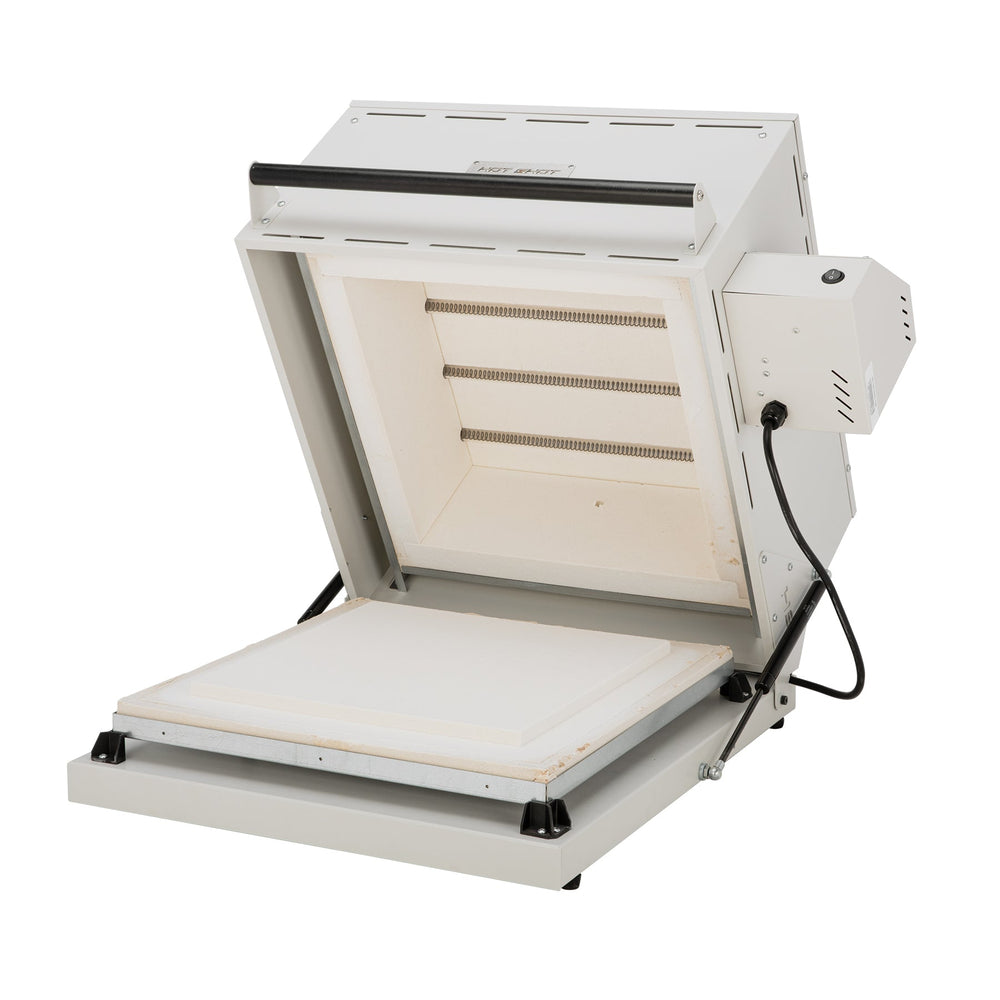
  • Loading Style: Select economical top-loading models for  ergonomic front-loading, or clamshell opening ovens for easy access.

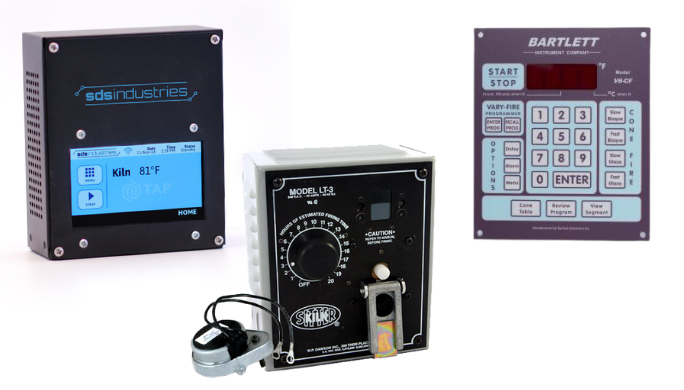
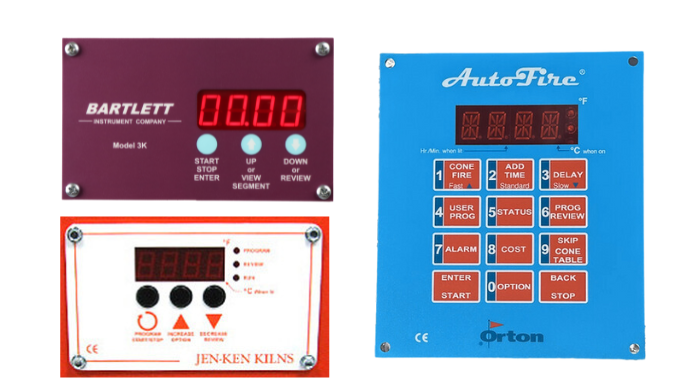
Equipped with advanced digital controllers, our electric kilns deliver the precise, repeatable results you need. Unsure which model fits your electrical setup? Contact the Kiln Frog team at 361-596-3764 or customerservice@kilnfrog.com for expert guidance.
    Frequently Asked Questions

    Frequently Asked Questions for Small Kilns
    Can you fire a small kiln at home on a standard outlet?

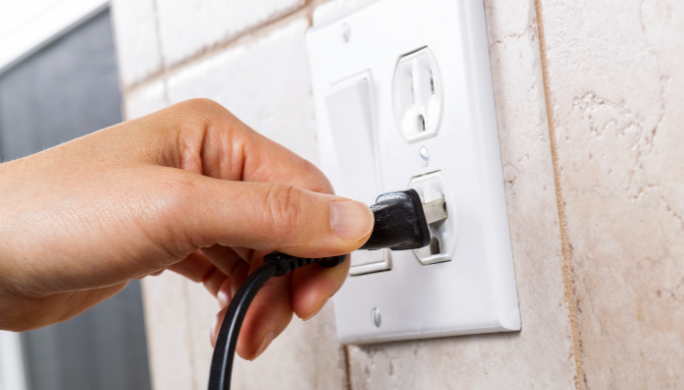
    Yes. Most small kilns run on a standard 120V household outlet, which is what makes them practical for home and (sometimes) apartment use. Larger models may need a dedicated 240V circuit, so always confirm the voltage and amperage of a specific kiln before buying.

    How much does a small kiln cost?

    Small tabletop and mini kilns generally cost less than full-size studio kilns because they use less material and power. Pricing varies by chamber size, temperature rating, and controller type, so compare the listings in this collection rather than relying on a single figure.

    What is the best small kiln for pottery at home?

    The best small pottery kiln is the one that fits your space, electrical supply, and the cone temperature your clay needs. Look for a model that reaches at least cone 6 if you fire stoneware, a programmable controller for repeatable results, and a footprint that suits a tabletop or studio corner.

    Is a portable kiln practical for a small home studio?

    A portable or compact kiln is practical when space and power are limited, since many weigh little and plug into a standard outlet. Place it on a heat-safe surface with clearance around it for ventilation, and keep it away from walls and flammable materials while firing.

    Are tabletop and mini kilns good for ceramics and clay?

    Yes. Tabletop and mini kilns fire clay, ceramics, glass, and small test pieces, and they are popular with hobbyists, jewelers, and teachers. They hold fewer pieces than a studio kiln, so they suit small batches, samples, and home projects rather than high-volume production.

    Frequently Asked Questions for Electric Kilns (Pottery, Glass & Heat Treating)
    What can an electric kiln be used for?

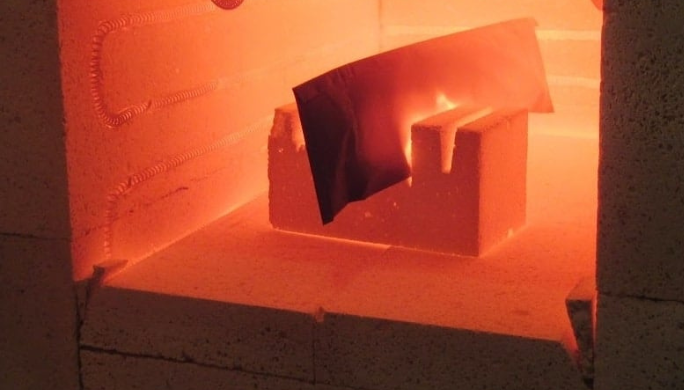
    Electric kilns fire a wide range of work, including pottery and ceramics, glass fusing and slumping, and metal heat treating. The right model depends on your top temperature and chamber size needs. A versatile electric kiln lets one unit cover several of these uses.

    What voltage does an electric kiln need?

    Smaller electric kilns run on standard 120V household outlets, while larger pottery and high-temperature kilns require 240V and a dedicated circuit. Check the kiln's amperage and confirm your outlet and breaker match before buying, since this affects installation cost.

    Can one electric kiln do pottery, glass, and heat treating?

    Some electric kilns are built to handle multiple jobs, but firing needs differ: glass wants even heat, pottery needs high cone temperatures, and heat treating needs accurate holds. A multipurpose electric kiln with a programmable controller covers these, though dedicated kilns can perform better for one task.

    Do you have kilns ready to ship?

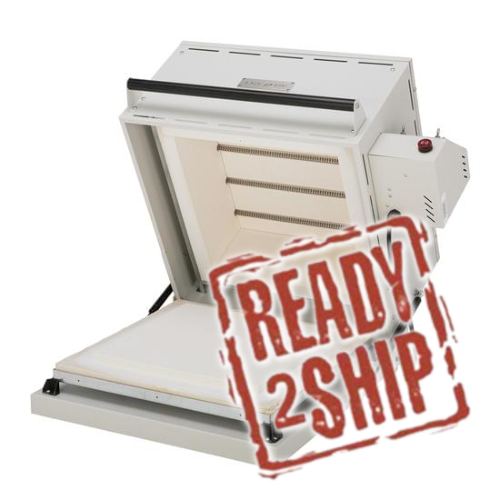
    Yes, many electric kilns are stocked and ready to ship, while specialty configurations may be built to order. Lead times vary by brand and model. Check the listing for current availability, since in-stock status changes as inventory moves.

    How do I choose the right size electric kiln?

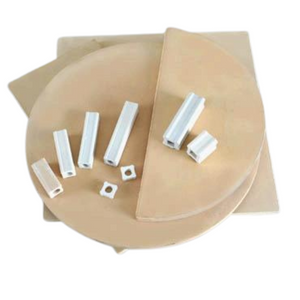
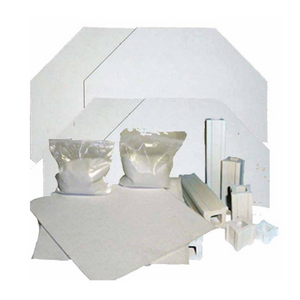
    Size your kiln to your largest typical piece plus room for kiln furniture, then consider how much you fire at once. Bigger chambers cost more to buy and run, so match the interior to your real workload rather than buying the largest available.