


FORGES AND ANVILS - ATLAS KNIFE & TOOL

TURNAROUND TIMES 2-3 BUSINESS DAYS. ANVILS SHIP IN 2-4 WEEKS. ATLAS PLUS FORGE AND GRAHAM 117 FORGE SHIP IN 9-10 WEEKS.

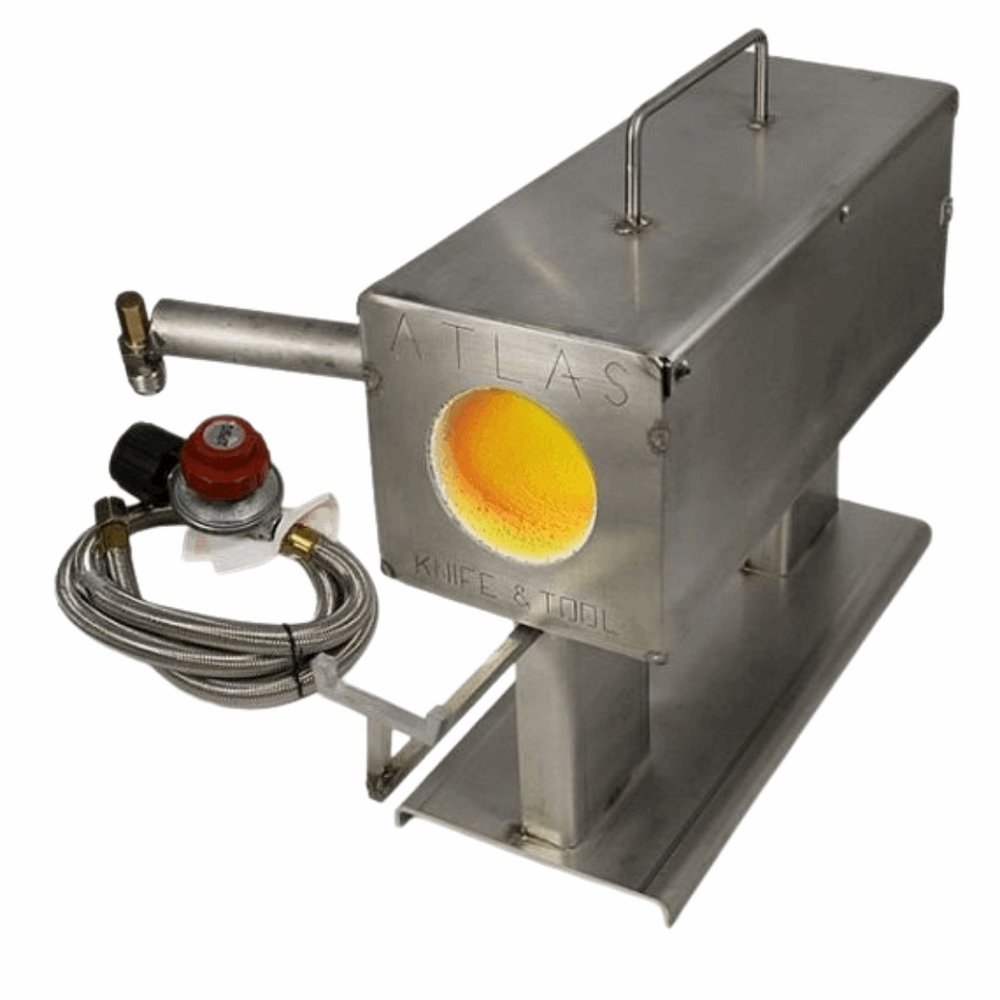
Producers of professional quality forges since 2011, Atlas prides themselves on their outstanding customer service and always strive to improve the quality of their products. They've spent hundreds of hours on the research and development of their products and always implement improvements when feasible. Their collection of bladesmithing and knife-making forges, anvils for knife makers, anvil stands, and accessories is top-quality and heavy-duty - whether you're shopping for your first forge for knife making or a workshop upgrade. Made for even the toughest environments, you'll find professionals and hobbyists alike prefer this stellar brand of metalworking tools.

As of 2022, over 5000+ bladesmiths are using their products in 10+ countries and in dozens of schools.
    19 products

    Frequently Asked Questions

    Frequently Asked Questions for Forges & Anvils (Atlas Knife Tool)
    What makes an Atlas Knife and Tool forge good for knife making?

    Atlas Knife and Tool builds forges specifically for bladesmiths, with chamber sizes and burner layouts tuned for heating blade stock evenly. That focus on knifemaking is why the Atlas forge is a popular pick for both beginners and working knife makers.
    What size forge is best for making knives?

    Most knife makers do well with a small forge that heats fast and runs efficiently on a single burner, since blades fit easily in a compact chamber. Step up to a larger or multi-burner forge only if you work long blades, damascus billets, or heavier stock.
    Do I need an anvil for knife making, and what kind?

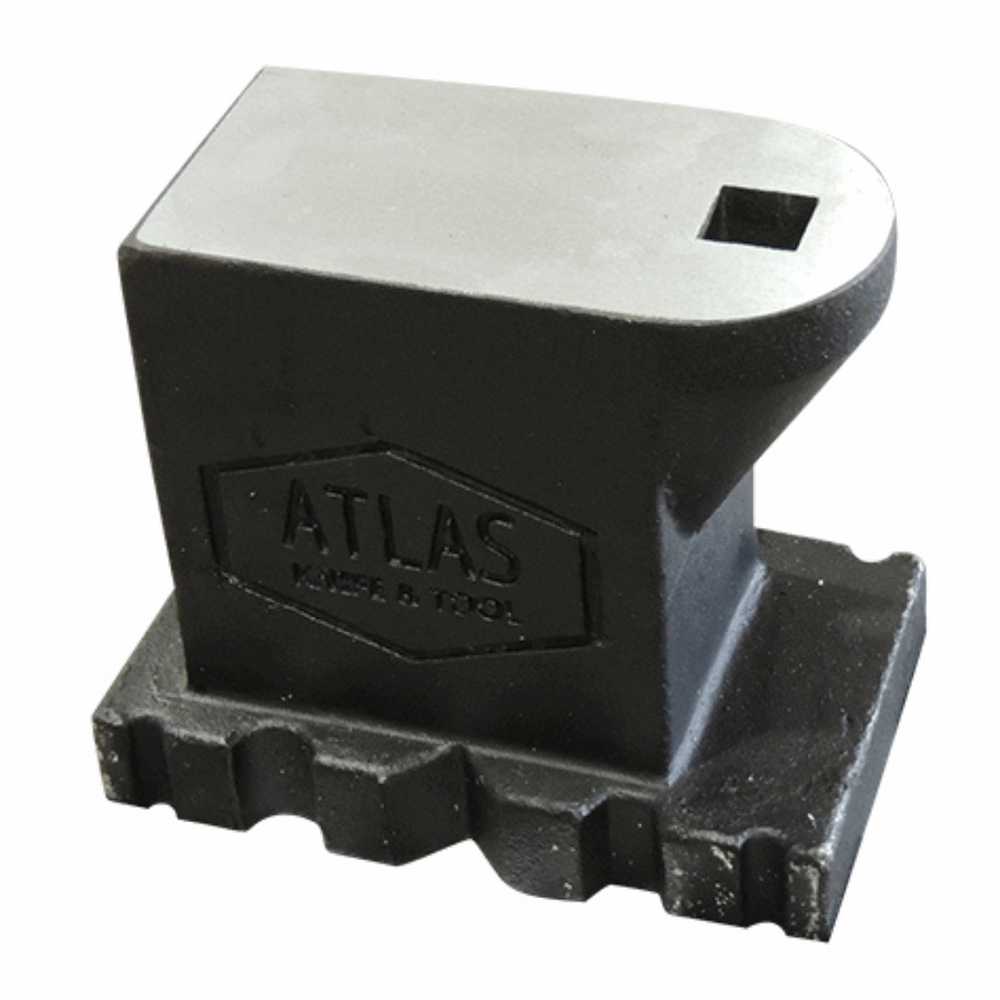
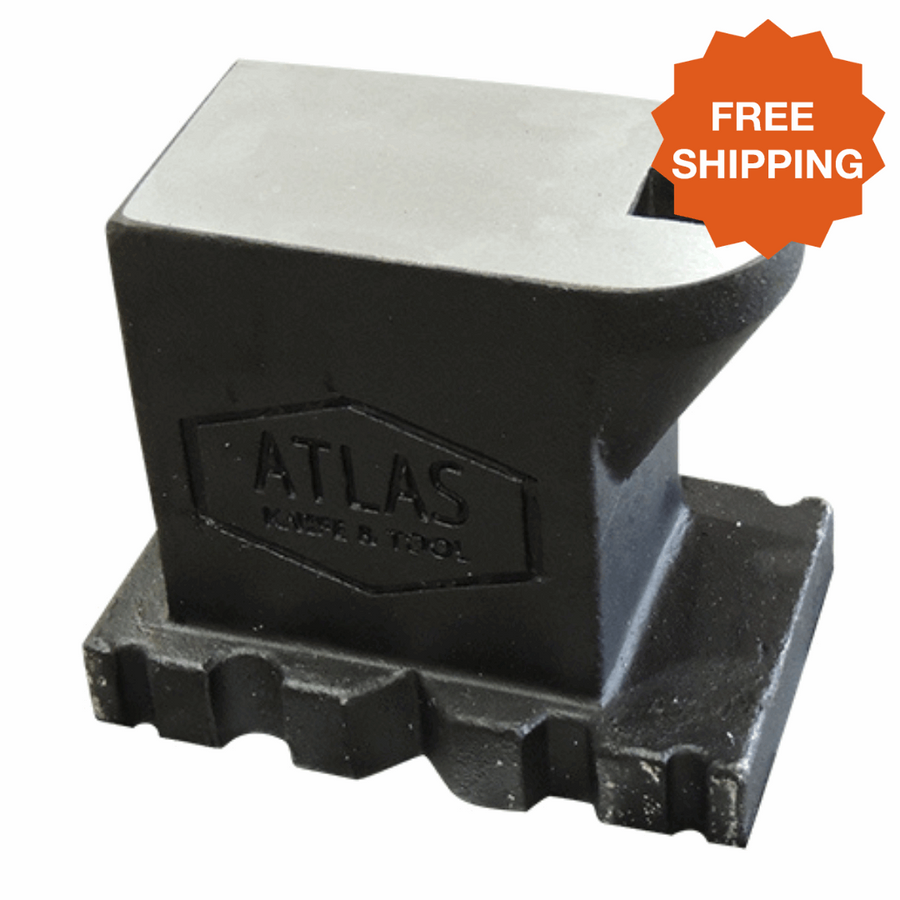
    Yes, you need a solid anvil to forge and straighten blades. A knife maker's anvil does not have to be huge; a well-supported anvil with a flat, hardened face and enough mass to return energy to the hammer is what matters most for clean blade work.

    What is the difference between a forge and a kiln?

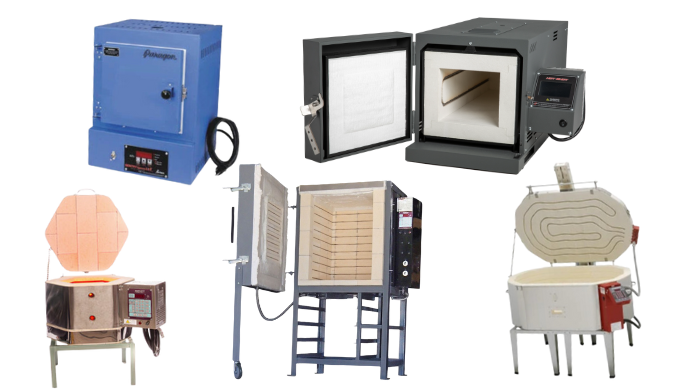
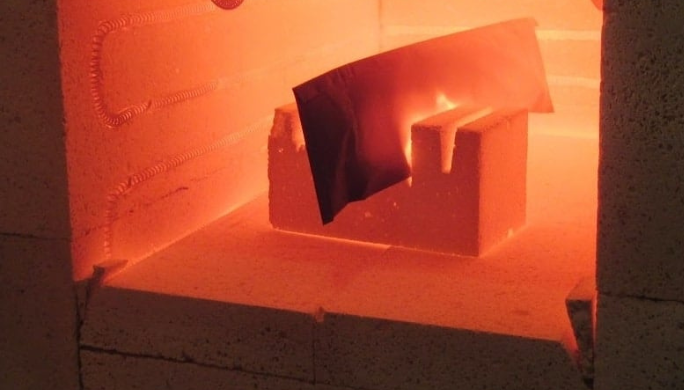
    A forge concentrates intense heat to bring a small area of metal to forging temperature for hammering and shaping. A kiln heats a larger chamber more evenly for firing or heat treating. For making knives, you forge the blade in a forge, then often heat treat it separately.

    Is a propane forge or a kiln-style forge better for bladesmithing?

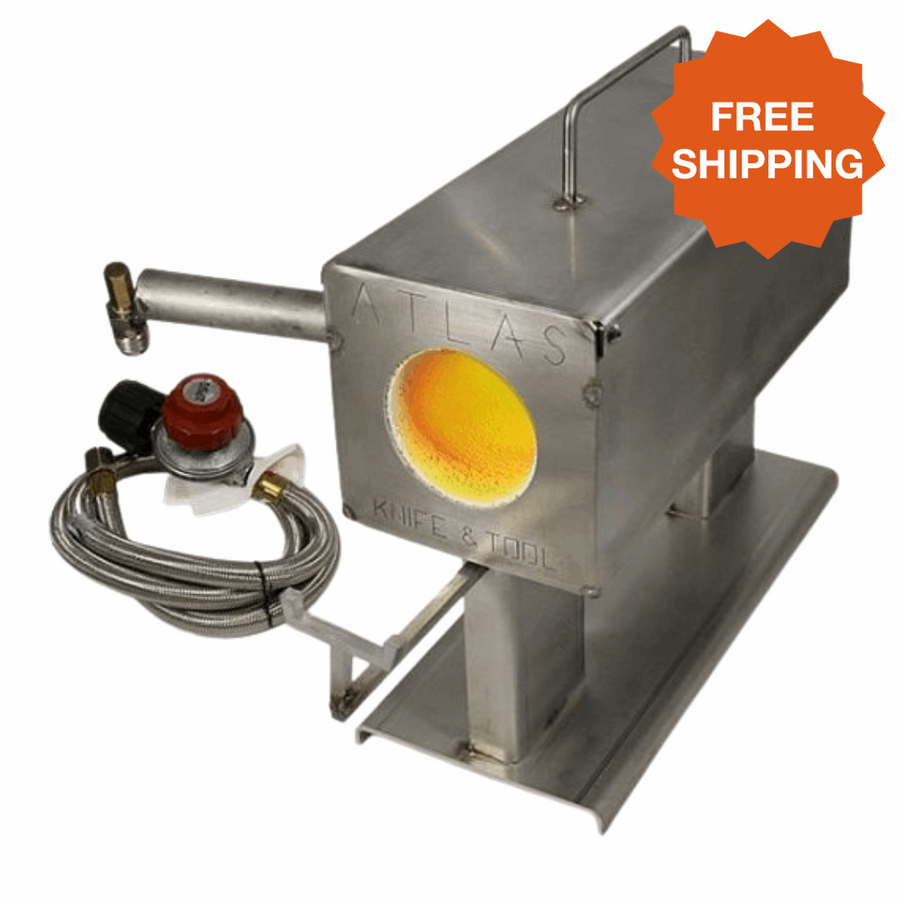
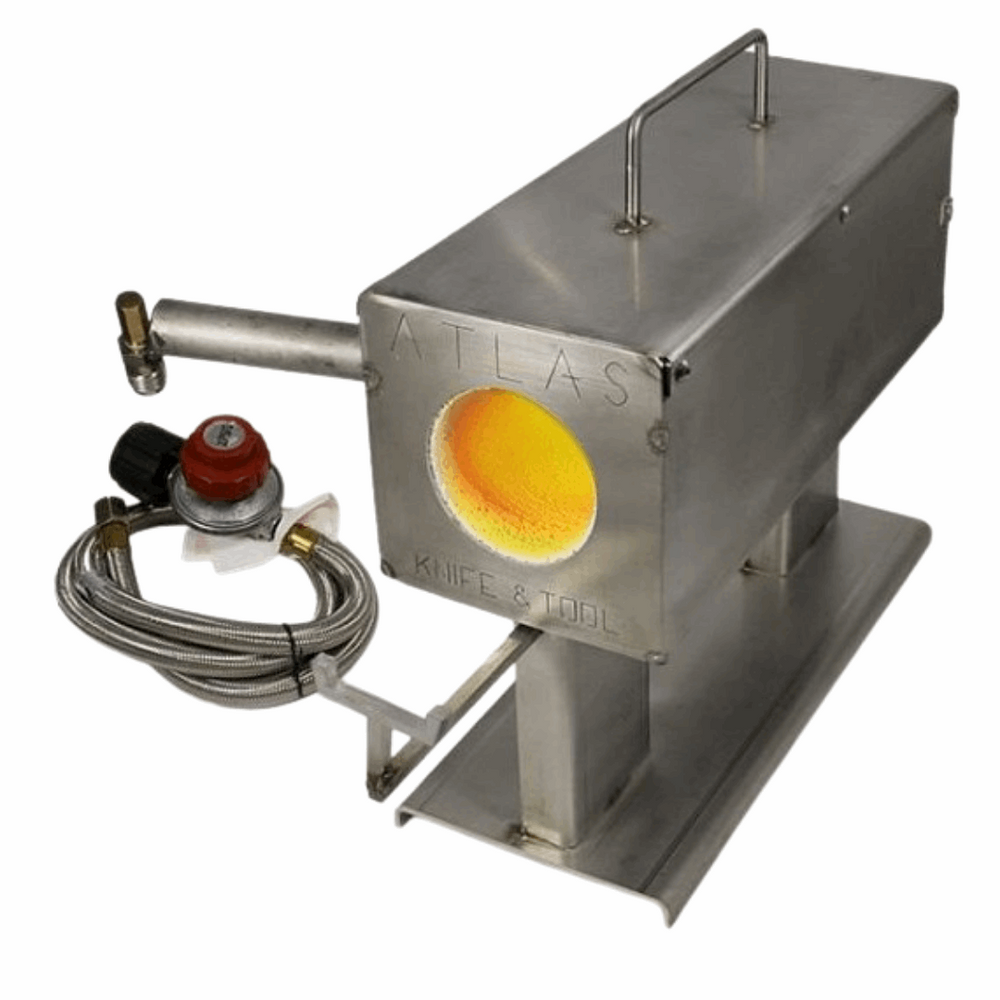
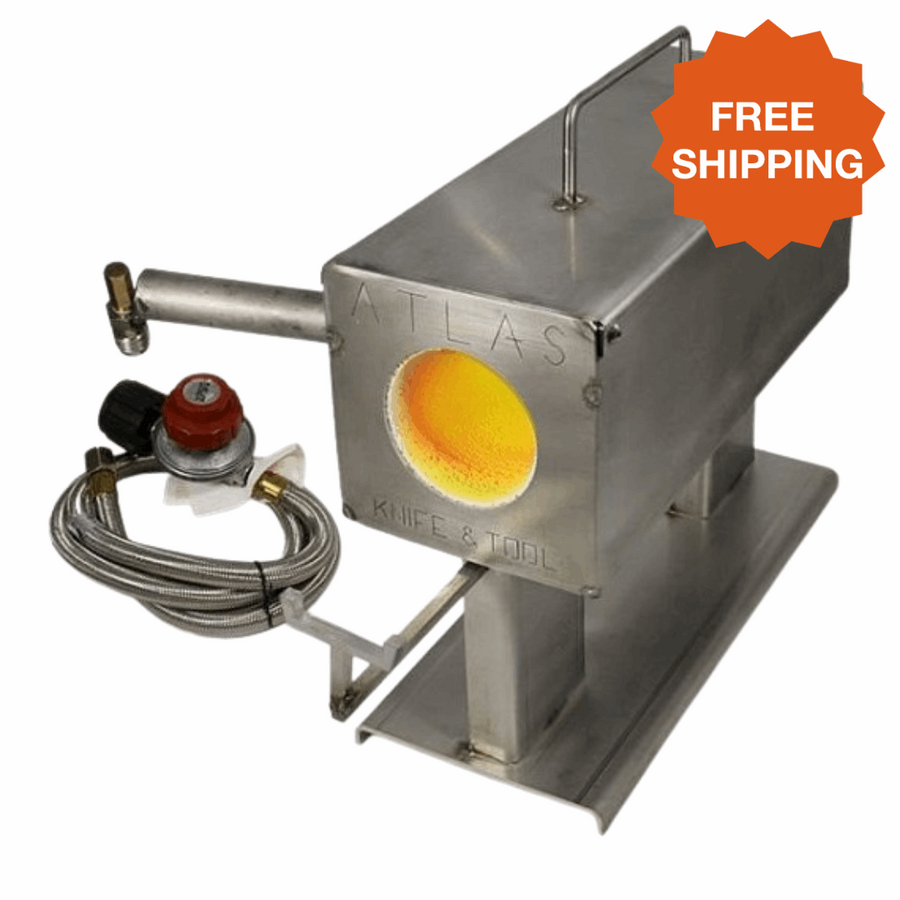
    A propane forge is the standard choice for bladesmithing because it heats quickly, runs on portable fuel, and reaches forging temperature for shaping steel. The Atlas forges in this collection are propane units sized for everything from small knife work to larger bladesmithing projects.