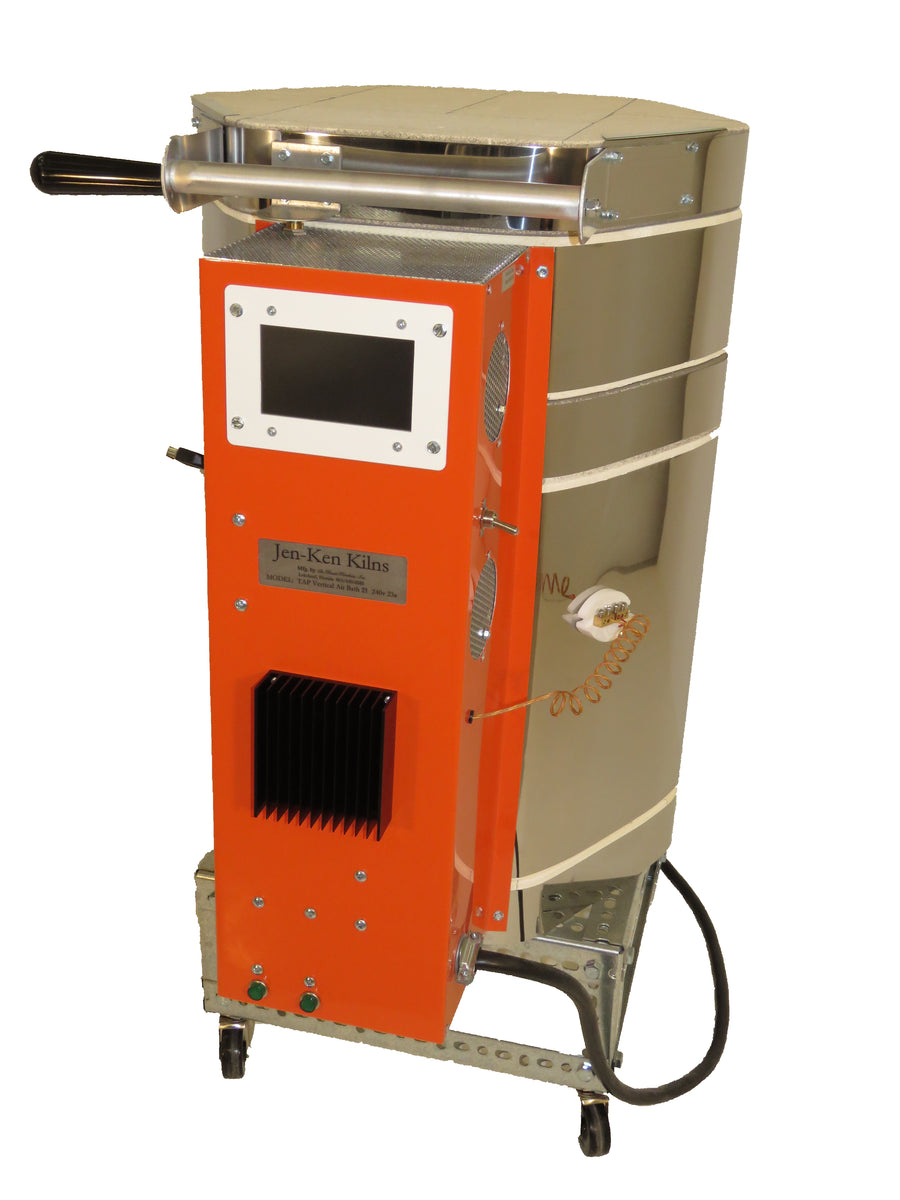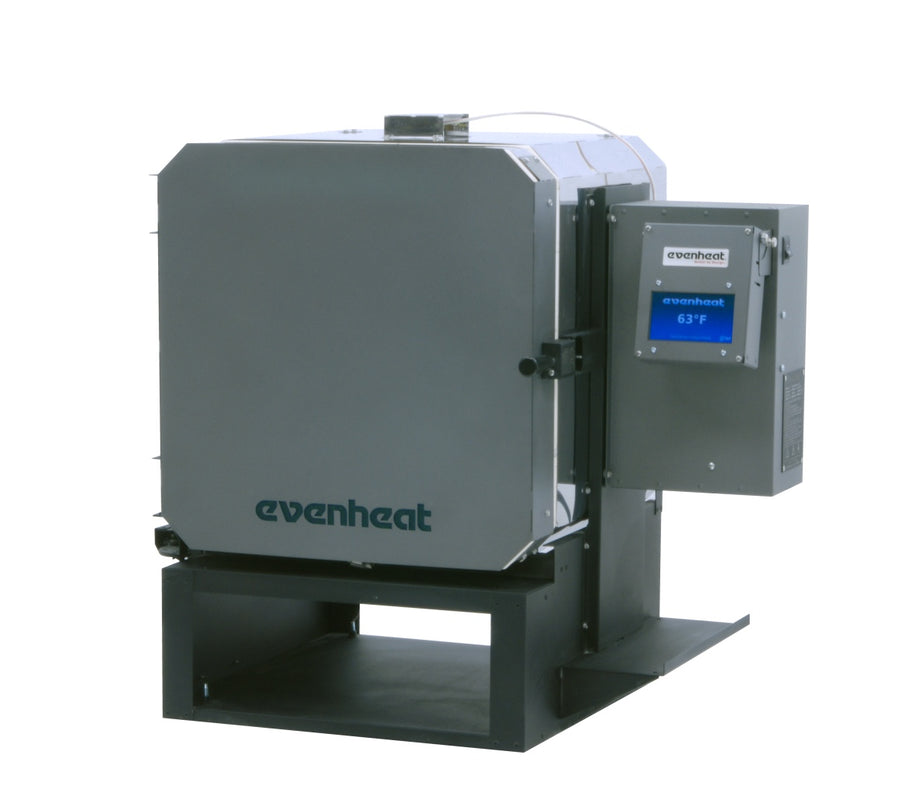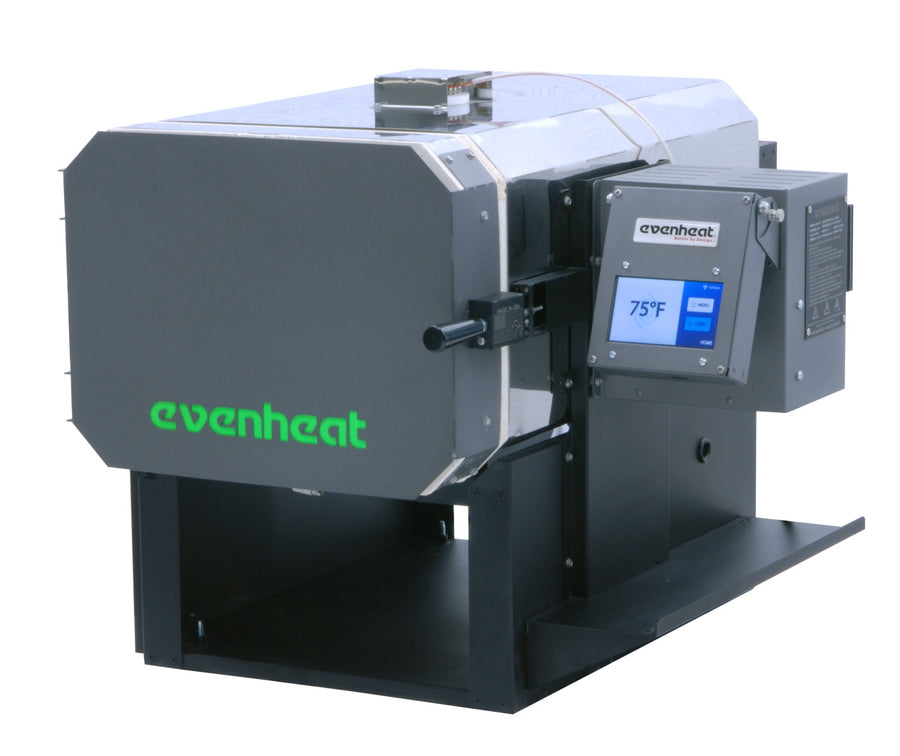




KNIFE / HEAT TREAT OVENS

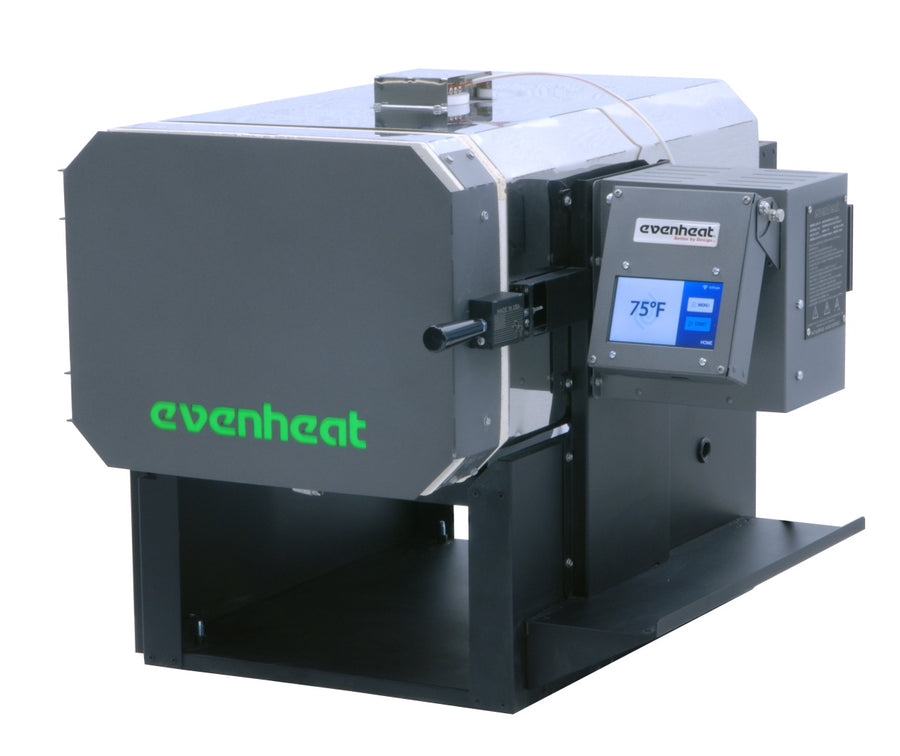
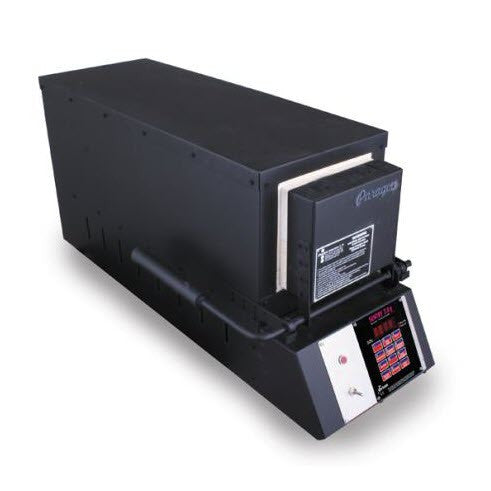
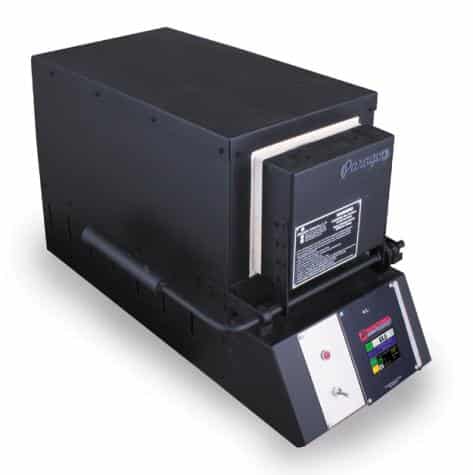
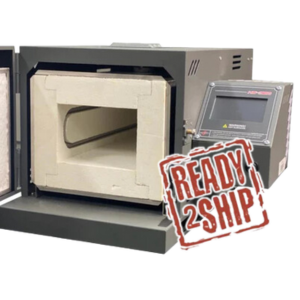
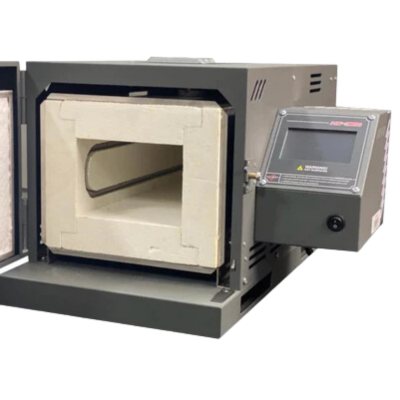
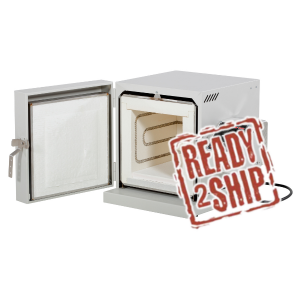
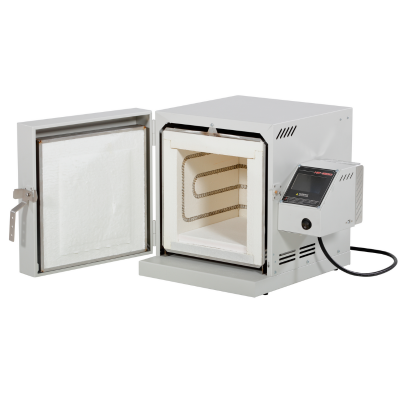
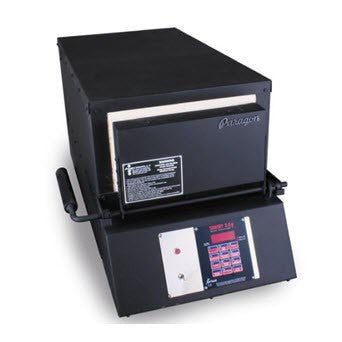
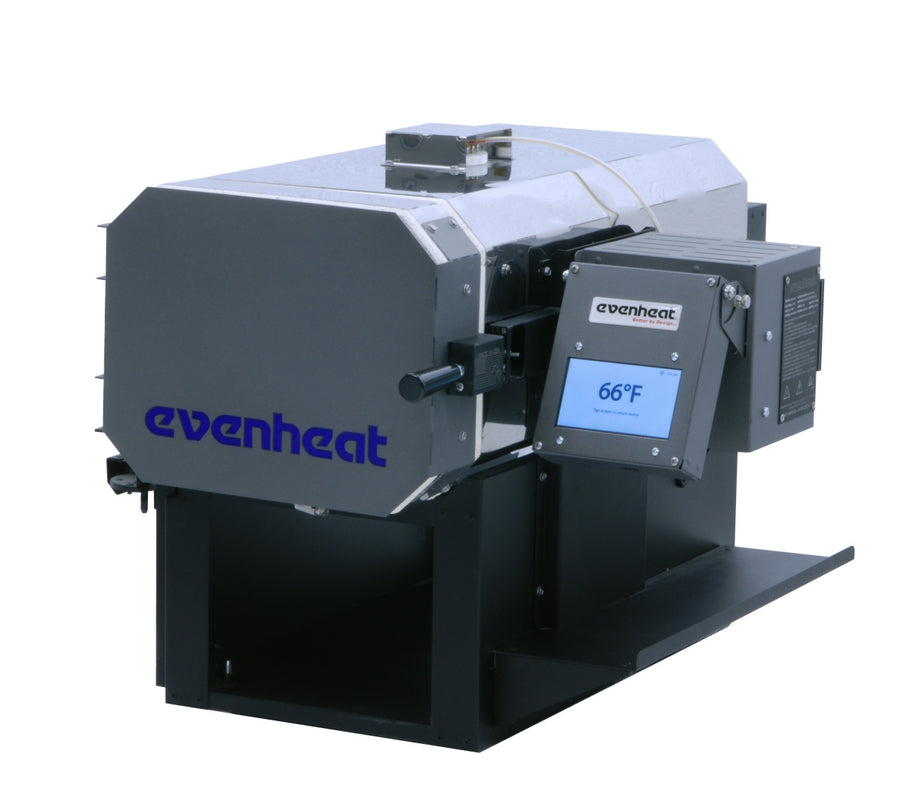
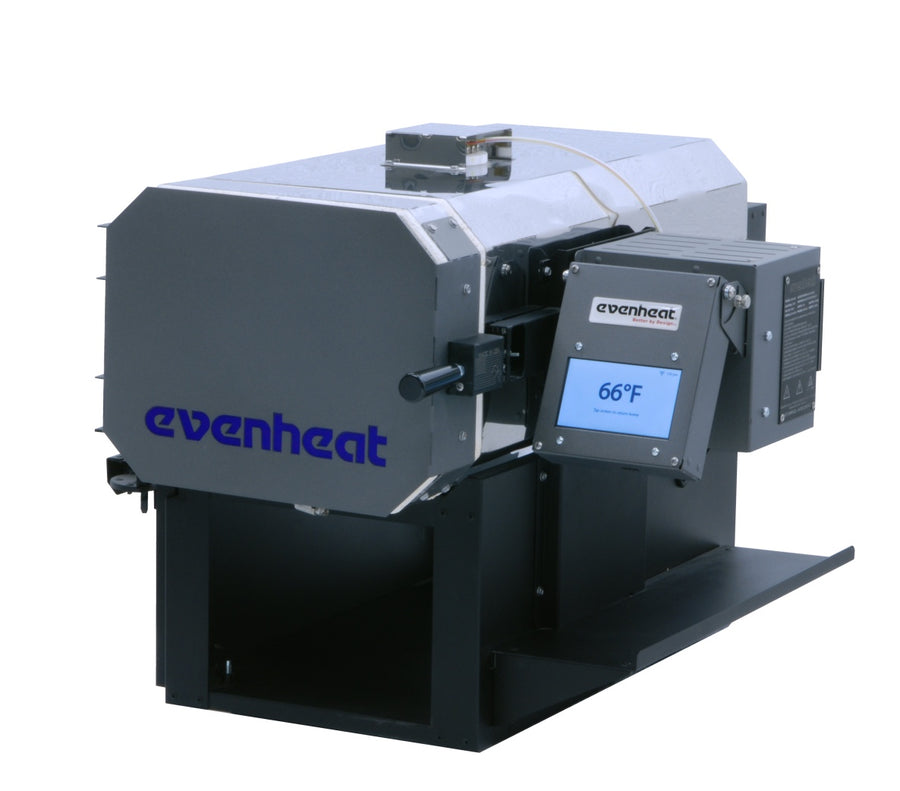
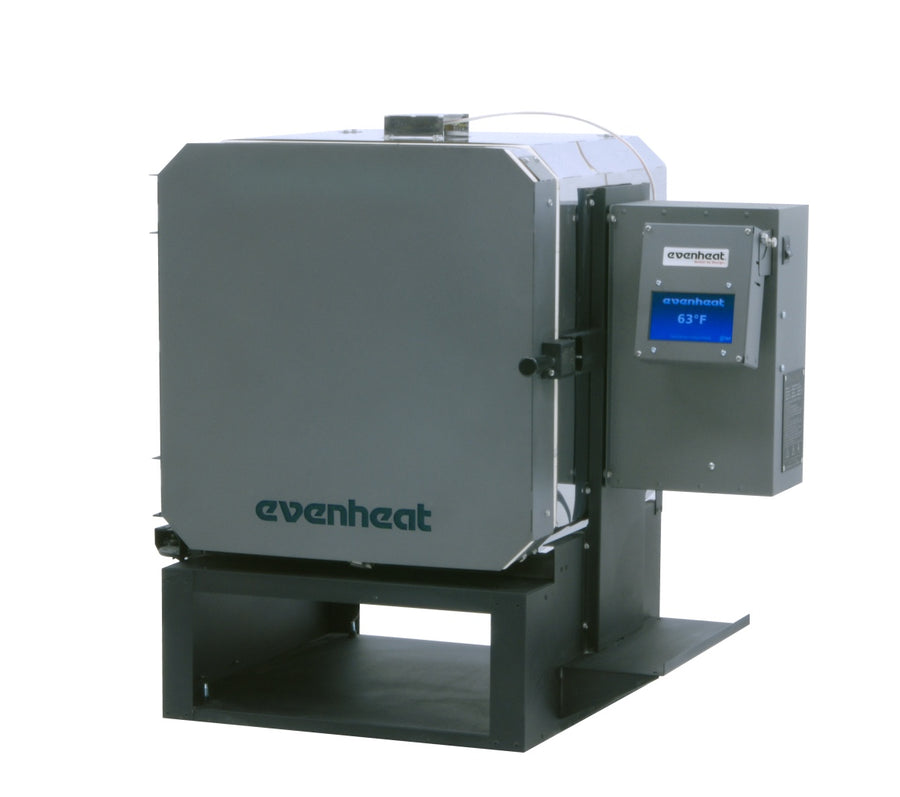
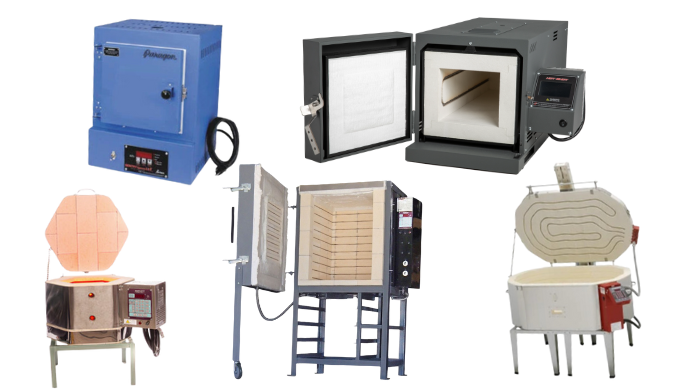
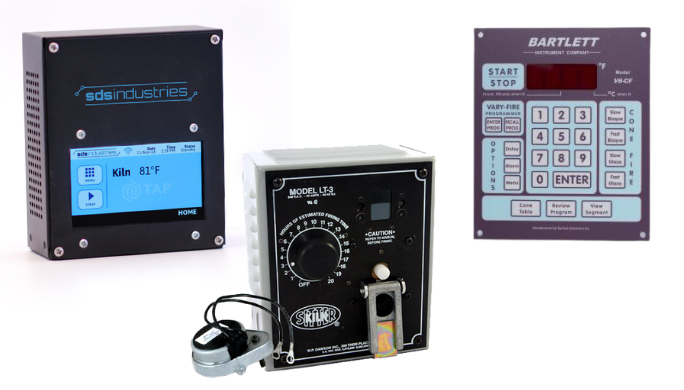
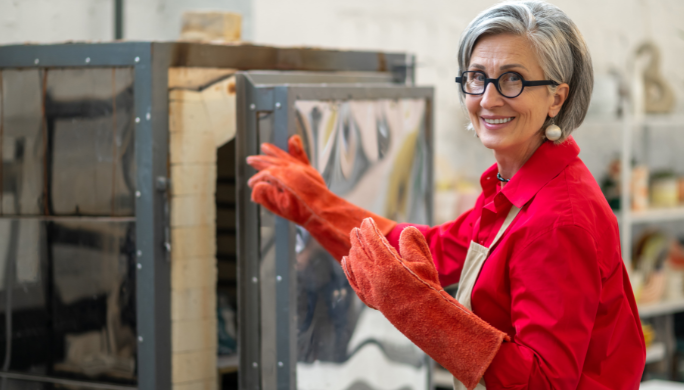
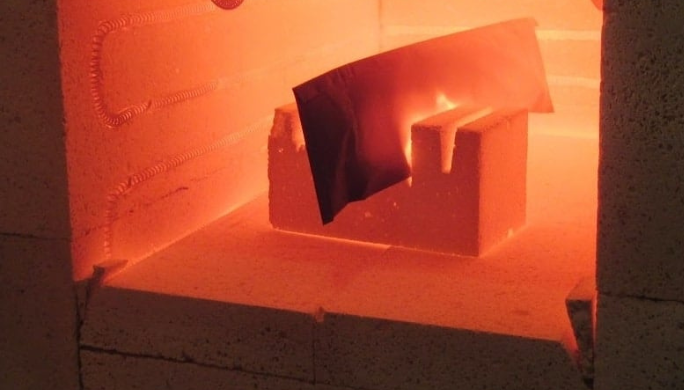
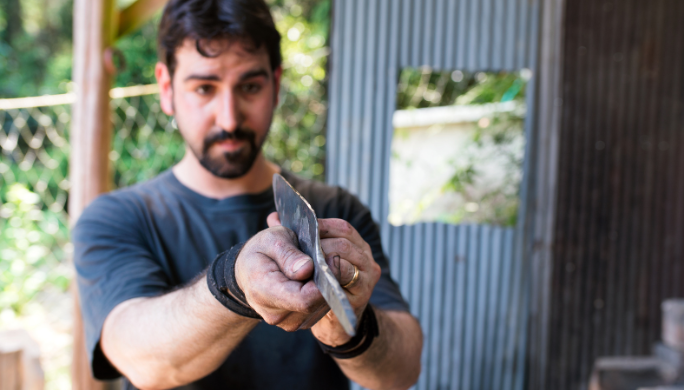
Knife Kiln or Blade Kiln vs. Heat Treating Furnace vs. Heat Treat Oven? These names refer to a fireproof box that gets hot. No matter what you call it “the box” needs to have the capability to get to the desired temperature and stay there for the prescribed amount of time. That box or chamber must also have the ability to heat and cool down at the prescribed rate for the particular processes required. Most importantly, it must be safe, easy to operate, and last a long time. Whether it's for hobby or industrial use, our heat treating ovens and kilns are used primarily for processes called tempering, annealing, normalizing, or quenching, making them a reliable tempering oven for knife and metal work. They make a dependable knife oven and kiln for knife making - bladesmiths rely on precise heat treating to give their blades hardness and a lasting edge. These processes are all more reliably achieved with a heat-treat oven and are the standard in most metal production facilities.
So how do you make your choice?

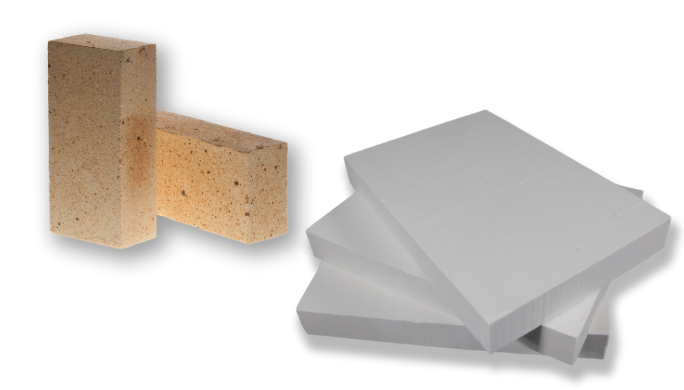
  • how much space you need,
  • what temperature do you need to go to and how long to hold...
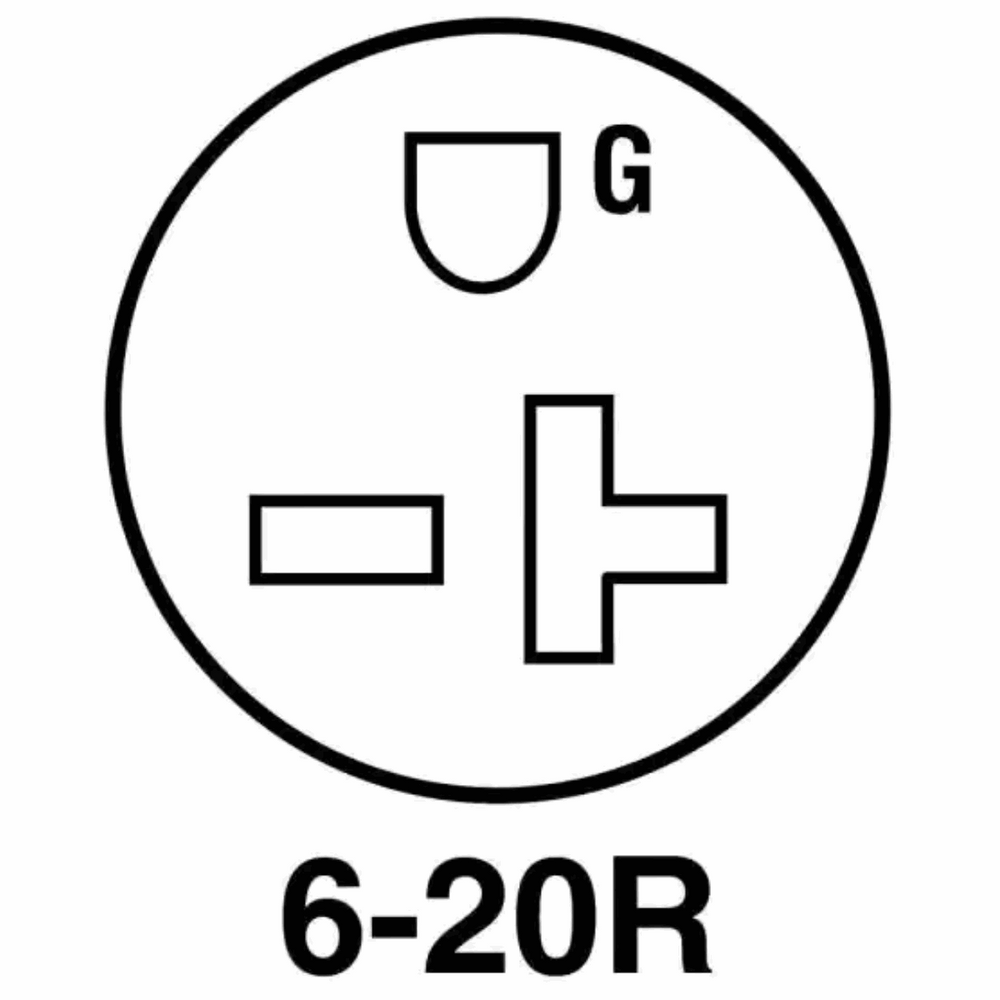
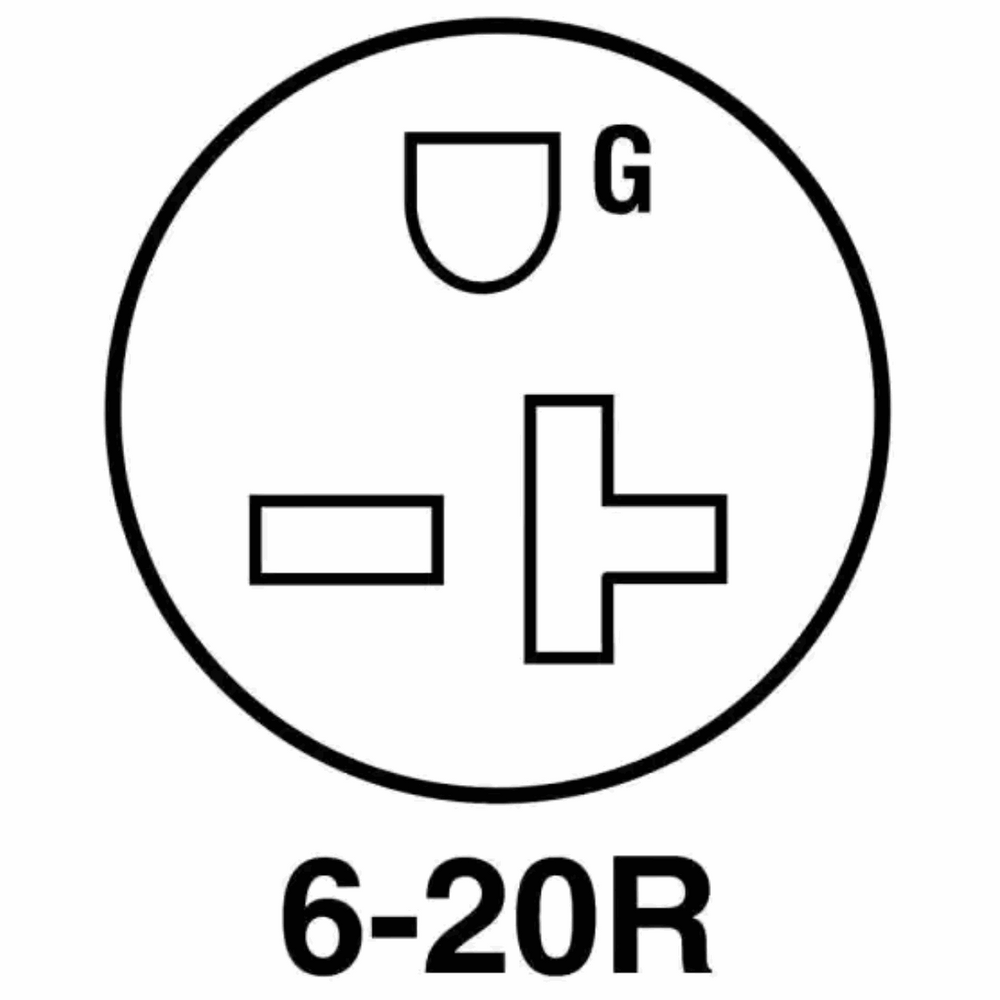
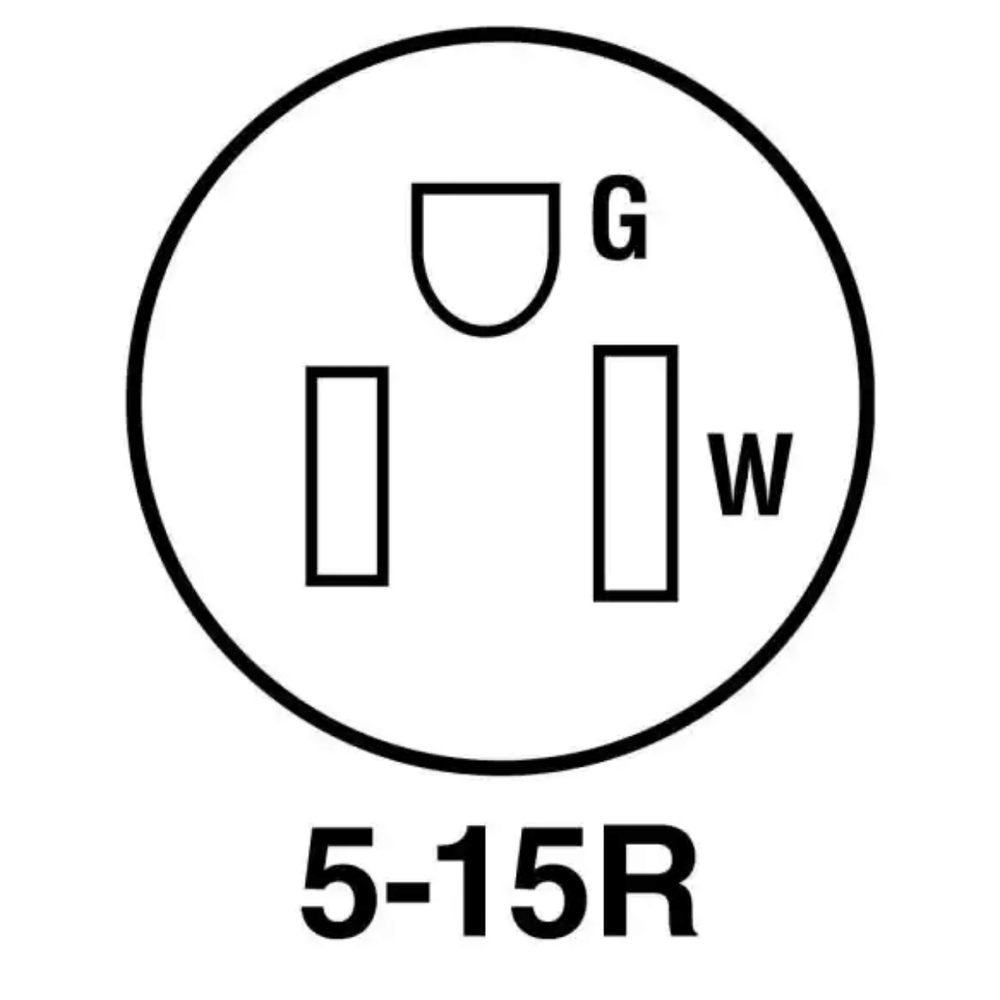
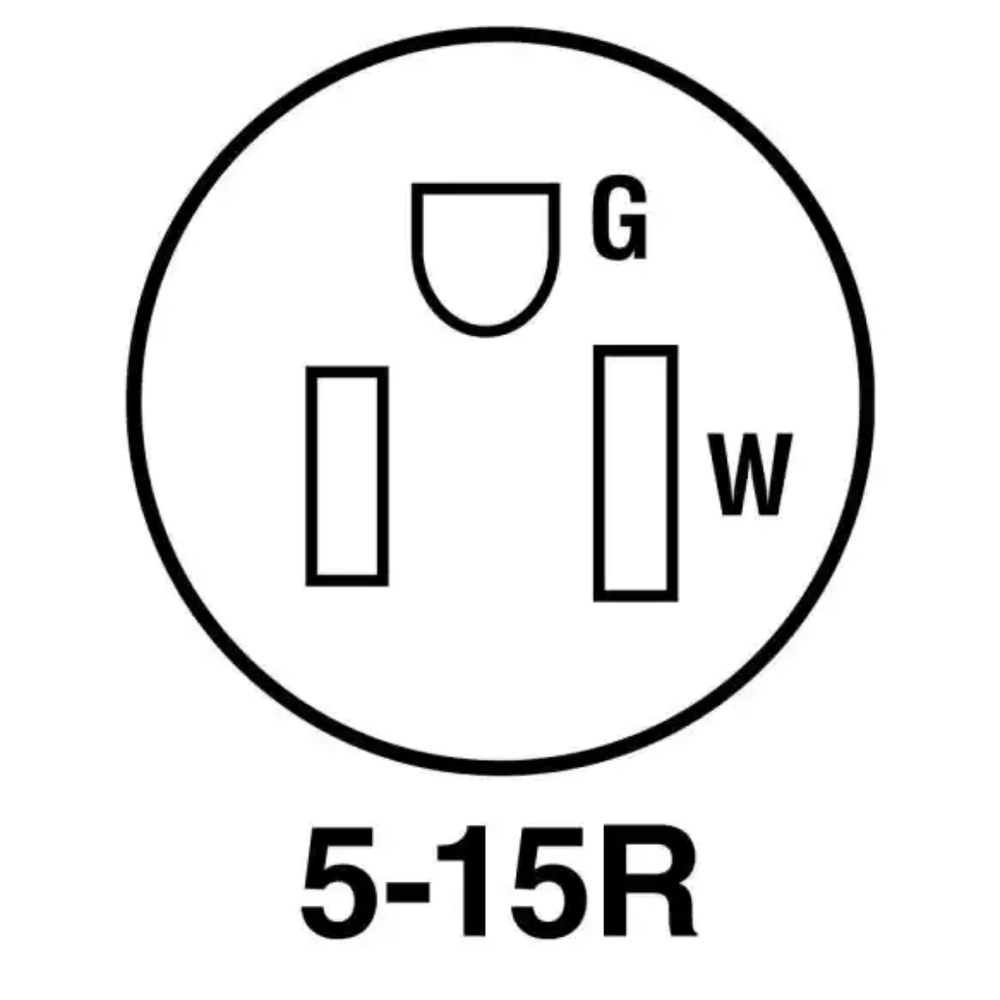
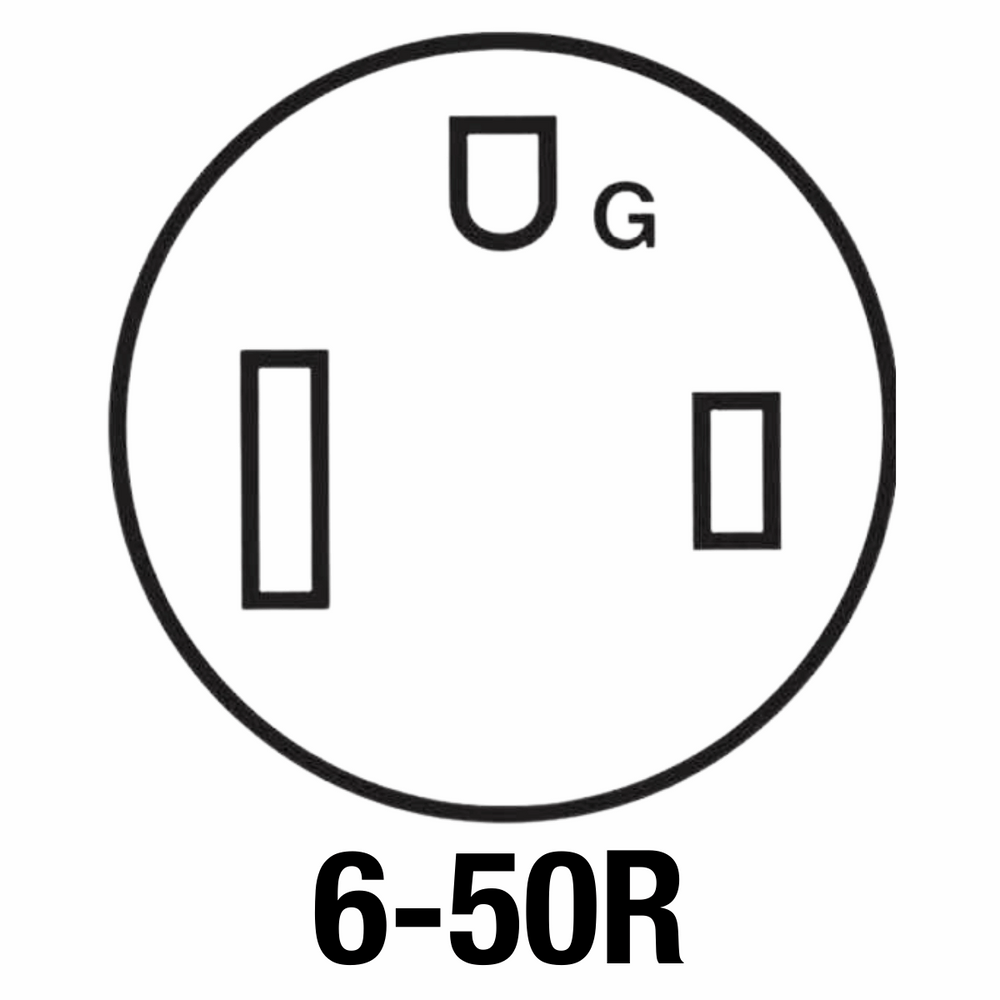
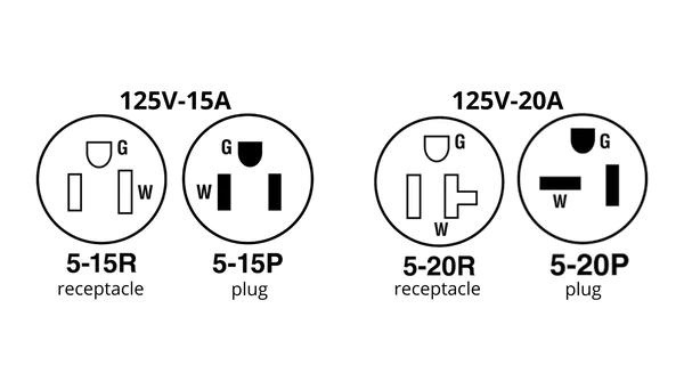
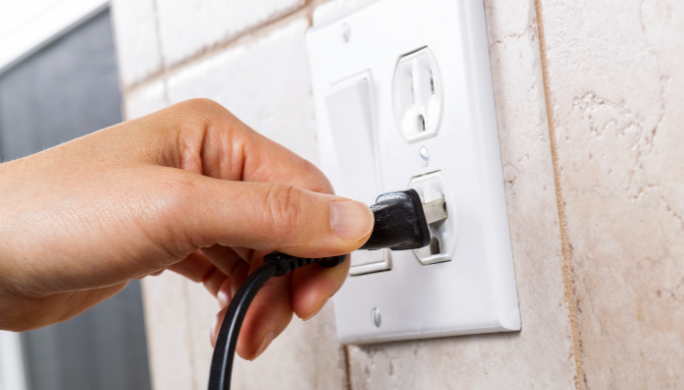
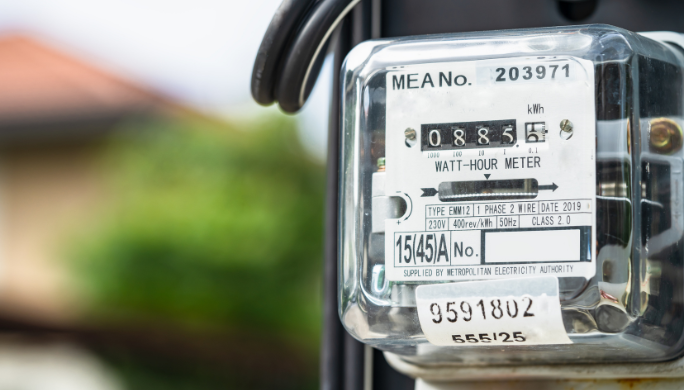
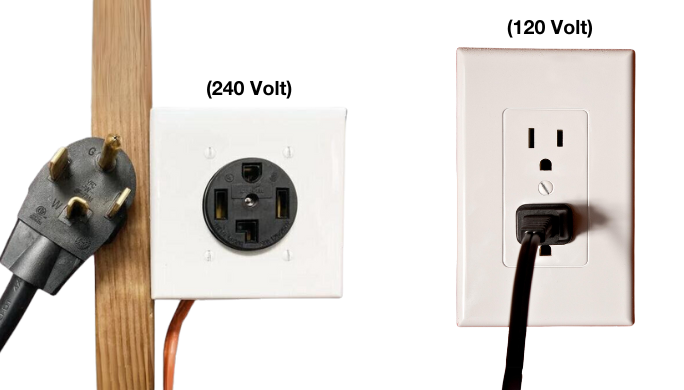
  • and lastly, where can you plug it in? (How much juice do you have?)

Here is a link to a guide that you can use as a reference: The Heat-Treating Data eBook

    Frequently Asked Questions

    Frequently Asked Questions for Small Kilns
    Can you fire a small kiln at home on a standard outlet?

    Yes. Most small kilns run on a standard 120V household outlet, which is what makes them practical for home and (sometimes) apartment use. Larger models may need a dedicated 240V circuit, so always confirm the voltage and amperage of a specific kiln before buying.

    How much does a small kiln cost?

    Small tabletop and mini kilns generally cost less than full-size studio kilns because they use less material and power. Pricing varies by chamber size, temperature rating, and controller type, so compare the listings in this collection rather than relying on a single figure.

    What is the best small kiln for pottery at home?

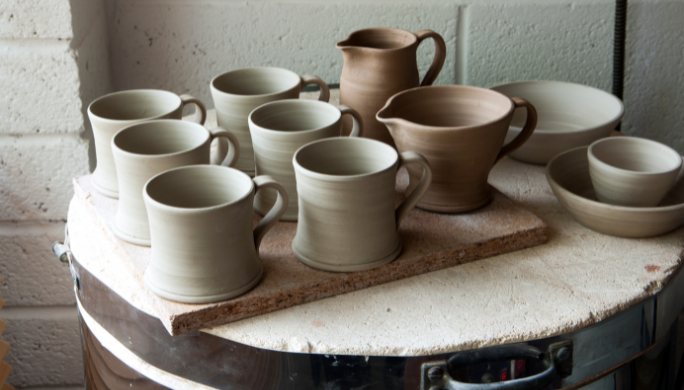
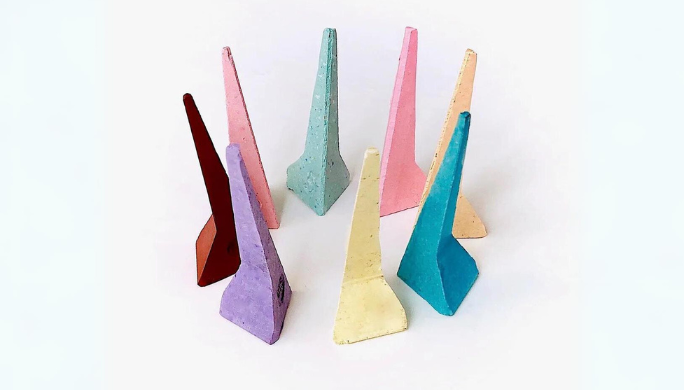
    The best small pottery kiln is the one that fits your space, electrical supply, and the cone temperature your clay needs. Look for a model that reaches at least cone 6 if you fire stoneware, a programmable controller for repeatable results, and a footprint that suits a tabletop or studio corner.

    Is a portable kiln practical for a small home studio?

    A portable or compact kiln is practical when space and power are limited, since many weigh little and plug into a standard outlet. Place it on a heat-safe surface with clearance around it for ventilation, and keep it away from walls and flammable materials while firing.

    Are tabletop and mini kilns good for ceramics and clay?

    Yes. Tabletop and mini kilns fire clay, ceramics, glass, and small test pieces, and they are popular with hobbyists, jewelers, and teachers. They hold fewer pieces than a studio kiln, so they suit small batches, samples, and home projects rather than high-volume production.

    Frequently Asked Questions for Heat Treat Kilns
    What is a heat treat oven used for?

    A heat treat oven brings steel to precise temperatures to harden, normalize, or temper it, which is essential in knife making and bladesmithing. Unlike a forge, a heat treat oven holds an exact, programmable temperature so blades reach the correct hardness consistently.

    What is the best heat treat oven for knife making?

    The best knife heat treat oven holds tight temperature accuracy, reaches at least 2000°F to 2350°F for common blade steels, and has an interior long enough for your blades. A programmable controller for ramp and soak stages matters more than raw size for clean, repeatable results.

    What is the difference between a heat treat oven and a tempering oven?

    A heat treat oven reaches high hardening temperatures, often above 2000°F, while tempering happens at much lower temperatures, typically 300°F to 600°F, to reduce brittleness after quenching. Many makers use one accurate oven for hardening and a separate lower-range oven or unit for tempering.

    Can a heat treat oven temper swords and long blades?

    Yes, if the chamber is long enough. Tempering ovens for swords need an interior that fits the full blade length without bending it. Check the listed interior dimensions against your longest work before buying, since sword-length capacity is the main constraint.

    What size heat treat oven do I need for knives?

    Match the interior length to your longest blade plus clearance. A small heat treat oven suits most hunting and kitchen knives, while bladesmiths making swords or batches need a longer chamber. Buying for your typical blade size keeps heat-up time and running cost reasonable.