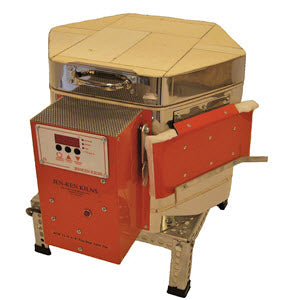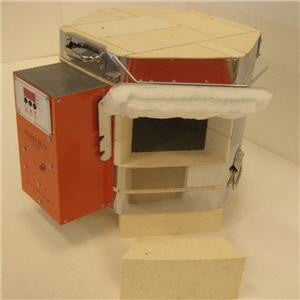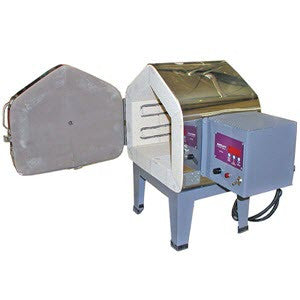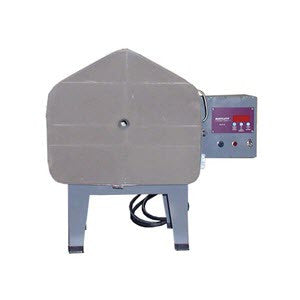




120V Kilns

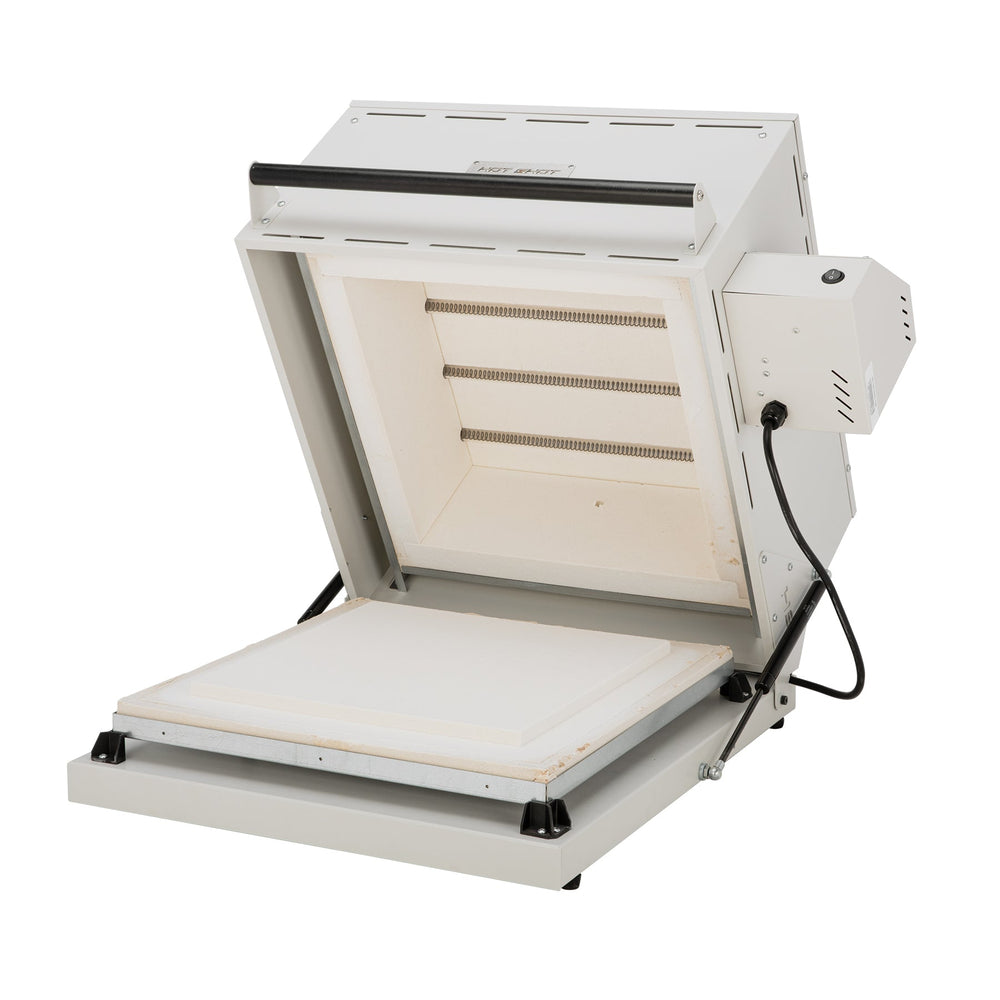
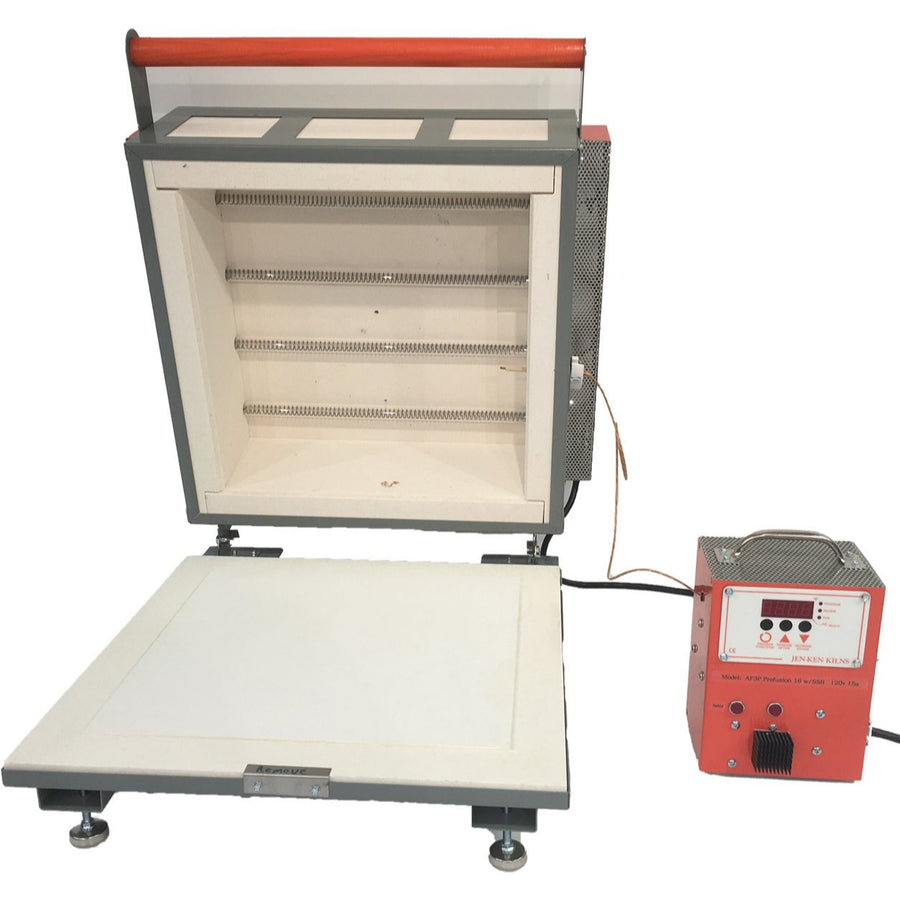
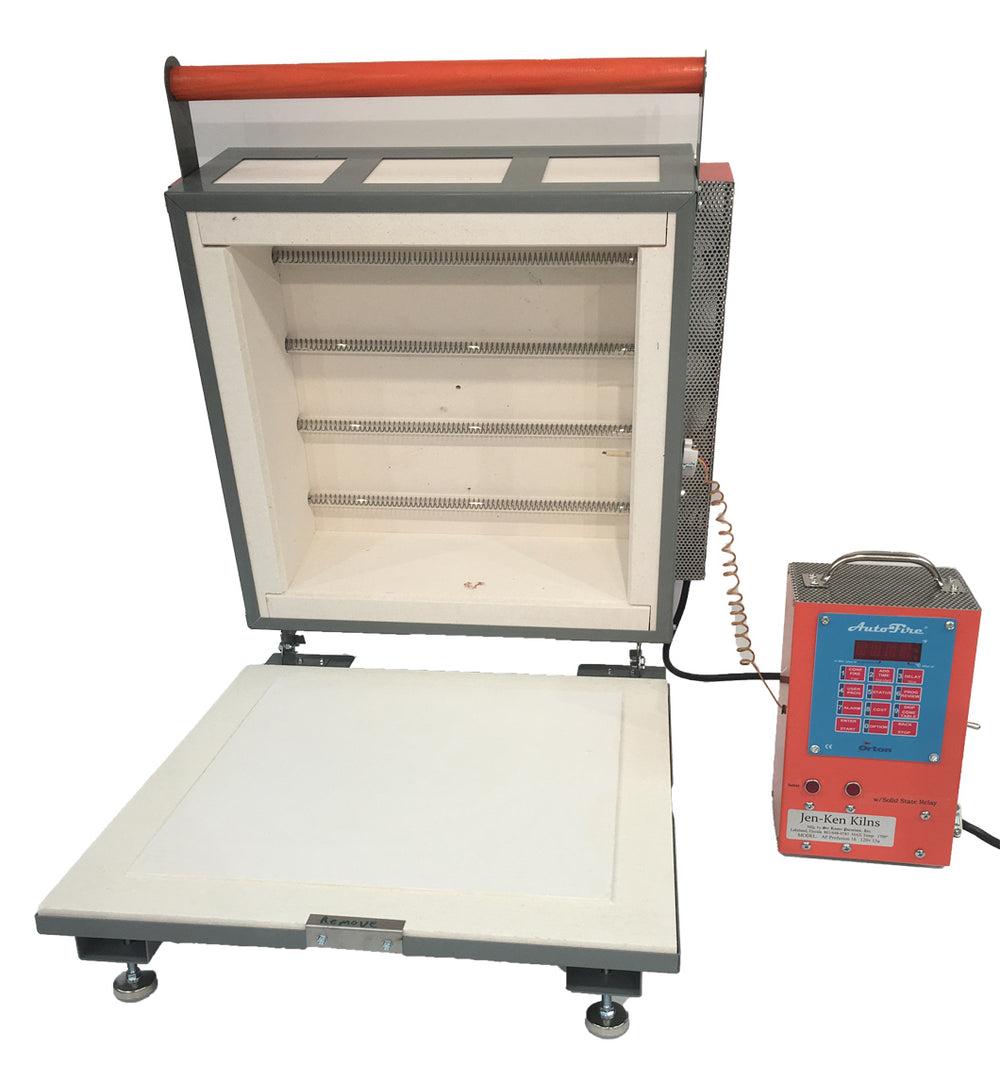
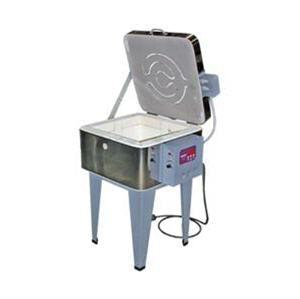
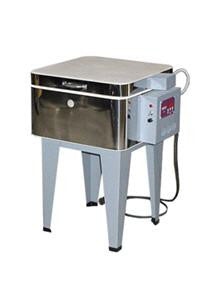
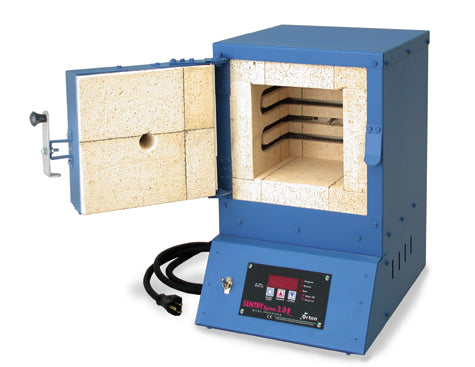
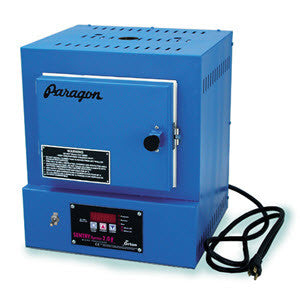
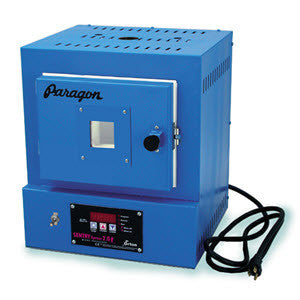
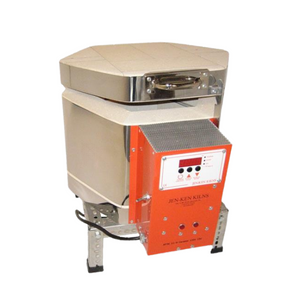
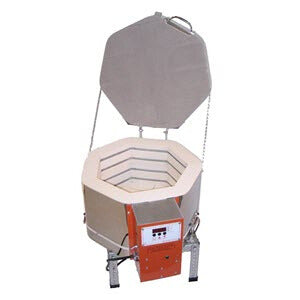
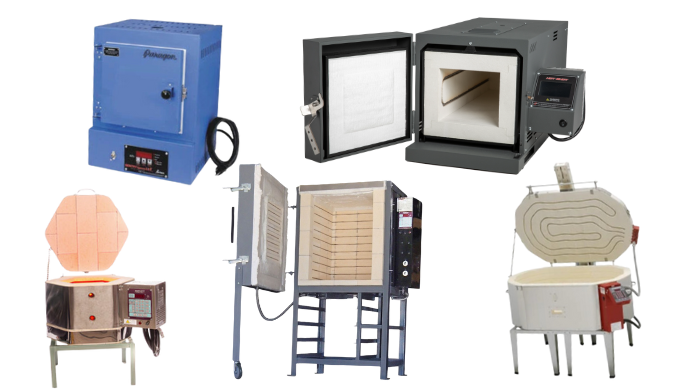
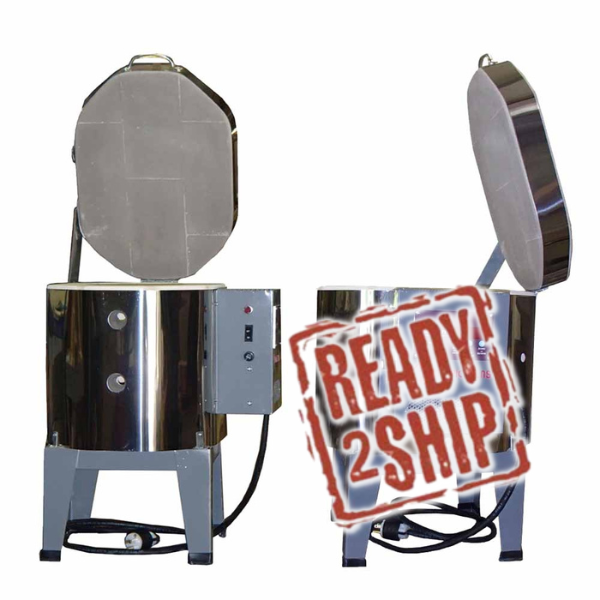
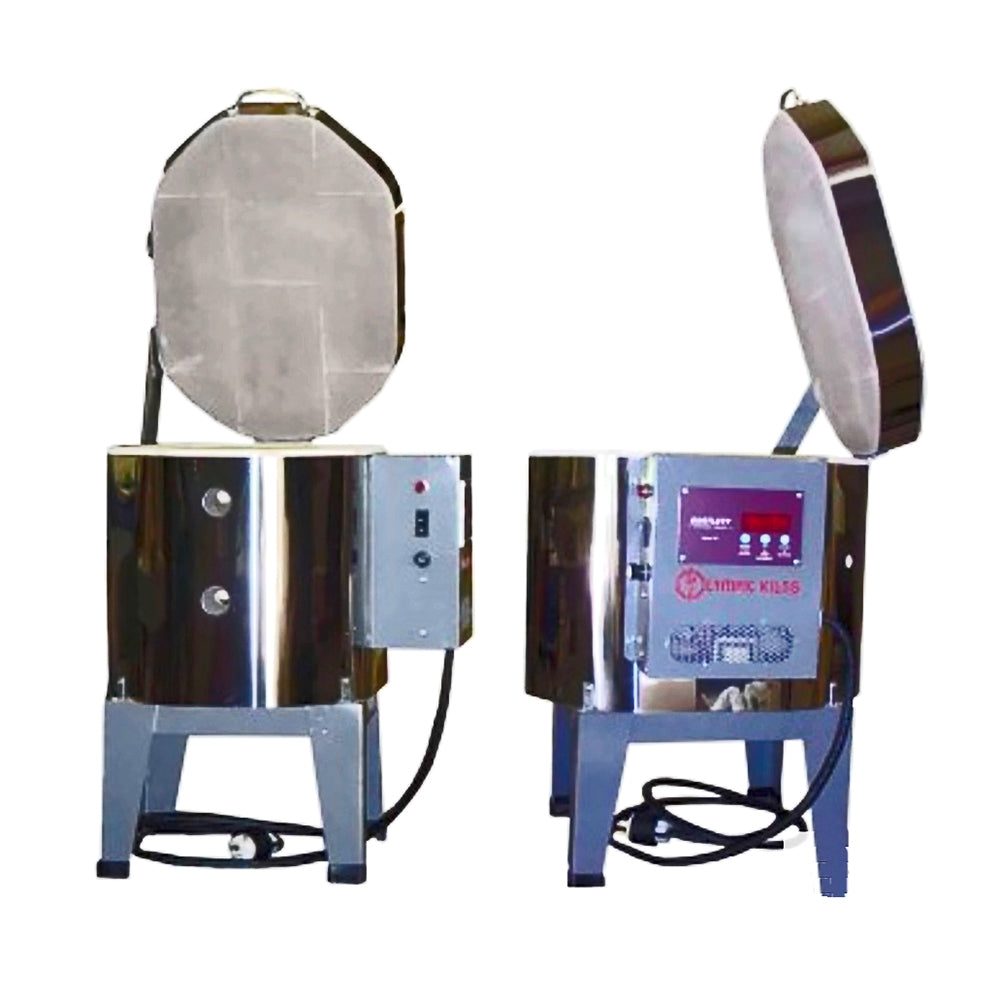
Finding the perfect 120V kiln (also called a 120 volt kiln) lets you set up a plug-and-play studio right at home. Ideal for glass fusing, metal clay, jewelry making, and small ceramic and pottery test batches, these compact 120V electric kilns make a great 120V ceramic kiln or pottery kiln without complex industrial wiring. without requiring complex industrial wiring.

Key Electrical Factors to Consider:

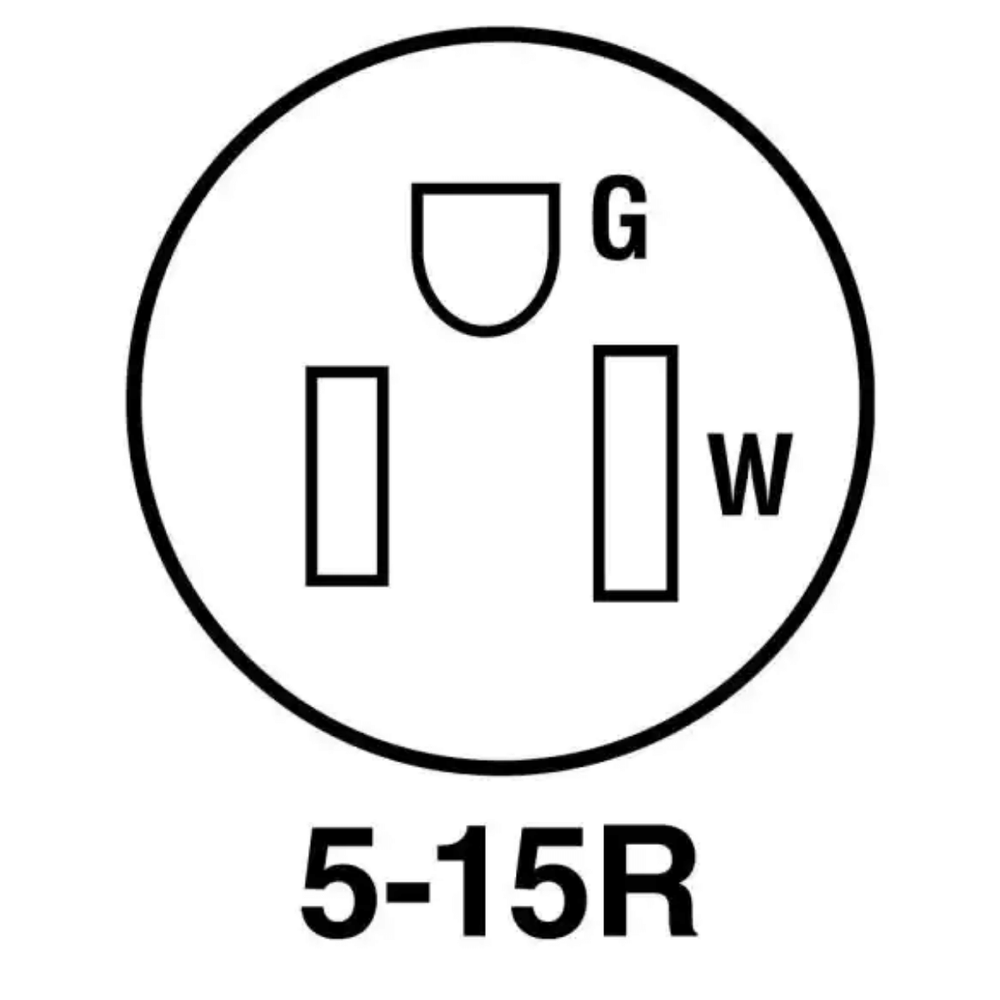
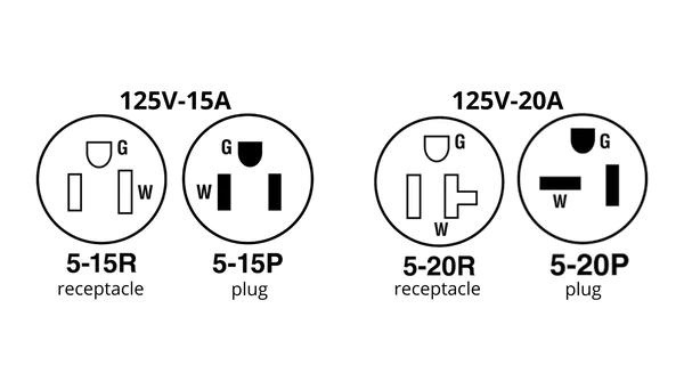
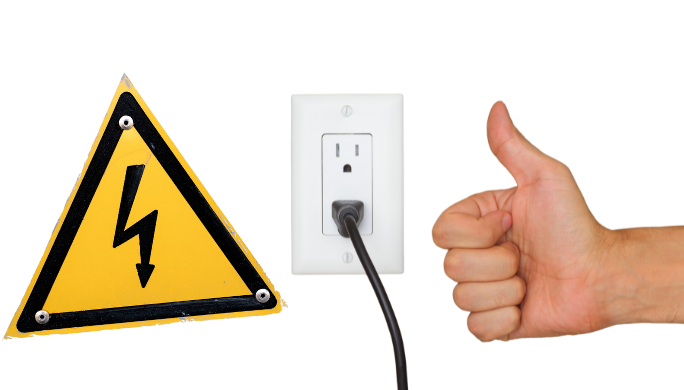
  • Standard Outlets vs. Dedicated Circuits: While some smaller 120V models (sometimes called 110V kilns) plug into standard household outlets, many high-performance 120V kilns require a NEMA 5-20 receptacle on a dedicated 20-amp circuit. This means no other appliances or lights can share the breaker, ensuring your kiln gets the consistent, uninterrupted power required to reach peak temperatures safely.
  • Maximum Temperature: Perfect for low-fire mediums, though select heavy-duty 120V models can handle high-fire ceramic testing.

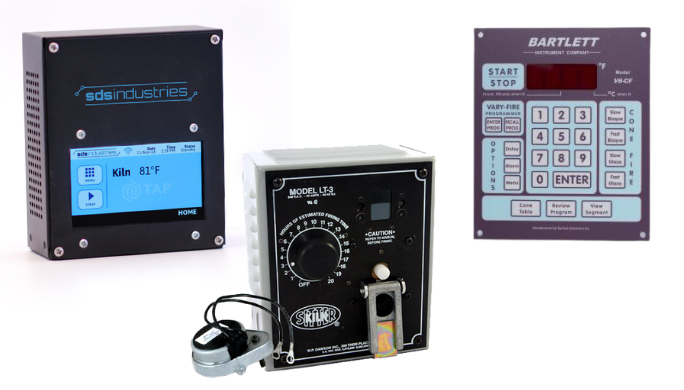
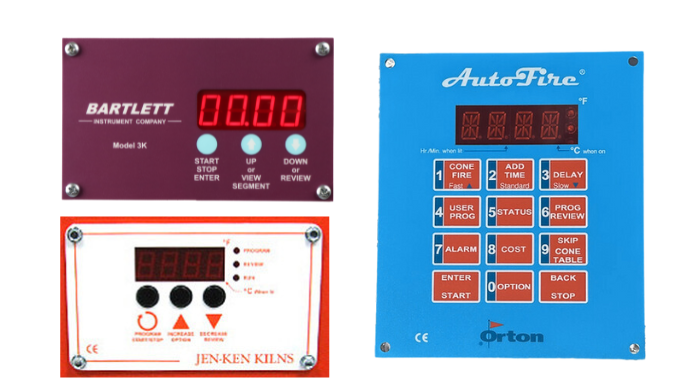
Need help verifying your home’s outlets or picking the right digital controller? Contact Kiln Frog at 361-596-3764 or customerservice@kilnfrog.com.
    Frequently Asked Questions

    Frequently Asked Questions for 120V Kilns
    Can a 120V kiln plug into a standard household outlet?

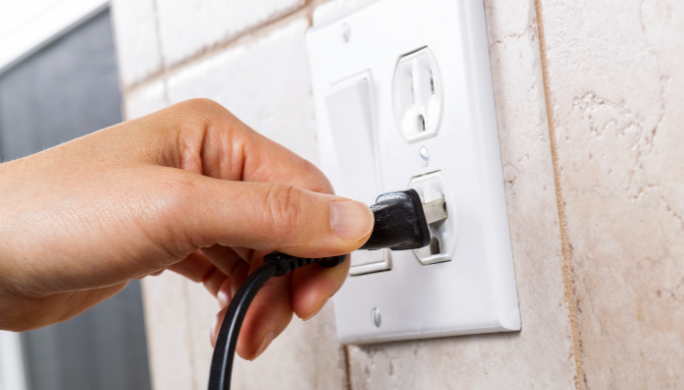
    Yes. A 120V kiln runs on a standard household outlet, which is the main reason people choose one. Confirm the kiln's amp draw against your circuit, since many 120V kilns need a dedicated 15 or 20 amp outlet to fire safely without tripping the breaker.
    What cone can a 120V pottery kiln reach?

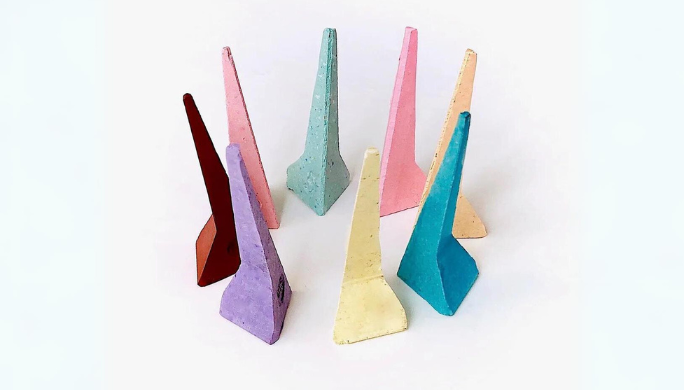
    Most 120V pottery kilns are designed to reach cone 5 or 6, which covers mid-range stoneware and many glazes. Some smaller models top out lower, so check each kiln's maximum cone rating. For consistent cone 10 firing, a 240V kiln is usually the better fit.

    Is a 120V kiln good for beginners?

    Yes. A 120V kiln is a popular starter choice because it plugs into a normal outlet, costs less to buy, and fits in a small space. It is well suited to test tiles, jewelry, small pottery, and learning firing schedules before moving up to a larger kiln.

    How many amps does a 120V electric kiln use?

    Many 120V electric kilns draw around 15 to 20 amps, so they need a dedicated circuit rather than sharing an outlet with other appliances. Check the specific model's amp and wattage rating, since a 3000W 120V kiln pushes near the limit of a standard 20 amp circuit.

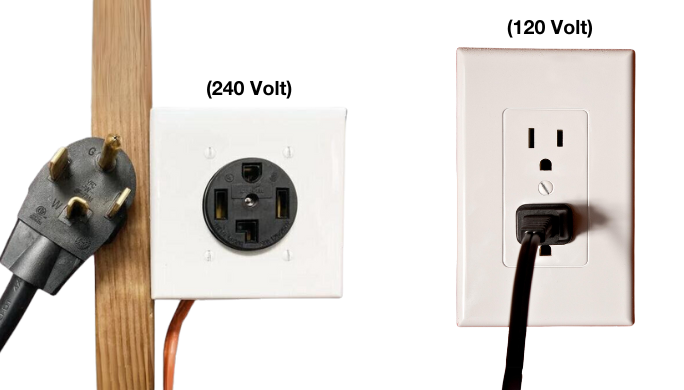
    What is the difference between a 120V and 240V kiln?

    A 120V kiln runs on a normal household outlet but fires smaller loads to lower top temperatures. A 240V kiln needs a dedicated high-voltage circuit but reaches higher cones, fires faster, and holds larger pieces. Pick 120V for convenience and 240V for capacity and hotter firing.