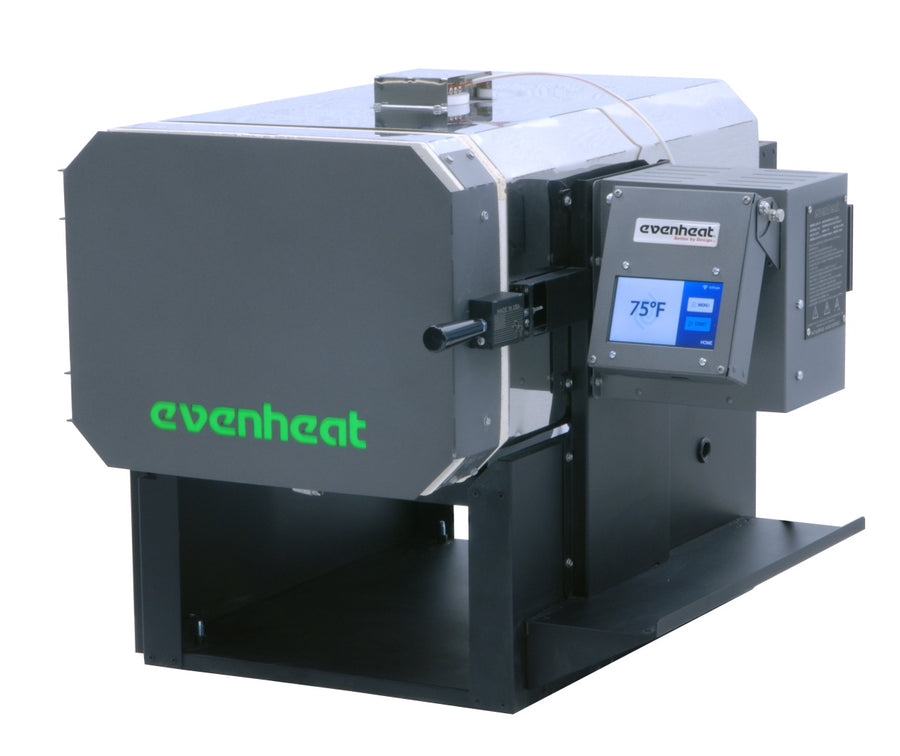
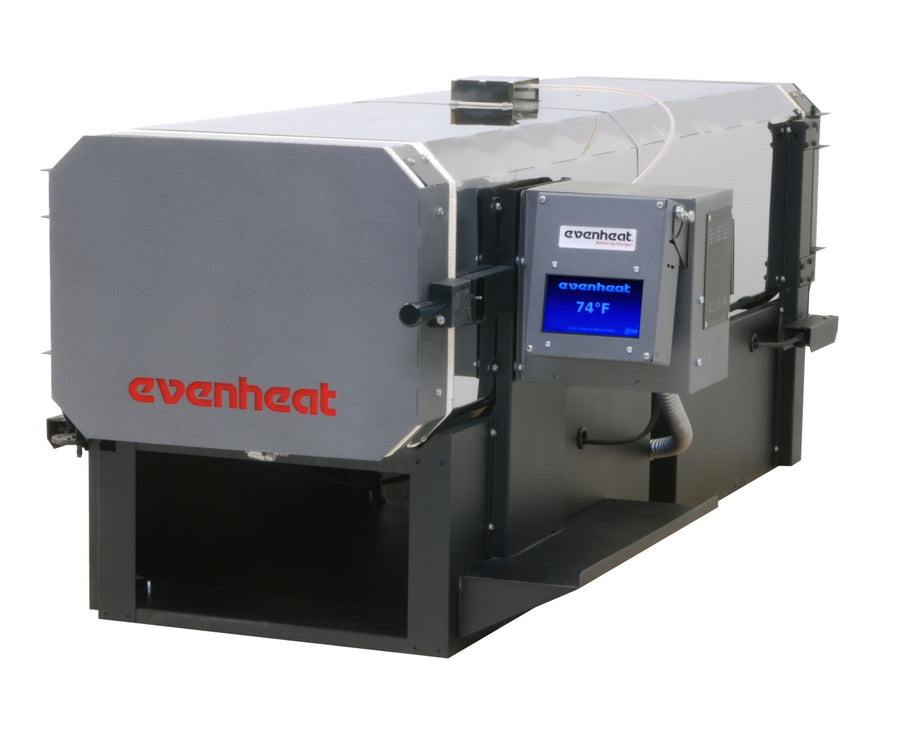
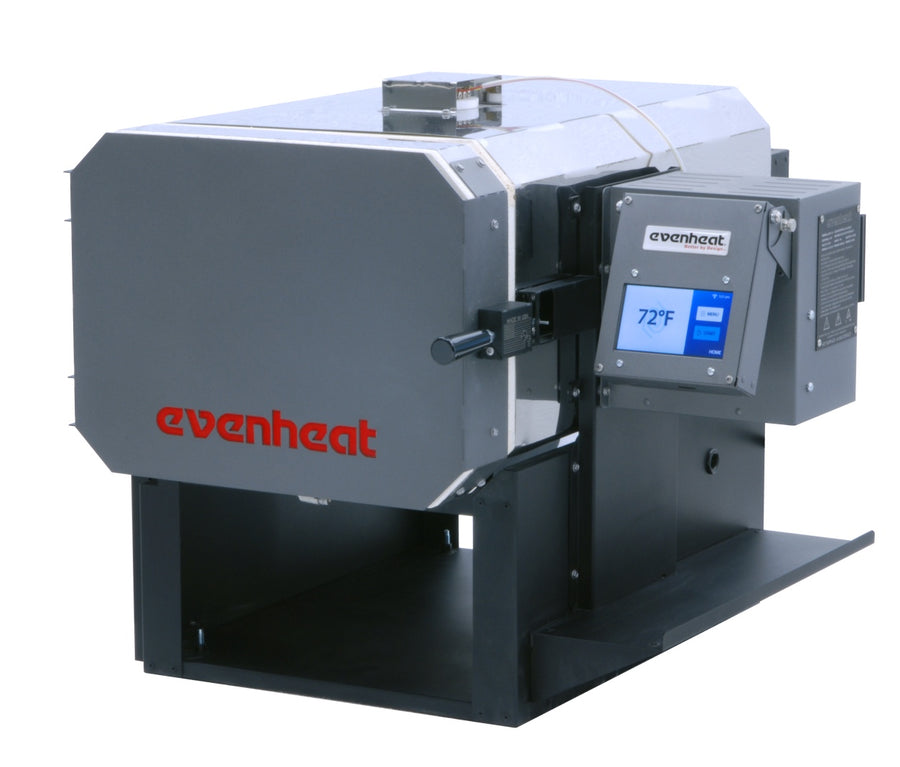
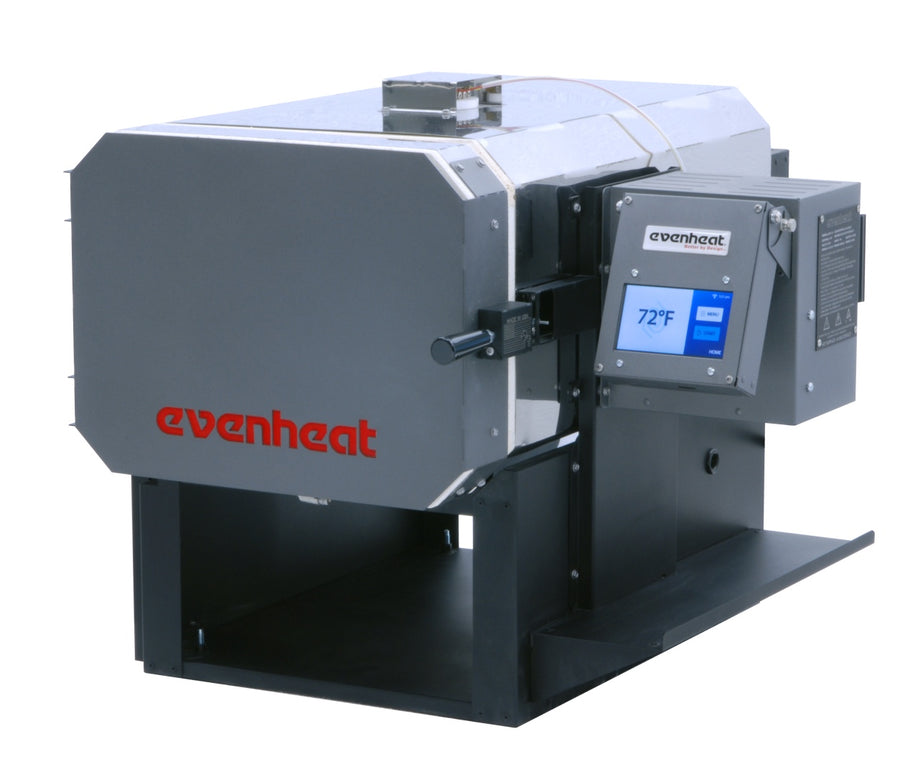
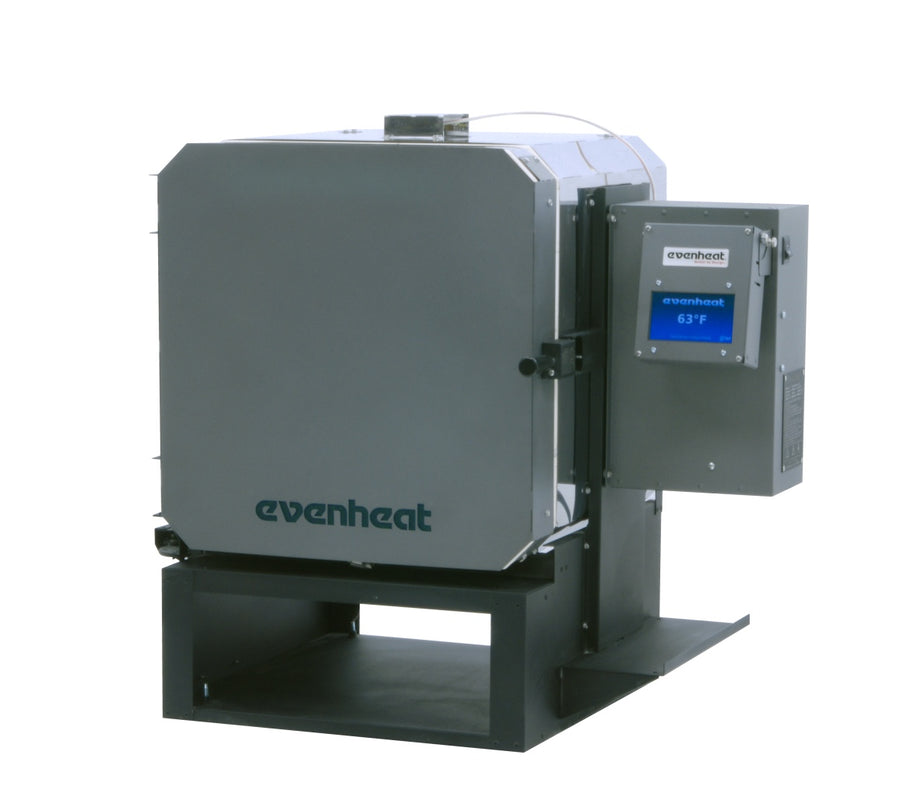
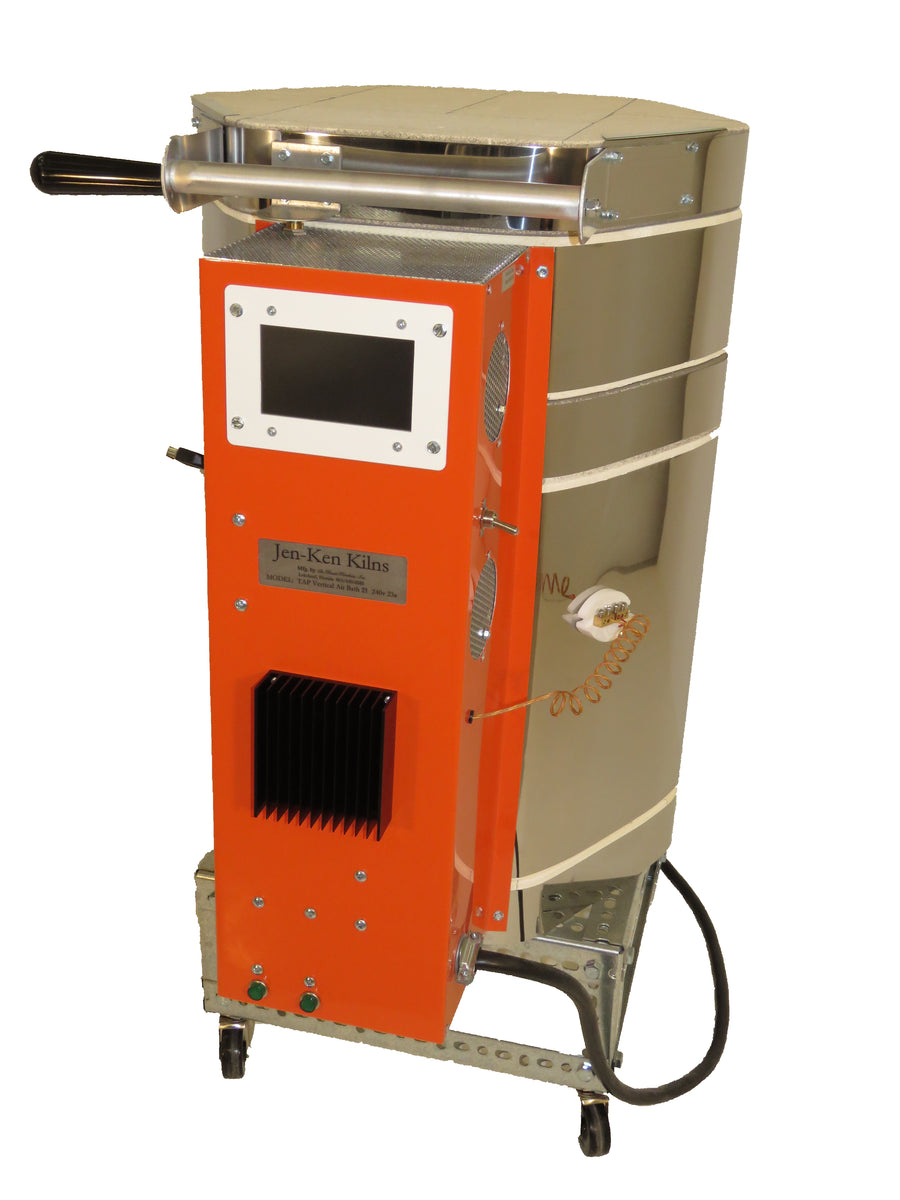
240v Kilns

265 products

    265 products

    Frequently Asked Questions:

    Frequently Asked Questions for 240V Kilns
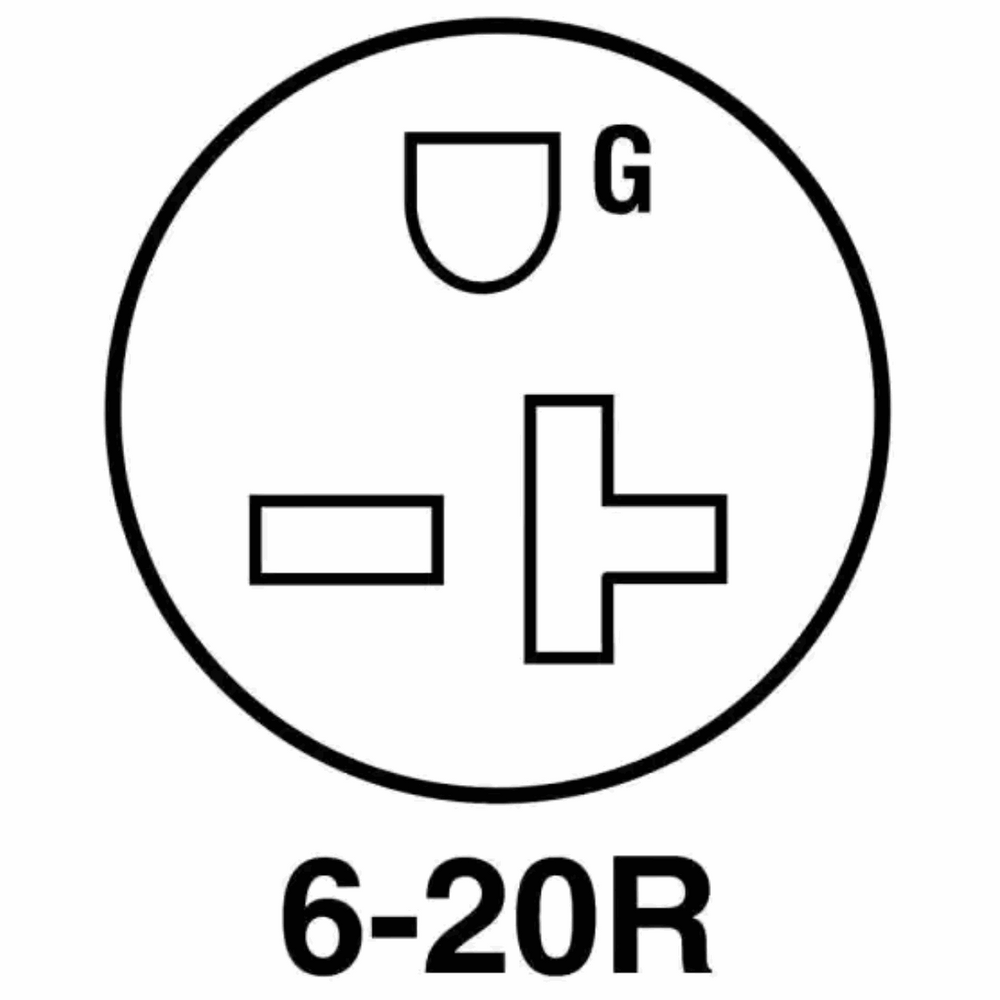
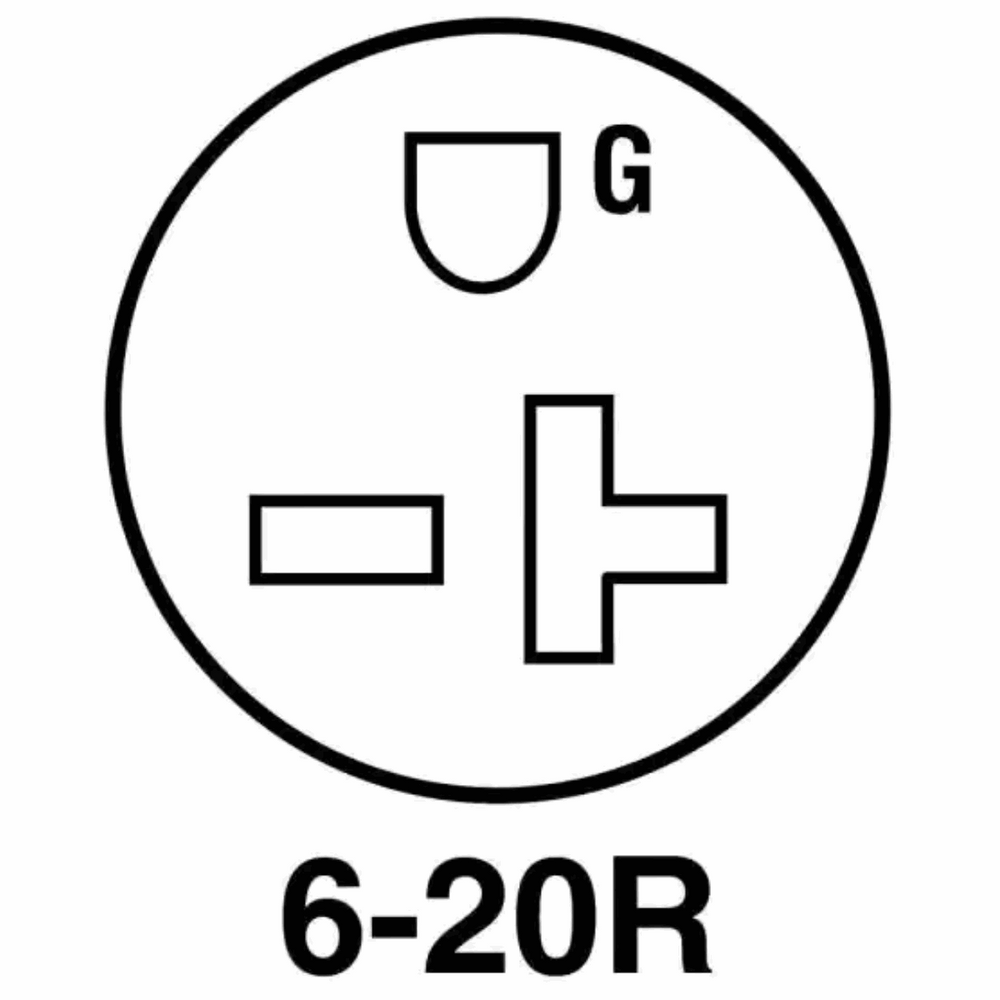
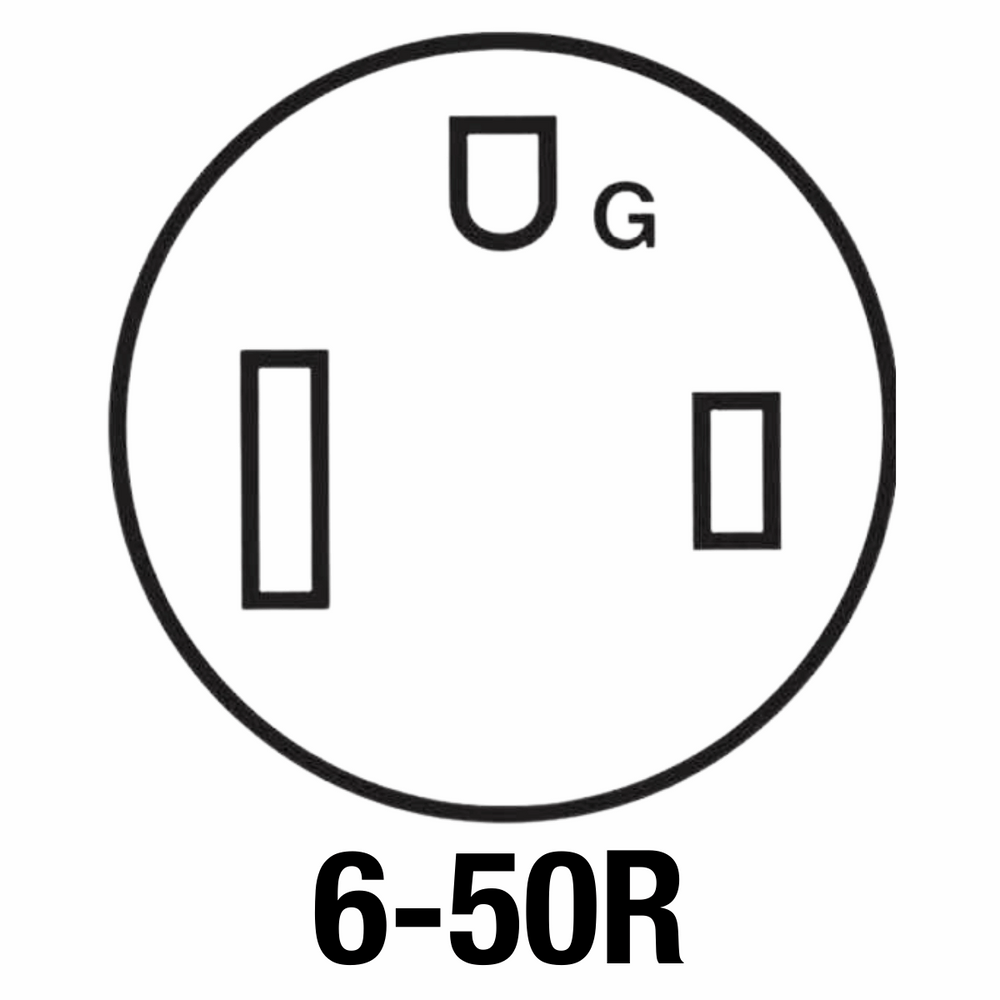
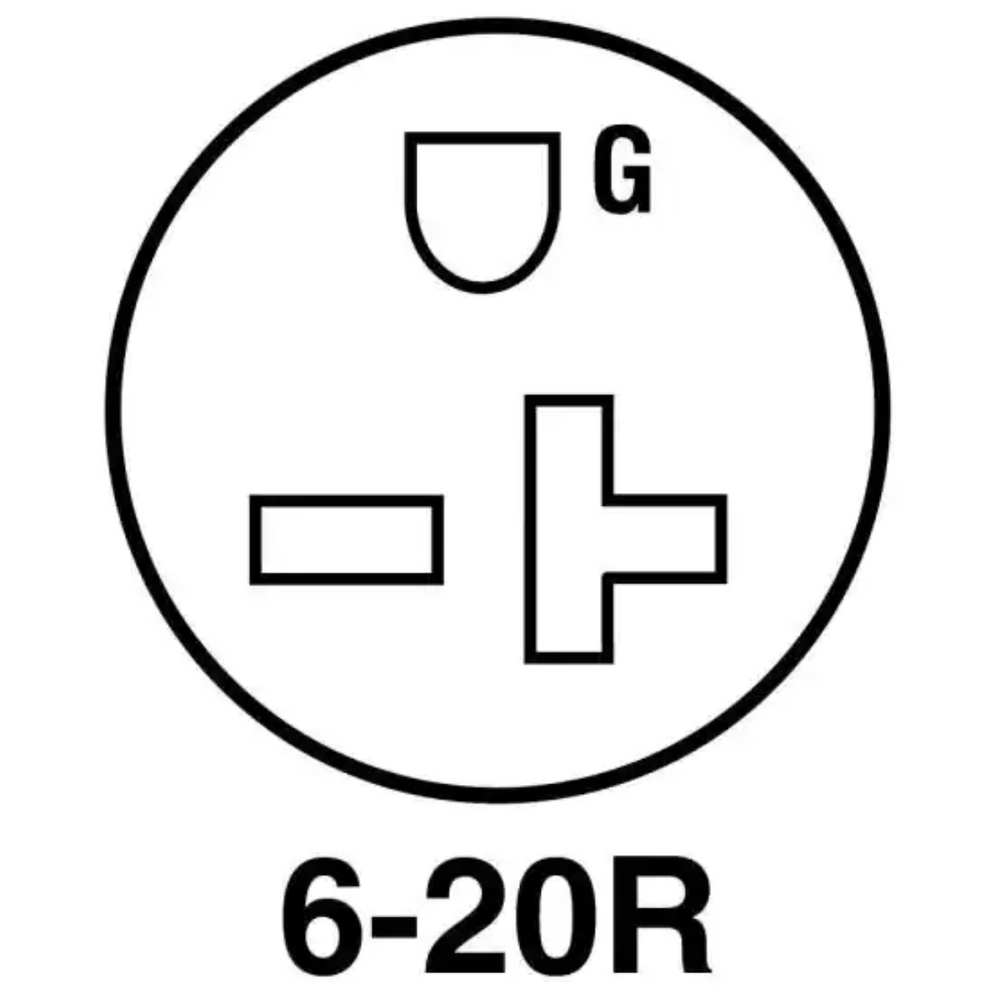
    What outlet does a 240V kiln need?

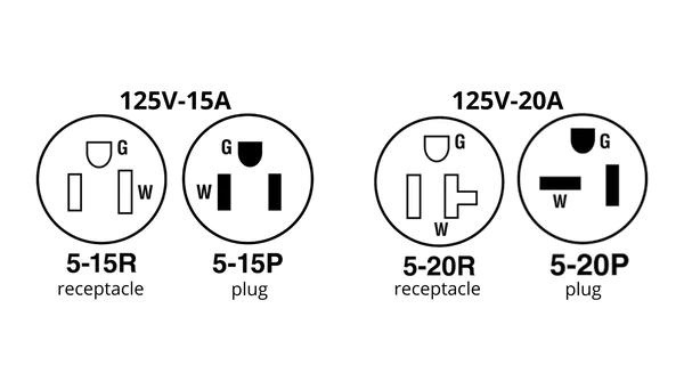
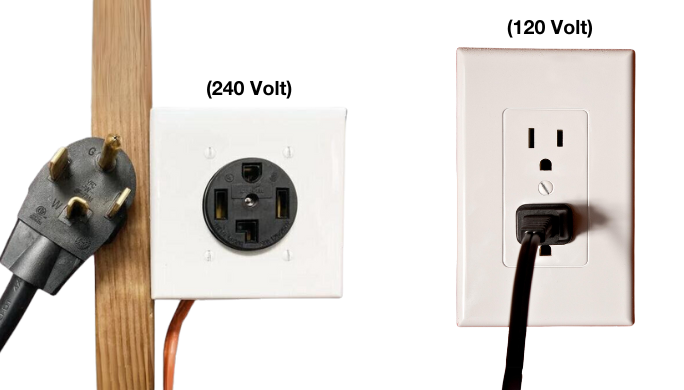
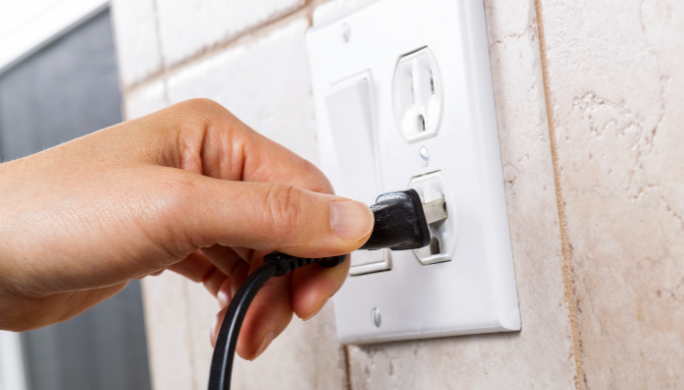
    A 240V kiln requires a dedicated 240 volt circuit, similar to an electric dryer or range, wired to match the kiln's amperage. The exact outlet and breaker size depend on the model's amp draw, so check the spec sheet and have an electrician confirm your wiring before firing.

    Is a 240V kiln the same as a 220V kiln?

    In practice, yes. The terms 220V, 230V, and 240V refer to the same standard residential high-voltage supply in North America, and the small differences come from how the grid voltage is measured. A kiln rated for 240V works on a standard 220 to 240 volt circuit.

    How many amps does a 240V kiln draw?

    It depends on size, but many 240V kilns draw 30, 40, or 48 amps and up, requiring a matching dedicated breaker. Larger studio and production kilns pull more. Always size the circuit and outlet to the specific kiln's amperage rather than assuming a 30 amp standard.

    What can you fire in a 240V kiln?

    A 240V kiln handles high-temperature work that 120V kilns cannot, including cone 10 stoneware, porcelain, glass, and larger ceramic loads. The higher voltage delivers more power for faster, hotter, and more even firing, making 240V the standard for serious pottery and production studios.

    Do I need an electrician to install a 240V kiln?

    In most cases, yes. A 240V kiln draws high current and needs a properly sized dedicated circuit, breaker, and outlet, which usually calls for a licensed electrician. Correct wiring protects against overheating and breaker trips, so confirm the model's requirements before installation.
    Frequently Asked Questions for Small Kilns
    Can you fire a small kiln at home on a standard outlet?

    Yes. Most small kilns run on a standard 120V household outlet, which is what makes them practical for home and (sometimes) apartment use. Larger models may need a dedicated 240V circuit, so always confirm the voltage and amperage of a specific kiln before buying.
    How much does a small kiln cost?

    Small tabletop and mini kilns generally cost less than full-size studio kilns because they use less material and power. Pricing varies by chamber size, temperature rating, and controller type, so compare the listings in this collection rather than relying on a single figure.

    What is the best small kiln for pottery at home?

    The best small pottery kiln is the one that fits your space, electrical supply, and the cone temperature your clay needs. Look for a model that reaches at least cone 6 if you fire stoneware, a programmable controller for repeatable results, and a footprint that suits a tabletop or studio corner.

    Is a portable kiln practical for a small home studio?

    A portable or compact kiln is practical when space and power are limited, since many weigh little and plug into a standard outlet. Place it on a heat-safe surface with clearance around it for ventilation, and keep it away from walls and flammable materials while firing.

    Are tabletop and mini kilns good for ceramics and clay?

    Yes. Tabletop and mini kilns fire clay, ceramics, glass, and small test pieces, and they are popular with hobbyists, jewelers, and teachers. They hold fewer pieces than a studio kiln, so they suit small batches, samples, and home projects rather than high-volume production.