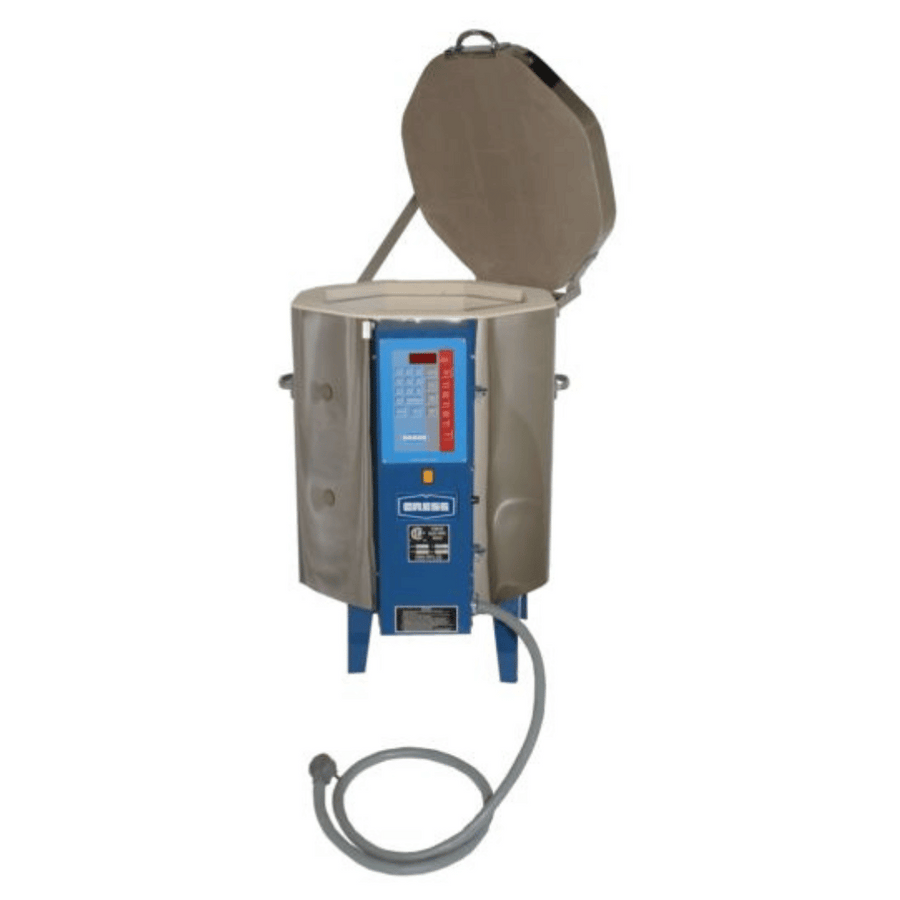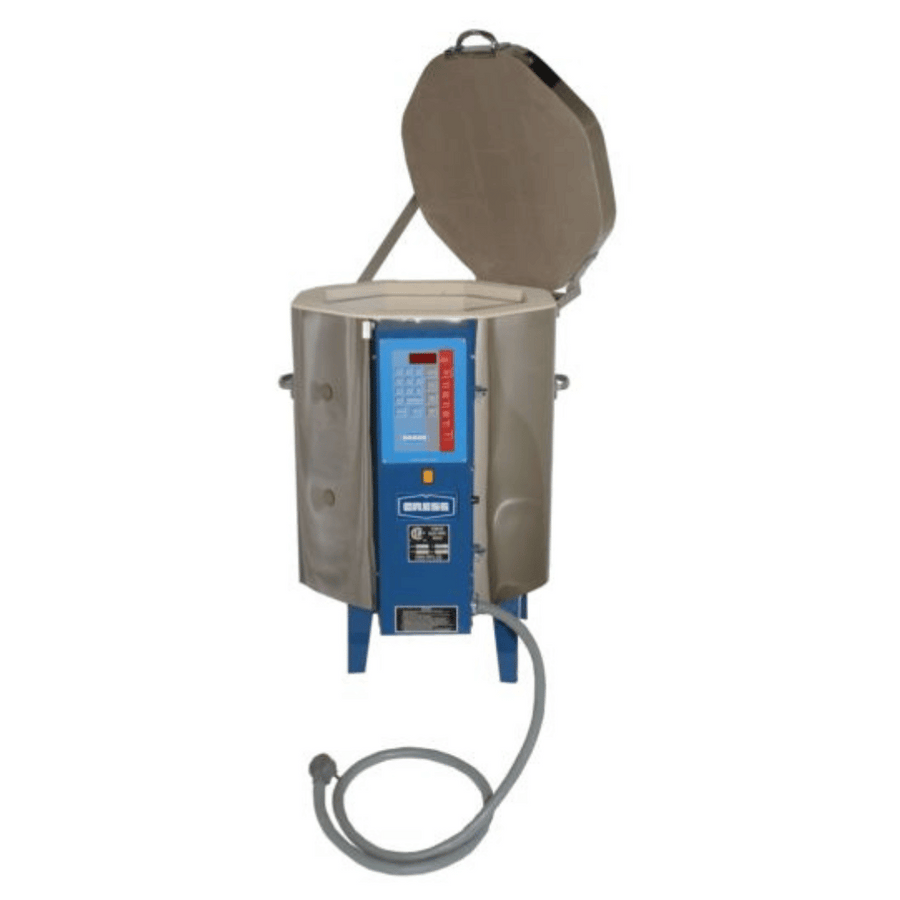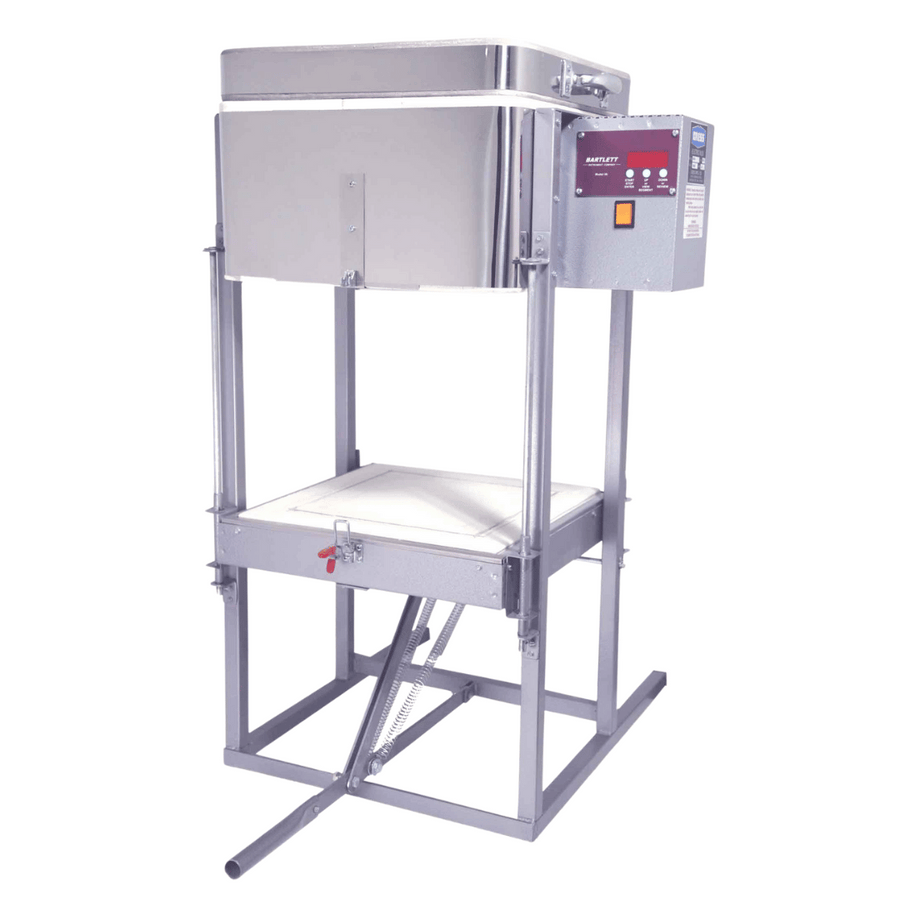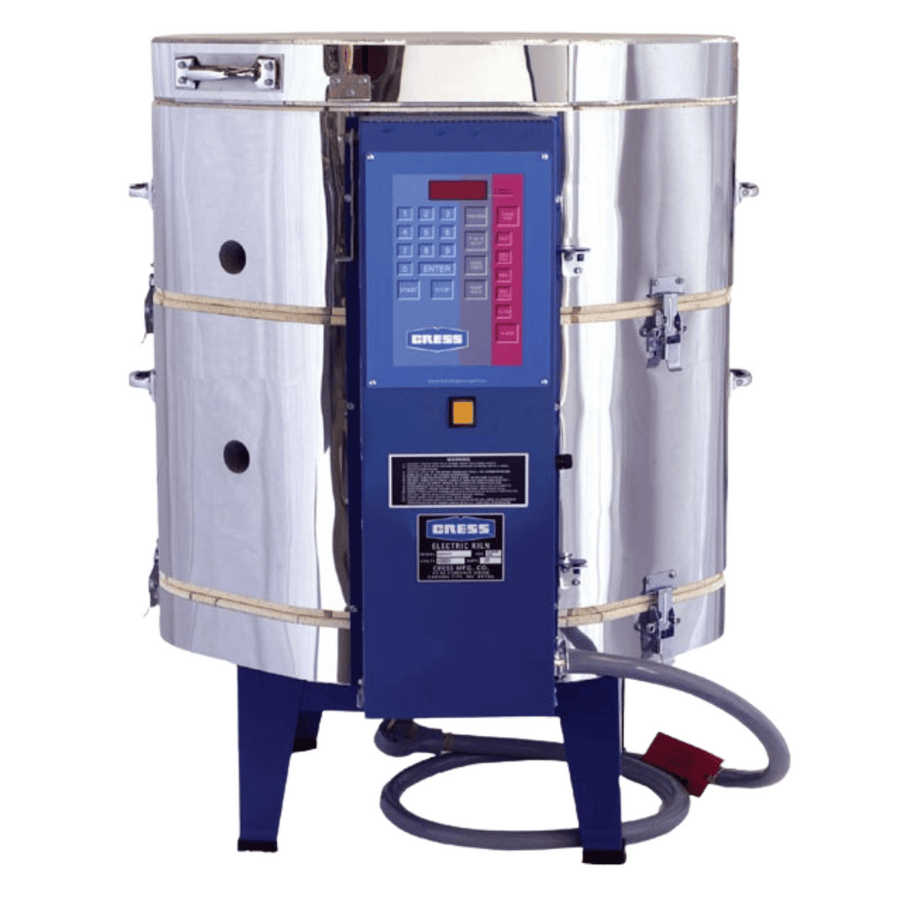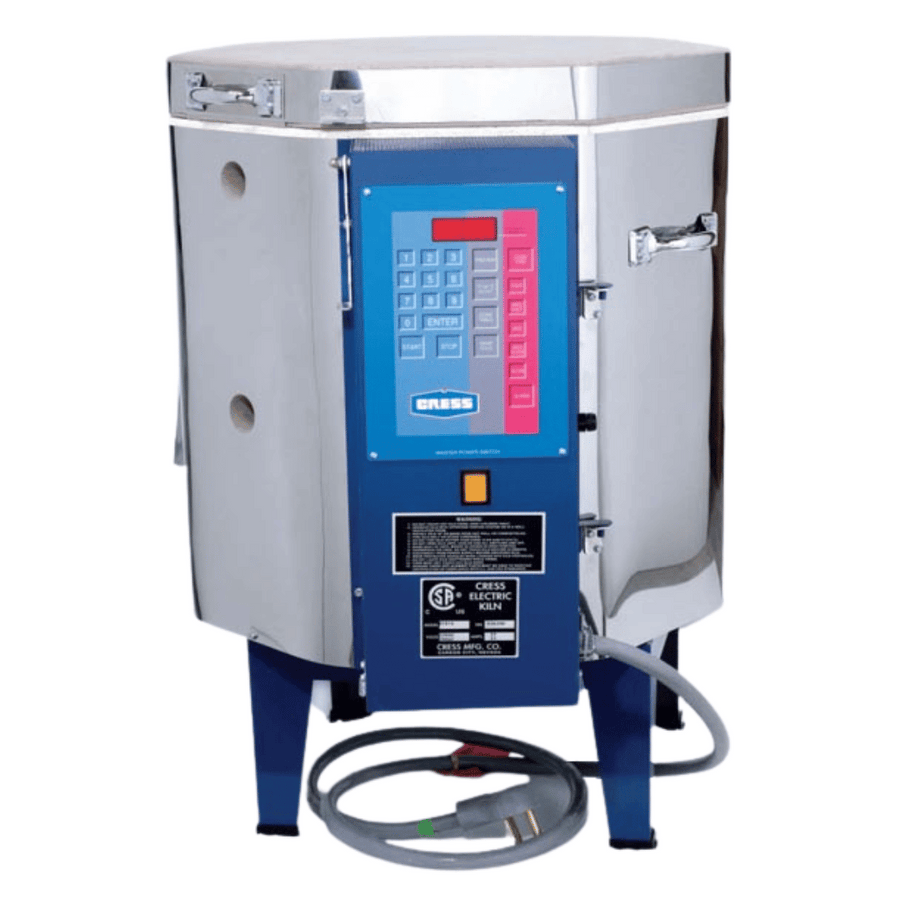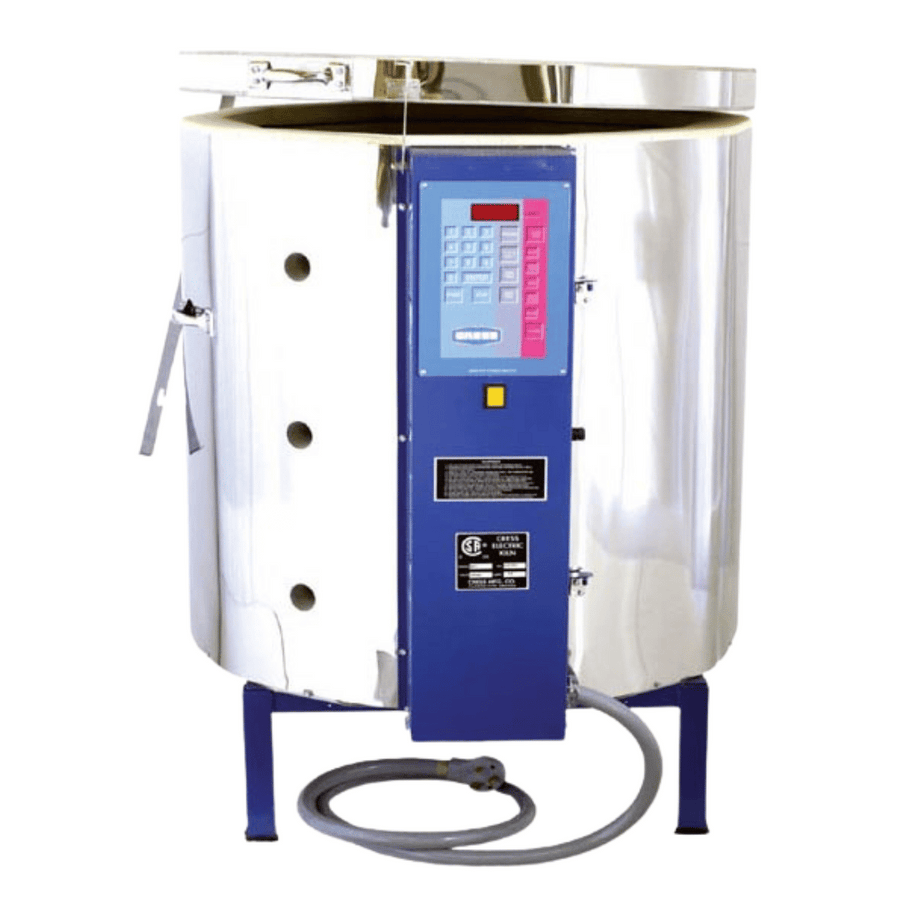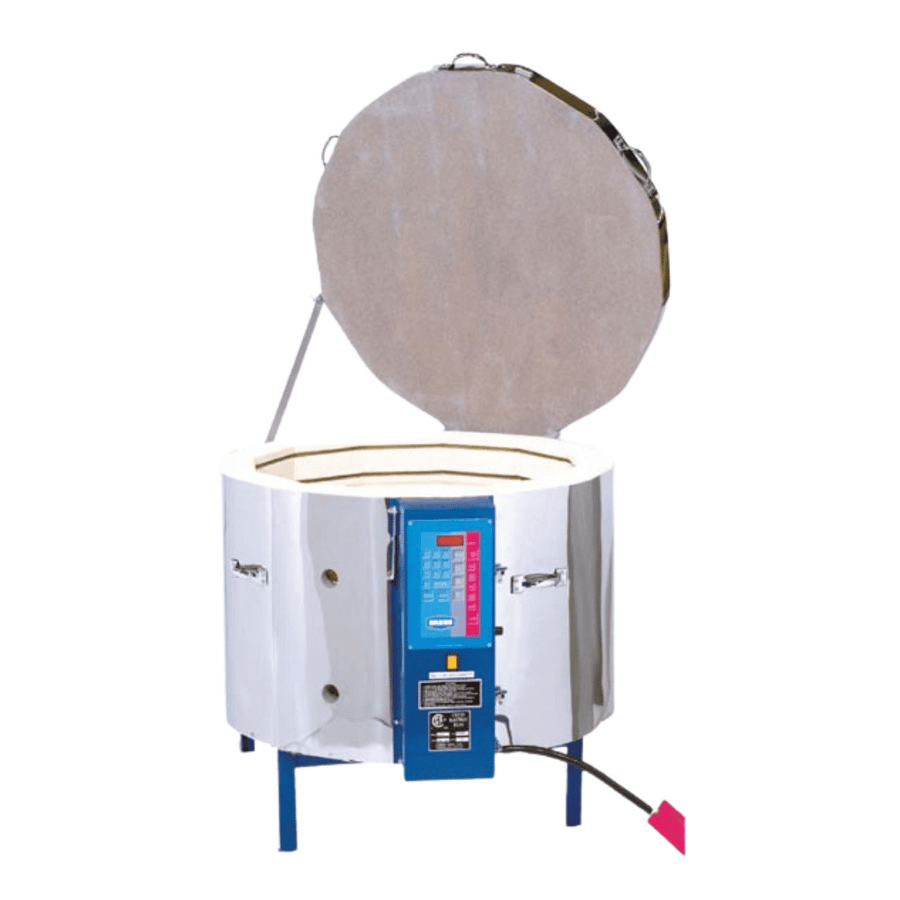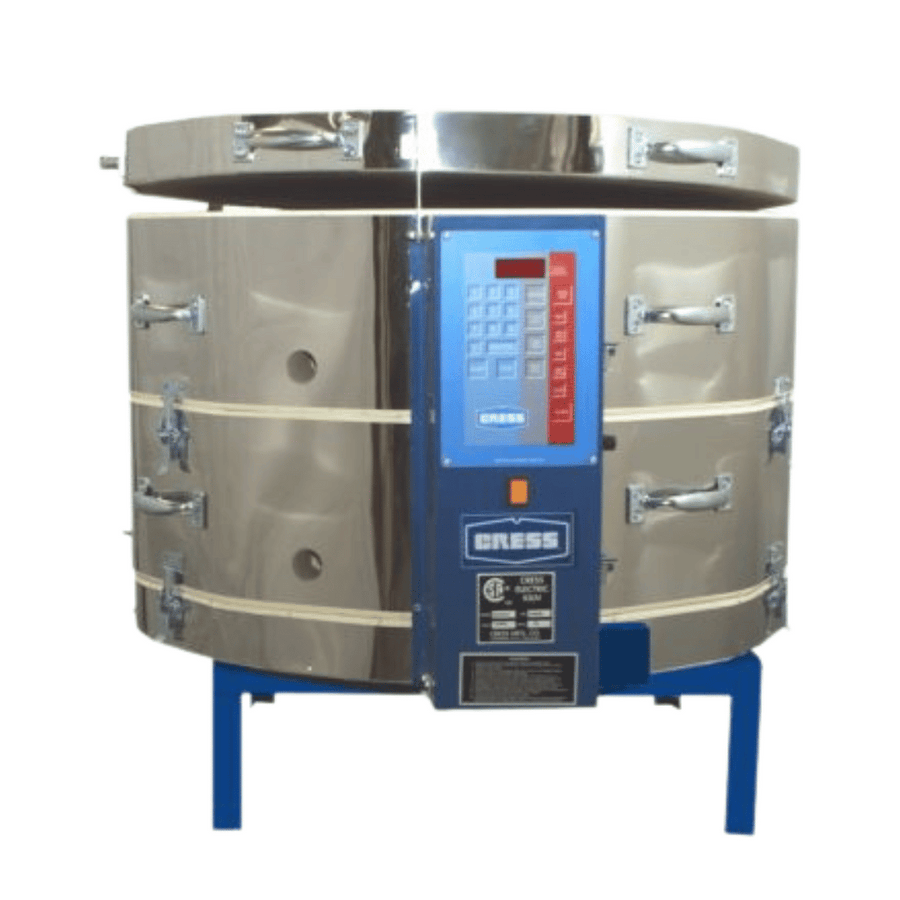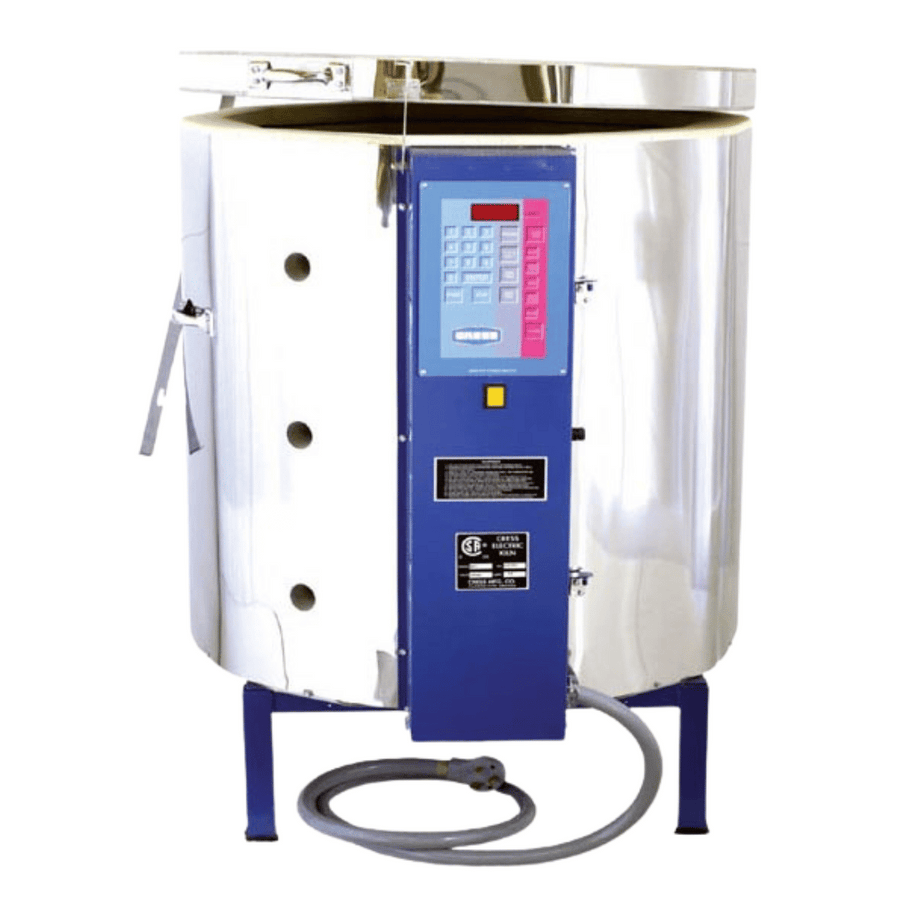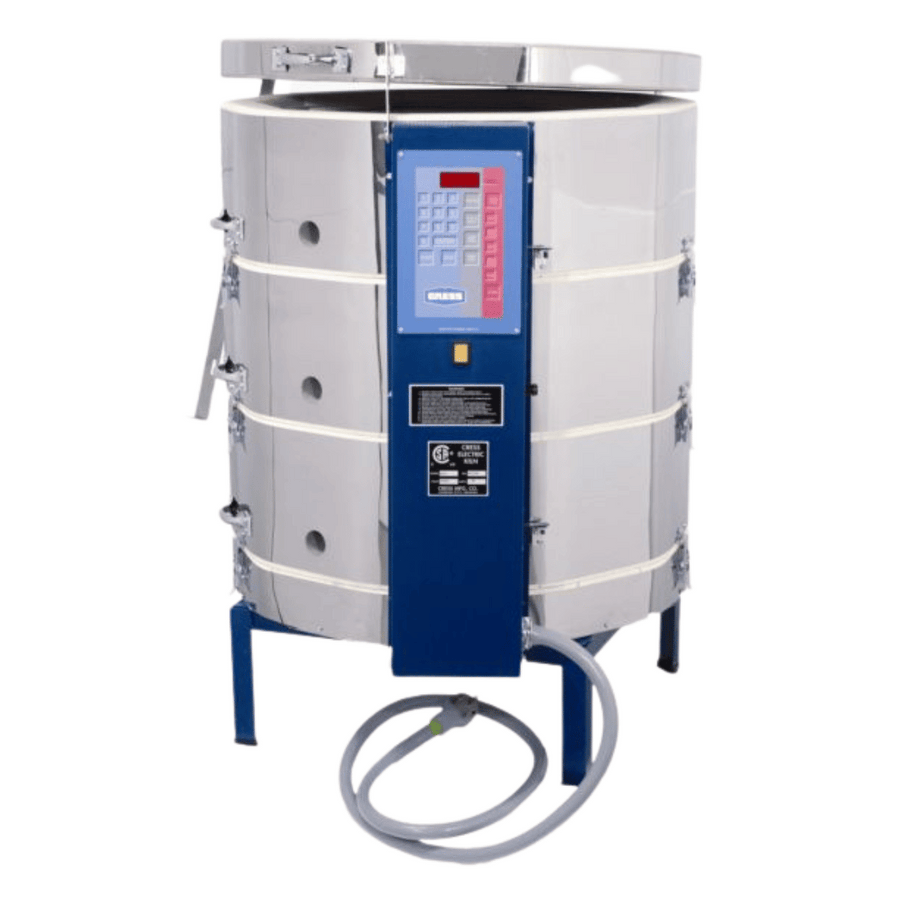




CRESS KILNS

TURNAROUND TIMES 8-12 WEEKS AS OF 11/20/25. 

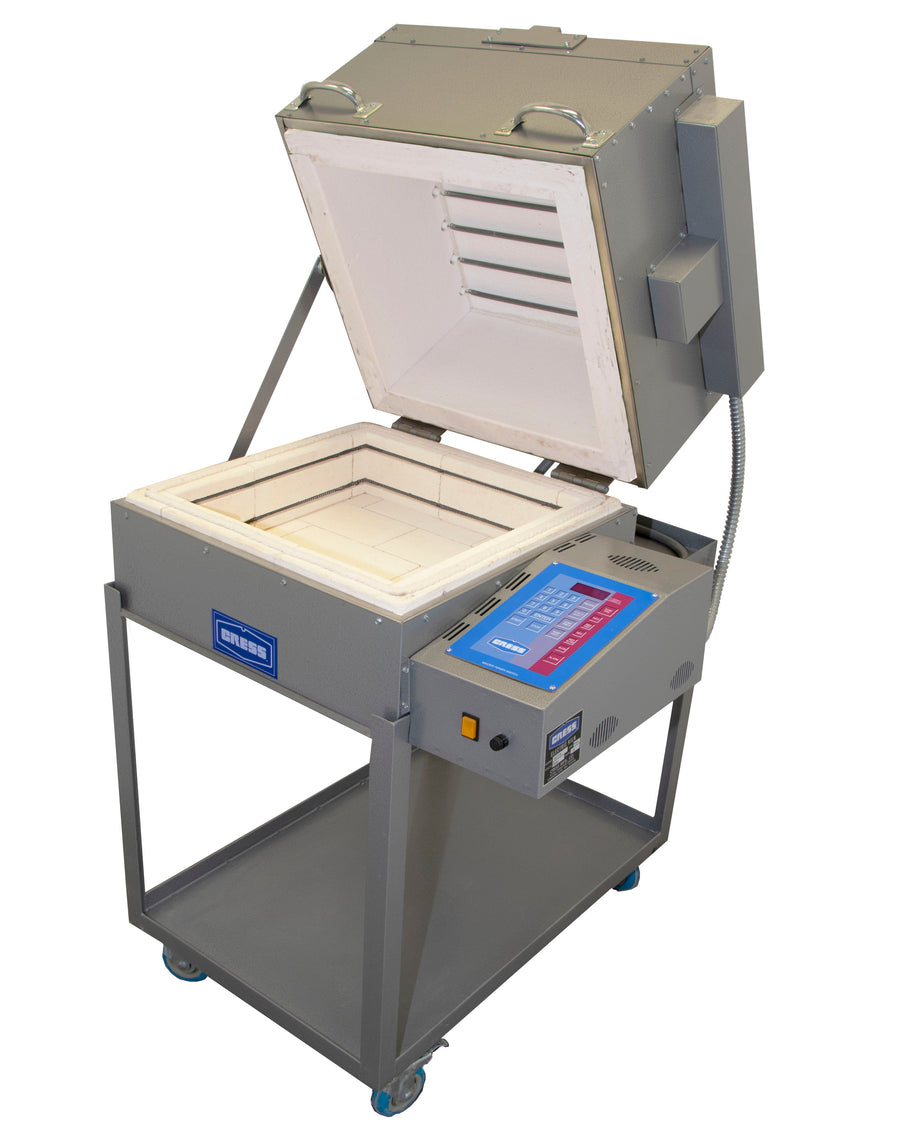
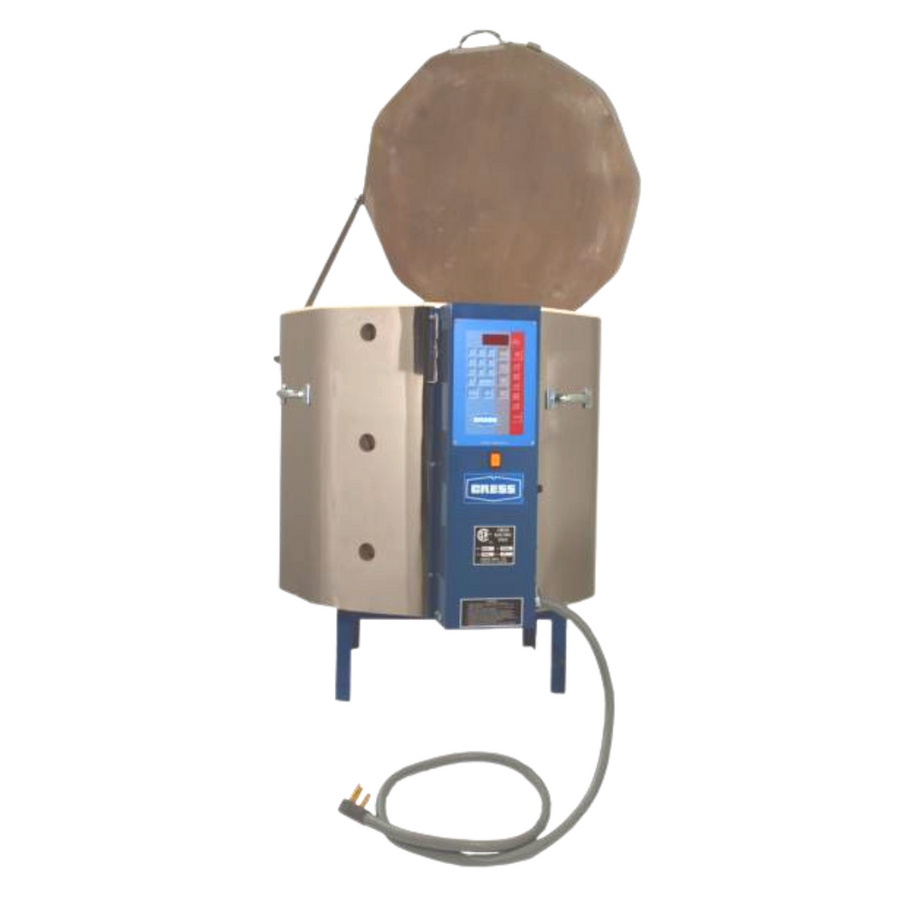
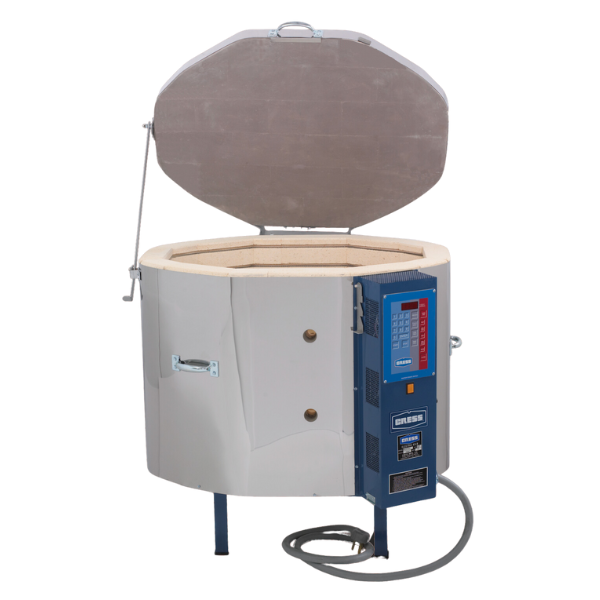
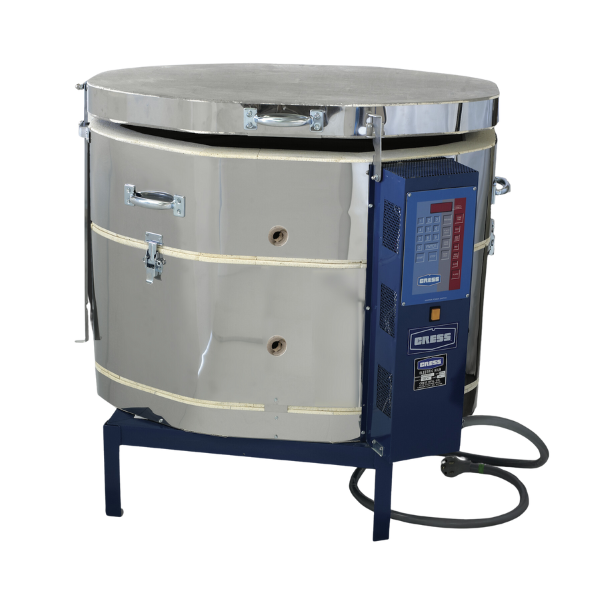
Cress was founded in 1973 as a company with a simple concept to provide exceptionally high-quality products and services. With this goal in mind, Cress has evolved into a very important manufacturer and distributor of heat treating furnaces in the United States and many other countries. Cress manufactures, exports and distributes heat treating furnaces for the metal industry, quartz glass, industrial ceramics, jewelry, porcelain, pottery ornamental ceramics and many other applications.

For Cress, innovation is essential to transform a good idea into a product of high value to our customers. They can adapt to the needs of customers; therefore, if you have something in mind, they can build it. With these ideas in mind, they strive to provide better services and products that will last and provide years of service.   

***Buying now and paying later. That’s the magic of more time. Kiln Frog has multiple options for financing that fit your exact budget... learn more about equipment financing for consumers and for commercial businesses

    Frequently Asked Questions

    Frequently Asked Questions for 120V Glass Kilns
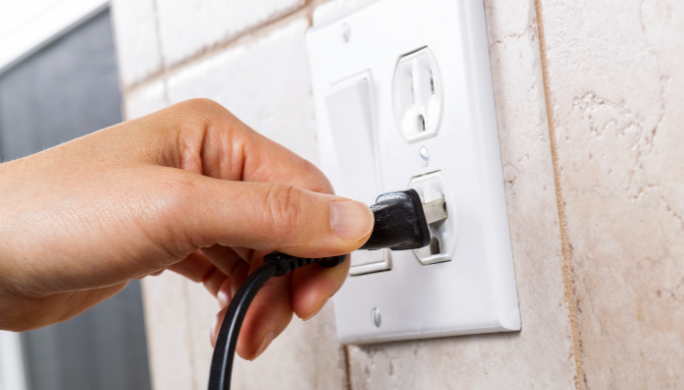
    Can a 120V glass fusing kiln plug into a regular outlet?

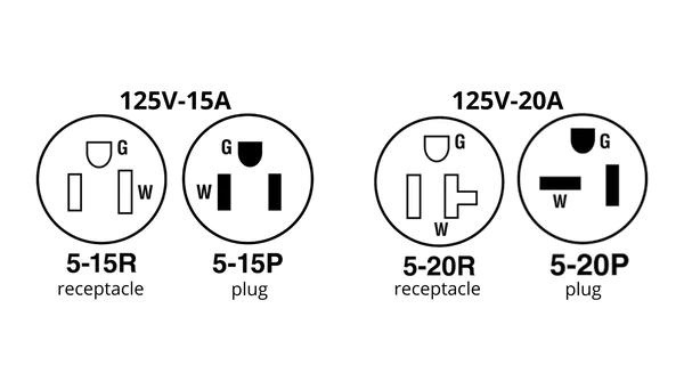
    Yes. A 120V glass fusing kiln runs on a standard household outlet, which makes it a convenient option for home studios and tabletop fusing. Just confirm the model's amp draw matches your circuit, since some still need a dedicated 15 or 20 amp outlet.

    What size glass can you fuse in a 120V glass kiln?

    120V glass kilns are typically small to mid-size, ideal for jewelry, pendants, small dishes, coasters, and test pieces. The chamber and shelf dimensions vary by model, so check the interior size against your largest project. For big platters, a larger 240V kiln is better.

    Is a 120V glass kiln good for fusing at home?

    Yes. A 120V glass kiln is one of the most popular choices for home fusing because it plugs into a normal outlet, heats a compact chamber efficiently, and fits on a sturdy tabletop. It handles fusing, slumping, and small casting for hobbyists and beginners.

    Can you use a 120V kiln for glass blowing?

    A 120V kiln is not a glassblowing furnace, but it works well as a small annealing or fusing kiln alongside torch and lampwork. Glassblowing itself needs a high-temperature furnace and glory hole. Use a 120V glass kiln for annealing beads and fusing flat glass.

    How much does a 120V glass fusing kiln cost?

    120V glass fusing kilns are among the more affordable kilns because they are compact and run on standard power, though pricing varies by brand, chamber size, and controller. Check the collection for current pricing on each model, since features like digital controllers affect the price.

    Frequently Asked Questions for 120V Kilns
    Can a 120V kiln plug into a standard household outlet?

    Yes. A 120V kiln runs on a standard household outlet, which is the main reason people choose one. Confirm the kiln's amp draw against your circuit, since many 120V kilns need a dedicated 15 or 20 amp outlet to fire safely without tripping the breaker.

    What cone can a 120V pottery kiln reach?

    Most 120V pottery kilns are designed to reach cone 5 or 6, which covers mid-range stoneware and many glazes. Some smaller models top out lower, so check each kiln's maximum cone rating. For consistent cone 10 firing, a 240V kiln is usually the better fit.

    Is a 120V kiln good for beginners?

    Yes. A 120V kiln is a popular starter choice because it plugs into a normal outlet, costs less to buy, and fits in a small space. It is well suited to test tiles, jewelry, small pottery, and learning firing schedules before moving up to a larger kiln.

    How many amps does a 120V electric kiln use?

    Many 120V electric kilns draw around 15 to 20 amps, so they need a dedicated circuit rather than sharing an outlet with other appliances. Check the specific model's amp and wattage rating, since a 3000W 120V kiln pushes near the limit of a standard 20 amp circuit.

    What is the difference between a 120V and 240V kiln?

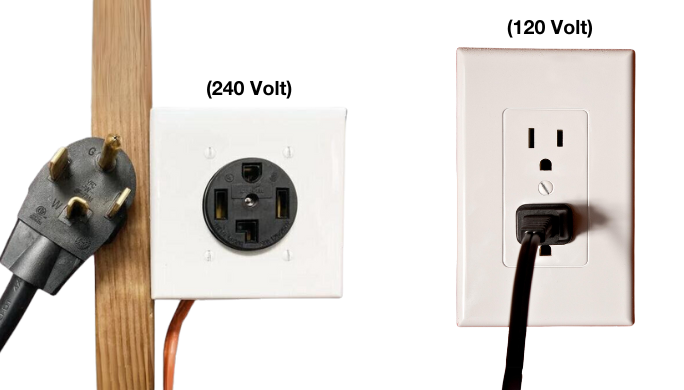
    A 120V kiln runs on a normal household outlet but fires smaller loads to lower top temperatures. A 240V kiln needs a dedicated high-voltage circuit but reaches higher cones, fires faster, and holds larger pieces. Pick 120V for convenience and 240V for capacity and hotter firing.

    Frequently Asked Questions for 240V Glass Kilns
    What is a 240V glass kiln used for?

    A 240V glass kiln delivers higher power for larger and faster glass work, including big fused platters, deep slumping, and kiln casting. The 240 volt supply heats a larger chamber more evenly than a 120V unit, making it the choice for serious studios and bigger pieces.

    Are 240V glass kilns available for sale in larger sizes?

    Yes. 240V glass kilns come in mid-size to large studio and floor models, since the higher voltage supports bigger chambers. Browse the collection for current models and sizes, and match the interior dimensions and shelf size to the largest glass piece you plan to fire.

    What outlet does a 240V glass kiln require?

    A 240V glass kiln needs a dedicated 240 volt circuit wired to the model's amperage, similar to a dryer or range. The exact breaker and outlet size depend on the kiln, so check the spec sheet and have an electrician confirm your wiring before firing.

    Is a 240V glass kiln better than a 120V for fusing large pieces?

    Yes, for larger work. A 240V glass kiln has the power to heat a bigger chamber quickly and evenly, which matters for full-size platters and deep casts. A 120V kiln is fine for jewelry and small dishes but cannot match the capacity of a 240V model.

    Can you find used or small 240V glass kilns for sale?

    Availability of used kilns changes over time, so check the current collection for what is in stock. For a compact option, some 240V glass kilns come in smaller chamber sizes that still deliver high-voltage power. Compare interior dimensions and controller features before buying.

    Frequently Asked Questions for 240V Kilns
    What outlet does a 240V kiln need?

    A 240V kiln requires a dedicated 240 volt circuit, similar to an electric dryer or range, wired to match the kiln's amperage. The exact outlet and breaker size depend on the model's amp draw, so check the spec sheet and have an electrician confirm your wiring before firing.

    Is a 240V kiln the same as a 220V kiln?

    In practice, yes. The terms 220V, 230V, and 240V refer to the same standard residential high-voltage supply in North America, and the small differences come from how the grid voltage is measured. A kiln rated for 240V works on a standard 220 to 240 volt circuit.

    How many amps does a 240V kiln draw?

    It depends on size, but many 240V kilns draw 30, 40, or 48 amps and up, requiring a matching dedicated breaker. Larger studio and production kilns pull more. Always size the circuit and outlet to the specific kiln's amperage rather than assuming a 30 amp standard.

    What can you fire in a 240V kiln?

    A 240V kiln handles high-temperature work that 120V kilns cannot, including cone 10 stoneware, porcelain, glass, and larger ceramic loads. The higher voltage delivers more power for faster, hotter, and more even firing, making 240V the standard for serious pottery and production studios.

    Do I need an electrician to install a 240V kiln?

    In most cases, yes. A 240V kiln draws high current and needs a properly sized dedicated circuit, breaker, and outlet, which usually calls for a licensed electrician. Correct wiring protects against overheating and breaker trips, so confirm the model's requirements before installation.

    Frequently Asked Questions for Annealing Kilns
    What is an annealing kiln and why is it needed?

    An annealing kiln slowly and evenly cools hot glass to relieve internal stress, preventing cracks and breakage later. After glassblowing, lampworking, or fusing, the piece must hold and cool through a controlled schedule. Without annealing, finished glass can shatter days or weeks afterward.

    What is the difference between an annealing oven and an annealing kiln?

    The terms are used interchangeably for glass. Both describe a controlled-temperature chamber that cools glass gradually to remove stress. Some makers call larger units annealing ovens or lehrs and smaller bench units annealing kilns, but the function, slow programmed cooling, is the same.

    Do I need an annealing kiln for lampwork beads?

    Yes, if you want durable beads. A bead annealing kiln holds the glass at a soak temperature and cools it slowly so the beads do not crack from thermal stress. Many lampworkers batch-anneal beads at the end of a session in a dedicated bead kiln.

    Can you anneal glass in a regular oven?

    No. A household oven cannot hold the precise soak temperature or run the slow, controlled cooling ramp that proper annealing requires, so the glass stays stressed and is likely to crack. A dedicated annealing kiln or oven with a programmable controller is needed for reliable results.

    What size annealing kiln do I need?

    Size depends on your work: bead makers need only a small chamber, while glassblowers handling vessels need a larger annealer. Choose interior dimensions that fit your biggest piece with room to spare. Browse the collection to compare chamber sizes and controller features.

    Frequently Asked Questions for Ceramics / Pottery Kilns
    What is the difference between a ceramic kiln and a pottery kiln?

    There is no real difference: a ceramic kiln and a pottery kiln are the same tool, used to fire clay into finished ware. Both reach the high temperatures needed to bisque and glaze fire pottery, and the terms are used interchangeably across this collection.

    Do you sell used pottery kilns for sale?

    We carry new ceramic and pottery kilns rather than secondhand units, so quality and warranty are consistent. Shoppers searching for a used kiln for sale often choose a new entry-level kiln instead, since the price gap is smaller than expected once condition and reliability are factored in.

    How much does a pottery kiln cost?

    Pottery kiln prices range widely based on chamber size, cone rating, and controller type, from compact tabletop units up to large studio kilns. Browse the listings in this collection for current pricing, and factor in shelves, posts, and installation when you budget.

    Where can I find a kiln for sale near me?

    We ship ceramic and pottery kilns nationwide, so you can order online instead of hunting for a kiln for sale near you. This usually gives you a wider model selection than a local listing, plus new condition and manufacturer support.

    What cone temperature do I need for ceramics and pottery?

    Most stoneware fires to cone 6, earthenware to around cone 04, and porcelain to cone 10, so choose a kiln rated above the highest cone you plan to use. A kiln rated to cone 10 covers nearly all pottery clay bodies and glazes with headroom to spare.

    Frequently Asked Questions for Clamshell Opening Kilns
    What is a clamshell kiln and how does it work?

    A clamshell kiln has a hinged, top-opening lid that lifts up like a clam shell, exposing the entire firing chamber from above. This design gives you easy, full-access loading and unloading of flat glass or shelves, which makes it popular for fusing, slumping, and large pieces.

    What are clamshell kilns best used for?

    Clamshell ovens are ideal for fused glass, slumped glass, and flat work where you load from the top onto a shelf. The wide opening lets you place and view large or delicate pieces without reaching through a side door, so they are a common choice for glass artists and small studios.

    How much does a clamshell glass kiln cost?

    Pricing for clamshell glass kilns varies by chamber size, voltage, and controller type, with smaller tabletop models costing far less than large studio units. Browse the collection for current pricing on each model, since prices change with manufacturer updates and available features.

    What is the difference between a clamshell kiln and a top-loading kiln?

    A clamshell kiln opens on a hinge so the whole lid and one side swing up together, exposing the full chamber. A standard top-loader has a fixed body with only the lid lifting. Clamshell access is easier for loading wide flat glass and reaching the shelf.

    Can I fuse glass in a clamshell kiln?

    Yes. Clamshell kilns are well suited to glass fusing because the top-opening lid lets you lay flat glass directly onto the shelf and monitor it easily. Pair the kiln with a programmable controller so you can run accurate fusing and annealing schedules.

    Frequently Asked Questions for Dual Media Kilns (Glass & Ceramic)
    What is a dual media kiln?

    A dual media kiln is built to fire both glass and ceramics in one unit. It combines features useful for each, such as top and side heating elements and a controller with both glass and pottery firing programs, so you can switch between projects without buying two separate kilns.

    Can you use the same kiln for pottery and glass?

    Yes, with the right kiln. A dual media or combination kiln handles both because it offers even heat for glass fusing and reaches the higher temperatures pottery needs. Using a pure pottery kiln for glass can give uneven results, so a dual media kiln is the safer choice for both.

    Can you use a glass kiln for ceramics?

    It depends on temperature rating and element placement. Many glass kilns top out below pottery's needs and heat from the top only, which suits fusing but not even pottery firing. A dual media kiln is designed to do both, making it the more versatile option.

    What is the best kiln for glass fusing and pottery?

    The best choice for doing both is a dual media kiln with combined side and top elements and a programmable controller. It gives you the gentle, even heat glass fusing wants plus the higher top temperature pottery requires. Compare chamber sizes in our dual media collection.

    Do I need separate kilns for glass and ceramics?

    Not if you choose a dual media kiln. A single combination unit saves space and money while letting you fire glass and ceramic projects in the same kiln. If you only ever do one medium, a dedicated kiln is fine, but most makers value the flexibility.

    Frequently Asked Questions for Electric Kilns (Pottery, Glass & Heat Treating)
    What can an electric kiln be used for?

    Electric kilns fire a wide range of work, including pottery and ceramics, glass fusing and slumping, and metal heat treating. The right model depends on your top temperature and chamber size needs. A versatile electric kiln lets one unit cover several of these uses.

    What voltage does an electric kiln need?

    Smaller electric kilns run on standard 120V household outlets, while larger pottery and high-temperature kilns require 240V and a dedicated circuit. Check the kiln's amperage and confirm your outlet and breaker match before buying, since this affects installation cost.

    Can one electric kiln do pottery, glass, and heat treating?

    Some electric kilns are built to handle multiple jobs, but firing needs differ: glass wants even heat, pottery needs high cone temperatures, and heat treating needs accurate holds. A multipurpose electric kiln with a programmable controller covers these, though dedicated kilns can perform better for one task.

    Do you have kilns ready to ship?

    Yes, many electric kilns are stocked and ready to ship, while specialty configurations may be built to order. Lead times vary by brand and model. Check the listing for current availability, since in-stock status changes as inventory moves.

    How do I choose the right size electric kiln?

    Size your kiln to your largest typical piece plus room for kiln furniture, then consider how much you fire at once. Bigger chambers cost more to buy and run, so match the interior to your real workload rather than buying the largest available.

    Frequently Asked Questions for Enameling Kilns
    What is an enameling kiln used for?

    An enameling kiln fuses powdered glass enamel onto metal, most often copper, silver, or gold, to create durable colored surfaces for jewelry and art. It reaches the precise high temperatures needed to melt enamel evenly without scorching, which a regular oven cannot do.

    Can I use an enameling kiln as a jewelry kiln?

    Yes. Enameling kilns double as jewelry kilns for many small metalworking tasks, including firing enamel, fusing, and some metal clay work. Their compact, fast-heating chambers suit small pieces. Check the model's maximum temperature to confirm it fits your specific jewelry process.

    What kiln is best for copper enameling?

    For copper enameling, choose a small enameling kiln that heats quickly and holds a steady temperature, usually around 1400 to 1500 degrees Fahrenheit. A fast-recovering chamber matters because pieces go in and out repeatedly. Browse the collection for models sized to your work.

    How much does an enameling kiln cost?

    Enameling kilns are generally among the more affordable kilns because they are small, but pricing varies by chamber size, controller, and brand. Check the collection for current pricing. Digital-controller models cost more than basic pyrometer units but give you tighter temperature control.

    Can you do cloisonne in an enameling kiln?

    Yes. Cloisonne is a classic enameling technique, and a dedicated enameling kiln is well suited to it. The kiln fires the enamel between metal wire cells at consistent high heat. Use a model with reliable temperature control so each layer fuses evenly without overfiring.

    Frequently Asked Questions for Fiber Front Loader
    What is a fiber front loader kiln?

    A fiber front loader is a kiln with a ceramic fiber chamber and a front-opening door, so you load and unload through the front instead of the top. The fiber lining heats quickly and the front access makes loading shelves and tall pieces easier.

    What are the advantages of a front loading kiln?

    Front loaders let you slide shelves in and out at a comfortable height and load taller or heavier work without lifting it over a top edge. Paired with a fiber chamber, you also get fast heat-up and efficient firing.

    Is a front loader better than a top loader kiln?

    It depends on your work. Front loaders make shelf loading and large pieces easier and reduce bending. Top loaders are often more compact and lower cost. Choose based on the size of your work, your space, and how often you load.

    What can I fire in a fiber front loader kiln?

    Depending on the model's temperature range, a fiber front loader can handle ceramics, glass, heat treating, and other high temperature work. Check the listed maximum temperature and interior dimensions to confirm the kiln fits your projects.

    How much space does a front loading fiber kiln need?

    Front loaders need clearance in front for the swinging door plus room to stand and load safely, along with adequate ventilation. Check the exterior dimensions and door swing on the product page, then add working space around the unit.

    Frequently Asked Questions for Fiber Hot Shot Kilns
    What is a fiber Hot Shot kiln?

    A fiber Hot Shot kiln uses a ceramic fiber chamber instead of dense firebrick. The lightweight fiber heats up and cools down faster and stores less heat, which makes these units efficient for heat treating, glass, and quick firing cycles.

    Is the Hot Shot 2800 Pro a fiber kiln?

    Hot Shot Pro series units in this collection use ceramic fiber insulation for fast heat-up and high working temperatures. Check the individual product page for the model's exact maximum temperature rating and chamber size before ordering.

    What is the advantage of a fiber kiln over a brick kiln?

    Fiber kilns weigh less, reach temperature faster, and use less energy per firing because the chamber holds little residual heat. The tradeoff is that the soft fiber lining is more fragile than firebrick, so it needs gentle handling and care when loading.

    Can a fiber Hot Shot kiln be used for heat treating?

    Yes. Fiber Hot Shot units reach the high, controlled temperatures needed for hardening and tempering steel, and the fast fiber heat-up shortens cycle times. Confirm the model's temperature ceiling matches the steel you plan to treat.

    How long does a fiber kiln last?

    With careful use, the ceramic fiber chamber and heating elements can last for years of regular firing. The fiber lining is the most delicate part, so avoid scraping it and follow the manufacturer's loading and maintenance guidance to extend its life.

    Frequently Asked Questions for Fiber Kilns
    What is a fiber kiln?

    A fiber kiln is built with a ceramic fiber chamber rather than firebrick. The fiber insulation is lightweight, heats quickly, and stores little heat, making these kilns energy efficient and well suited to fast firing, glass work, and high temperature applications.

    Are fiber kilns good for high temperature work?

    Yes. Ceramic fiber kilns are designed to reach and sustain high temperatures efficiently, which is why they are popular for heat treating and demanding firing schedules. Always check the listed maximum temperature on each model to confirm it meets your needs.

    What is the difference between a fiber kiln and a brick kiln?

    Fiber kilns use soft ceramic fiber that heats and cools fast and weighs far less than dense firebrick. Brick kilns hold heat longer and resist physical wear better. Fiber is ideal for speed and efficiency; brick suits long, heavy production firing.

    Can I use a fiber kiln for glass fusing?

    Many fiber kilns work well for glass fusing and slumping because they ramp and cool quickly, which helps with controlled glass schedules. Confirm the chamber dimensions and temperature range fit your glass projects before purchasing.

    Is ceramic fiber in a kiln safe to handle?

    Ceramic fiber and fiber paper can release fine particles, so wear a respirator, gloves, and eye protection when handling or replacing it, and follow the manufacturer's safety guidance. The fiber itself performs safely during normal firing inside a sealed chamber.

    Frequently Asked Questions for Gas Fired Kilns
    What is a gas fired kiln used for?

    A gas fired kiln burns propane or natural gas to reach high firing temperatures, and it is favored for pottery and ceramics because it allows reduction firing. Reduction creates color and surface effects in glazes that electric kilns cannot easily produce.

    Can a gas kiln run on propane or natural gas?

    Both are common. Propane kilns are popular for outdoor and off-grid setups because the fuel is portable, while natural gas kilns connect to a building's gas line. Each kiln is configured for a specific fuel, so confirm the model matches your gas supply.

    Is there a small gas kiln for pottery?

    Yes. This collection includes small gas and propane pottery kilns suited to studios, classrooms, and home potters with limited space. Compare interior volume to the size and quantity of work you fire so the kiln matches your output.

    How much does a gas kiln cost?

    Gas kiln prices vary widely by chamber size, build quality, and burner system, from compact studio models to large production kilns. Check each product page for current pricing, and factor in burners, a regulator, and venting when budgeting.

    Do gas fired kilns need special ventilation?

    Yes. Gas kilns produce combustion byproducts and need proper ventilation, clearance from combustibles, and often outdoor or well-vented installation. Follow the manufacturer's installation requirements and any local codes before firing.

    Frequently Asked Questions for Glass Casting Kilns
    What is glass casting and what equipment do you need?

    Glass casting melts glass into a mold inside a kiln to create solid, sculptural, or three-dimensional pieces. At minimum you need a kiln with good temperature control, a heat-resistant mold, and compatible casting glass. Larger or thicker casts require longer, carefully controlled annealing.

    What kind of kiln do you need for glass casting?

    Glass casting needs a kiln that holds precise temperatures and runs long programmed schedules, since thick casts must heat and cool slowly. Look for accurate controllers and enough chamber height for your mold. Many casters use front- or top-loading kilns sized to their largest pieces.

    What molds are used for kiln casting glass?

    Kiln casting uses heat-resistant molds, commonly investment plaster and silica mixes for lost-wax casting, or reusable molds rated for kiln temperatures. The mold must withstand the full firing cycle without breaking down. Browse casting supplies and mold materials suited to your method.

    Can you melt and cast glass in a kiln at home?

    Yes. With the right kiln, mold, and casting glass, you can cast glass at home. Success depends on a controlled melt and a slow, accurate annealing cycle to prevent cracking, especially on thicker pieces. Start small while you learn temperature and timing.

    What supplies do you need for glass casting?

    Beyond a kiln, glass casting calls for casting-grade glass, mold materials such as investment or refractory molds, kiln wash or separators, and basic safety gear. The exact supplies depend on your technique. Browse the collection for casting glass, molds, and related kiln supplies.

    Frequently Asked Questions for Glass Fusing and Casting Kilns
    What is a glass kiln and what can it do?

    A glass kiln is an electric oven built to heat glass evenly for fusing, slumping, casting, and annealing. It holds precise temperatures and cooling schedules that a regular oven cannot, letting you melt, shape, and bond glass into finished art, jewelry, and functional pieces.

    How much does a glass kiln cost?

    Glass kiln prices range widely, from affordable tabletop fusing kilns to large studio and floor models that cost much more. Price depends on chamber size, voltage, and controller. Browse the collection for current pricing, since features like digital programmers raise the cost.

    Can you buy a used glass kiln, and where?

    Used glass kilns do come up for sale, though availability changes constantly. Check the current collection and listings for what is in stock near you. When buying used, confirm the elements, controller, and brick are in good condition, since those are the costliest parts to replace.

    What size glass kiln do I need for home fusing?

    For home fusing, many hobbyists start with a small to mid-size tabletop kiln that handles jewelry, dishes, and small panels. Match the interior and shelf dimensions to your largest project. If you plan big platters, choose a larger model so you are not limited later.

    What is the best kiln for melting and fusing glass?

    The best glass kiln depends on your work: tabletop fusing kilns suit jewelry and small pieces, while larger 240V kilns handle platters, deep casting, and melting. Look for accurate temperature control and a programmable controller so you can run reliable fusing and annealing cycles.

    Frequently Asked Questions for Heat Treat Kilns
    What is a heat treat oven used for?

    A heat treat oven brings steel to precise temperatures to harden, normalize, or temper it, which is essential in knife making and bladesmithing. Unlike a forge, a heat treat oven holds an exact, programmable temperature so blades reach the correct hardness consistently.

    What is the best heat treat oven for knife making?

    The best knife heat treat oven holds tight temperature accuracy, reaches at least 2000°F to 2350°F for common blade steels, and has an interior long enough for your blades. A programmable controller for ramp and soak stages matters more than raw size for clean, repeatable results.

    What is the difference between a heat treat oven and a tempering oven?

    A heat treat oven reaches high hardening temperatures, often above 2000°F, while tempering happens at much lower temperatures, typically 300°F to 600°F, to reduce brittleness after quenching. Many makers use one accurate oven for hardening and a separate lower-range oven or unit for tempering.

    Can a heat treat oven temper swords and long blades?

    Yes, if the chamber is long enough. Tempering ovens for swords need an interior that fits the full blade length without bending it. Check the listed interior dimensions against your longest work before buying, since sword-length capacity is the main constraint.

    What size heat treat oven do I need for knives?

    Match the interior length to your longest blade plus clearance. A small heat treat oven suits most hunting and kitchen knives, while bladesmiths making swords or batches need a longer chamber. Buying for your typical blade size keeps heat-up time and running cost reasonable.

    Frequently Asked Questions for Heat Treating Accessories
    What accessories do I need for a heat treat oven?

    Common heat treating accessories include heat-resistant tongs, a quench tank, stainless foil for protecting blades from scale, replacement thermocouples, and protective gloves and eyewear. The right supplies make firing safer and help you get clean, repeatable hardening results.

    What tongs do I need for heat treating knives?

    Use long heat treating tongs made from low-carbon steel, which stay strong and will not become brittle when exposed to quench liquids. They let you move a red-hot blade from the oven to the quench safely. Pick a length that keeps your hands clear of the heat.

    Do I need a replacement thermocouple for my kiln?

    Thermocouples wear out over time and drift, which throws off your temperature readings. Keeping a spare thermocouple compatible with your controller means you can restore accuracy fast. Larger ovens may use more than one to monitor temperature uniformity across the chamber.

    Where can I buy heat treat supplies?

    You can buy heat treating supplies and oven accessories from a specialist kiln retailer that ships nationwide. Shopping by what fits your oven model and your process, such as foil, tongs, and trays, matters more than price alone. Browse our heat treating accessories collection.

    What is anti-scale foil used for in heat treating?

    Stainless steel anti-scale foil wraps a blade before hardening to limit oxidation and decarburization at high temperature. It helps the steel come out cleaner with less surface scale, reducing post-heat-treat grinding. Match the foil rating to your target hardening temperature.

    Frequently Asked Questions for Hot Shot Oven & Kiln
    What is a Hot Shot oven and kiln used for?

    Hot Shot ovens are compact heat treat units built for knifemaking, bladesmithing, and small batch metal heat treating. They hold accurate, even temperatures for hardening and tempering steel, and many models also work for small ceramic, glass, and enameling projects.

    Is there a Hot Shot kiln for sale that fits knifemaking?

    Yes. This collection lists Hot Shot kilns and heat treat ovens sized for knife and blade work, from benchtop units to larger chambers. Compare the interior dimensions to your longest blade so the piece fits with room to spare before you buy.

    What is the difference between a Hot Shot oven and a kiln?

    The terms overlap. Hot Shot units are marketed as both an oven and a kiln because they reach the high, controlled temperatures used for heat treating steel as well as firing clay, glass, and metal clay. The right model depends on your target temperature and chamber size.

    Can a Hot Shot oven heat treat steel for knives?

    Yes. Hot Shot heat treat ovens are designed to reach and hold the precise temperatures needed to harden and temper knife steels. A digital controller helps you ramp to soak temperature and hold it steady, which is critical for consistent hardness.

    What voltage does a Hot Shot kiln need?

    Hot Shot models come in different voltage and amperage configurations, with smaller units running on standard household circuits and larger ones needing a dedicated higher-amp outlet. Check each product page for the exact electrical requirement and confirm your outlet can support it before ordering.

    Frequently Asked Questions for Industrial Kilns & Ovens
    What is an industrial kiln used for?

    Industrial kilns and ovens are large, high capacity units built for production firing, heat treating, drying, and high temperature processing. They serve ceramics manufacturers, metal shops, labs, and other operations that need volume and sustained high heat.

    Where can I find an industrial kiln for sale?

    This collection lists industrial and commercial kilns and ovens from established manufacturers. Compare chamber size, maximum temperature, and electrical or fuel requirements against your process, and contact the team for guidance on larger or custom configurations.

    What is the difference between a commercial and an industrial kiln?

    The terms overlap, but commercial kilns typically serve studios, schools, and small production, while industrial kilns are larger units engineered for continuous, high volume, or specialized manufacturing. Both prioritize durability and consistent high temperature performance.

    Do you offer industrial ceramic kilns?

    Yes. The collection includes industrial ceramic kilns built for high temperature production firing of clay and ceramic ware. Check each model's interior dimensions and temperature rating to match your throughput and the cone you fire to.

    What power supply do industrial kilns require?

    Industrial kilns often need three-phase power or a dedicated high-amperage circuit, and gas-fired models need an appropriate fuel supply and venting. Confirm the electrical and installation specs on each product page and have a qualified electrician verify your facility can support it.

    Frequently Asked Questions for Large Kilns
    What counts as a large kiln for pottery?

    A large kiln in this collection has an interior roughly 17 to 24 inches wide and deep, giving you room for tall vases, big platters, and multi-shelf production loads. These are studio and small-business kilns built for higher volume than home-size models.

    How much does a large pottery kiln cost?

    Large 17 to 24 inch kilns cost more than small or medium models because of their bigger chambers, heavier elements, and higher power draw. Price depends on cone rating, controller, and brand, so compare current listings in this collection for accurate figures.

    Do you have large electric kilns for sale for commercial use?

    Yes. This collection includes large electric and commercial-grade kilns suited to studios, schools, and small production shops. They handle frequent firing cycles and larger loads, so look for a high cone rating and a programmable controller for repeatable results.

    What electrical supply does a large kiln need?

    Large kilns almost always require a dedicated 240V circuit, and the bigger models may need 30 to 60 amps or more. Confirm the exact voltage and amperage on each listing and have an electrician verify your supply before installation.

    How big a kiln do I need for tall pottery pieces?

    Measure your tallest planned piece and add a few inches of clearance, then match that to the interior height of the kiln. A 17 to 24 inch large kiln fits most tall vases and sculptures that will not fit a medium kiln, while still being manageable for a studio.

    Frequently Asked Questions for Metal Clay Kilns
    What kiln do I need for metal clay?

    Metal clay requires a kiln that reaches and holds a programmed temperature accurately, usually up to around 1650°F for silver and higher for bronze or steel clays. A small programmable metal clay kiln with a digital controller gives you the consistent firing schedules these pastes need.

    Can I fire silver clay in a metal clay kiln?

    Yes. Silver clay fires at lower temperatures than most metal clays, so any programmable metal clay kiln rated for silver clay will handle it. Follow the manufacturer's firing schedule for your specific silver clay brand to get full sintering and strength.

    What temperature does precious metal clay fire at?

    Precious metal clay firing temperatures vary by metal. Silver clays typically fire around 1200°F to 1650°F, while bronze and copper clays need higher temperatures and sometimes a carbon container. Always match the schedule to your clay brand for reliable results.

    Can I use a jewelry kiln for metal clay?

    Many jewelry kilns work well for metal clay as long as they reach the required temperature and offer programmable holds. A dedicated jewelry kiln for metal clay with a digital controller makes it easy to repeat firing schedules for silver, bronze, and enameling projects.

    How big a kiln do I need for metal clay jewelry?

    For most jewelry and small metal clay pieces, a compact tabletop kiln is plenty and heats efficiently on a standard outlet. Choose a larger chamber only if you fire bigger batches or want room for kiln furniture and carbon containers.

    Frequently Asked Questions for Olympic Heat Treating Series
    What is the Olympic heat treating series?

    The Olympic heat treating series is a line of Olympic kilns built for hardening and tempering metal, including knife and tool steels. These units reach the high temperatures heat treating requires and use programmable controllers so you can run accurate, repeatable firing schedules.

    Are Olympic kilns good for knife heat treating?

    Yes. Olympic heat treating kilns reach the temperatures common blade steels need and hold them accurately with a digital controller. Choose a model with an interior long enough for your blades, since chamber length is the main factor for knife and sword work.

    What temperature does an Olympic heat treating kiln reach?

    Olympic heat treating models are built for high-temperature metal work, typically reaching well above 2000°F for hardening. Exact maximums vary by model, so check the specific kiln's rated top temperature against your steel's requirements before ordering.

    Can Olympic heat treating kilns temper as well as harden?

    Yes. With a programmable controller you can run both high-temperature hardening cycles and lower-temperature tempering soaks on an Olympic heat treating kiln. For high-volume work, some makers keep a separate lower-range oven dedicated to tempering for faster turnaround.

    How do I choose the right Olympic heat treating model?

    Match the interior dimensions to your longest workpiece, then confirm the top temperature suits your steel and the voltage fits your shop. Larger chambers cost more to run, so size the unit to your typical workload rather than the largest available.

    Frequently Asked Questions for Oval Shaped Kilns
    What is an oval kiln used for?

    An oval kiln has an elongated chamber that fits long or wide pieces a round kiln cannot, such as platters, long glass panels, and bigger sculptures. The oval shape adds length without the full footprint of a large square kiln, making it a flexible studio choice.

    Are oval kilns good for glass fusing and slumping?

    Yes. Oval kilns suit glass fusing and slumping because the longer chamber holds wider panels and multiple smaller pieces side by side. Look for even element placement so heat stays consistent across the full length of the oval bed.

    Do you have oval kilns for sale for pottery?

    Yes. This collection lists oval kilns suited to pottery and ceramics, including models that handle longer or oddly shaped work. Compare interior length, width, and cone rating to match the kiln to the pieces you fire most often.

    How does an oval kiln compare to a round or rectangular kiln?

    An oval kiln splits the difference: it gives more length than a round kiln while heating more evenly around its curved ends than a sharp-cornered rectangular kiln. Choose oval when your work is long but you still want smooth, even heat distribution.

    What size oval kiln should I choose?

    Match the interior length and width of the oval kiln to your longest and widest pieces, with a few inches of clearance for airflow. Larger oval kilns hold more per firing but need a dedicated 240V circuit, so confirm power needs on the listing.

    Frequently Asked Questions for Paragon Knife Oven Pro Series
    What is the Paragon Knife Oven Pro Series?

    The Paragon Knife Oven Pro Series is a line of professional heat treat ovens built for bladesmiths. Pro Series models use a ceramic fiber chamber for fast heat-up and include a touchscreen controller, giving knife makers precise, repeatable control over hardening and tempering cycles.

    How accurate is a Paragon heat treat oven?

    Paragon ovens are known for tight temperature control, generally holding within a small percentage of the setpoint, which matters for consistent blade hardness. Pairing that accuracy with a programmable controller lets you repeat exact firing schedules across batches of knives.

    What is the difference between the Paragon Pro Series and KM Series?

    The Pro Series uses ceramic fiber insulation for faster heat-up and often includes multi-zone control and a touchscreen, making it the higher-end option. The KM Series uses traditional firebrick at a more economical price. Both are knife ovens; the Pro Series prioritizes speed and control.

    What controller comes with the Paragon knife oven?

    Pro Series knife ovens ship with a Paragon programmable controller, with higher models using a Smart Touch screen that manages ramp, soak, and multi-zone temperatures. A good kiln controller is what lets you store and repeat precise heat treat schedules for each steel.

    What size Paragon knife oven do I need?

    Choose interior length based on your longest blade plus clearance, since Paragon knife ovens come in several chamber depths. Makers doing swords or long blades need a deeper model, while standard knife work fits the shorter units. Confirm interior dimensions before ordering.

    Frequently Asked Questions for Porcelain / China Kilns
    What kind of kiln do I need for porcelain?

    Porcelain matures at high temperatures, typically cone 6 to cone 10, so you need a kiln rated for those ranges. A porcelain kiln with even heat distribution and a programmable controller helps you hit the precise firing curves that porcelain bodies require.

    What is a china painting kiln?

    Paragon china painter kilns are popular because they are compact, plug into standard outlets, and offer precise low-fire control for overglaze work. They suit hobbyists and studios doing repeated china paint firings. Compare sizes and controllers in our porcelain and china kiln collection.

    Is the Paragon china painters kiln good for beginners?

    Paragon china painter kilns are popular because they are compact, plug into standard outlets, and offer precise low-fire control for overglaze work. They suit hobbyists and studios doing repeated china paint firings. Compare sizes and controllers in our porcelain and china kiln collection.

    What temperature does porcelain fire at?

    Most porcelain bodies fire to cone 6 through cone 10, roughly 2200°F to 2380°F, for full vitrification. Always follow your specific clay supplier's recommended cone. A kiln rated above that range gives you headroom and longer element life.

    Where can I buy a porcelain kiln for sale?

    You can buy porcelain and china kilns online from a specialist retailer that ships nationwide. Choosing by chamber size, voltage, and top firing temperature matters more than price alone. Browse our porcelain and china kiln collection for current models and availability.

    Frequently Asked Questions for Raku Kilns (Electric & Gas)
    What is a raku kiln and how is it different from a regular pottery kiln?

    A raku kiln is a fast-firing kiln built for the raku process, where pieces are pulled out red-hot and placed in combustible materials for reduction. Both electric and gas raku kilns heat and cool quickly, which is what creates the crackle glazes and smoke effects raku is known for.

    Is a gas kiln the same as a raku kiln?

    Not exactly. Many raku kilns are gas-fired because gas makes it easy to reach raku temperatures fast and pull work hot, but a gas kiln is just any kiln fueled by gas. A raku kiln is purpose-built for the rapid heat and quick access the raku process requires.

    Can you fire raku in an electric kiln?

    Yes. Electric raku kilns are popular for studios that want raku without managing an open flame. You still pull pieces hot for post-firing reduction, so look for a model designed for raku with easy lid or chamber access and elements rated for repeated rapid heating.

    How much does a raku kiln cost?

    Raku kiln pricing depends on size, fuel type, and whether the unit is electric or gas. Compact tabletop and mini raku kilns sit at the entry level, while larger gas raku setups cost more. Browse current listings for live pricing, since models and availability change.

    Where can I buy a used raku kiln?

    Used raku kilns turn up periodically, but availability is limited and condition varies. New raku kilns from established brands come with a warranty and current elements, which often makes them the more reliable choice. Check our raku collection for what is in stock right now.

    Frequently Asked Questions for Ready to Ship Fiber Kilns
    What does ready to ship mean for these fiber kilns?

    Ready to ship fiber kilns are in stock and prepared to leave the warehouse quickly, rather than being built to order. This shortens the wait compared to custom or made-to-order kilns, so you receive your unit sooner.

    How fast do ready to ship kilns arrive?

    Because these fiber kilns are already in stock, they typically dispatch much faster than made-to-order models. Exact transit time depends on your location and the carrier, so check the product page and your cart for current handling and delivery estimates.

    Do ready to ship fiber kilns include free shipping?

    Shipping terms vary by model and order size, and some kilns may qualify for promotional shipping offers. Review the individual product page and checkout for the current shipping cost and any free shipping eligibility before you order.

    Are in-stock fiber kilns the same quality as custom orders?

    Yes. Ready to ship units are the same fiber kiln models offered as made to order; they are simply stocked ahead of time for faster delivery. You get identical construction, temperature performance, and warranty coverage.

    Why choose a fiber kiln that is ready to ship?

    A ready to ship fiber kiln combines the fast heat-up and energy efficiency of ceramic fiber with quick availability. It is a good fit when you need a high performing kiln soon and do not want to wait on a build queue.

    Frequently Asked Questions for Rectangle Shaped Kilns
    What is a rectangle kiln best for?

    A rectangular kiln offers a long, straight chamber that suits flat glass panels, tiles, knife blades, and other elongated work. The shape maximizes usable shelf area for straight-edged pieces and is common in glass fusing and heat-treating setups.

    Are rectangle kilns good for fusing and melting glass bottles?

    Yes. Rectangular kilns are well suited to glass work, including fusing panels and slumping or melting bottles, because the flat, wide bed holds glass evenly. Confirm the kiln reaches full fusing temperatures and has top-mounted elements for consistent results.

    Can I use a rectangle kiln for enameling or knifemaking?

    Yes. The long, even chamber of a rectangular kiln works well for enameling and for heat-treating knife blades, since blades and panels lay flat across the bed. Check the maximum temperature rating to make sure it meets your material's requirements.

    What kiln shelves fit a rectangular kiln?

    Rectangular kilns use matching rectangular or square shelves sized to the interior, supported on posts to create stacked layers. Match the shelf material and dimensions to your kiln model, and use shelf coating to protect against glaze drips.

    How do I choose the right size rectangle kiln?

    Measure your longest and widest pieces, then pick a rectangular kiln with interior dimensions that fit them flat with clearance. Consider how many shelves you can stack as well, since shelf count drives how much you fire per load.

    Frequently Asked Questions for Round Shaped Kilns
    What is a round kiln best suited for?

    A round kiln offers even heat distribution around a circular chamber, which makes it a popular shape for pottery, ceramics, and many glass projects. The round footprint suits bowls, vases, and cylindrical work, and it is the most common shape for top-loading electric kilns.

    Are round kilns more efficient than square kilns?

    Round kilns heat evenly because no corners trap or lose heat, which can make them efficient for firing pottery and round ware. Square kilns use floor space more fully for flat or rectangular pieces. The better choice depends on the shape of the work you fire most.

    Do round kilns come in different sizes?

    Yes. Round kilns range from small tabletop units to large studio models, measured by interior diameter and depth. Pick a diameter that fits your widest piece with clearance, and a depth that suits how many shelves you want to stack per firing.

    Can I use a round kiln at home for pottery?

    Yes. Many round kilns are sized for home studios, with smaller models running on a standard outlet and larger ones needing a dedicated 240V circuit. Confirm the voltage and footprint of the specific round kiln and give it clearance for safe ventilation.

    Are round kilns top loading or front loading?

    Most round kilns are top loading, which keeps construction simple and heat even. You load pieces down through the lid onto stacked shelves. If you prefer to load from the side at waist height, a front-loading or square kiln may suit you better.

    Frequently Asked Questions for Sintering Ovens & Furnaces
    What is a sintering furnace used for?

    A sintering furnace uses high heat to bond powdered material into a solid part without fully melting it. It is essential for powder metallurgy, technical ceramics, and 3D printed metal parts, where controlled high-temperature sintering gives the final piece its density and strength.

    What is the difference between a sintering oven and a sintering furnace?

    The labels overlap. Lower-temperature units are often called sintering ovens, while higher-temperature units are called furnaces, but both densify powdered parts. The key spec is maximum temperature: pick a unit rated above the sintering point of your specific material.

    Can I use a sintering furnace for 3D printed metal parts?

    Yes. Metal binder-jet and filament 3D printed parts need a sintering step to reach full density, and a sintering furnace built for 3D printing handles the debind and sinter ramps these parts require. Confirm the unit's top temperature matches your alloy.

    How much does a sintering furnace cost?

    Sintering furnace pricing ranges widely based on maximum temperature, chamber size, atmosphere control, and whether it is benchtop or industrial. Smaller high-temperature units cost far less than large production furnaces. Check current listings for live pricing, since specs and availability change.

    What temperature does a high temperature sintering furnace reach?

    High temperature sintering furnaces commonly reach 1500°C and above, with some models exceeding 1700°C for advanced ceramics and refractory metals. Match the rated maximum to your material, and allow headroom so the elements are not running at their absolute limit.

    Frequently Asked Questions for Square Shaped Kilns
    What is a square kiln good for?

    A square kiln uses its full floor area for flat and rectangular pieces, which makes it efficient for tiles, plates, glass panels, and packed shelf loads. The square chamber fits more straight-edged work than a round kiln of similar width.

    Should I choose a square or round kiln?

    Choose a square kiln if you fire tiles, flat glass, or rectangular work and want to maximize shelf space. Choose a round kiln for bowls, vases, and even all-around heating. Both fire the same materials, so the decision comes down to the shape of your pieces.

    Can a square kiln fire ceramics and pottery?

    Yes. Square kilns fire ceramics, pottery, glass, and many heat-treating projects just like round kilns, as long as the cone rating matches your clay or material. The square shape simply changes how efficiently you can pack flat or angular pieces.

    Are square kilns available in commercial sizes?

    Yes. Square kilns come in sizes from compact studio units up to large commercial models built for production tile and ceramics work. Larger square kilns need a dedicated 240V circuit and ample clearance, so check the listing specs before ordering.

    What size square kiln do I need for tiles?

    Measure your largest tile or panel and pick a square kiln with interior dimensions that fit it flat with room to spare. Shelves let you stack multiple layers, so factor in batch size as well as single-piece dimensions when choosing capacity.

    Frequently Asked Questions for Take Apart Kilns
    What is a take-apart kiln?

    A take-apart kiln is built in modular sections that separate into smaller, lighter pieces for moving, shipping, or storage. Instead of one heavy fixed body, the rings, lid, and base come apart, which makes it far easier to carry through doorways, up stairs, or to a different studio.

    Why choose a take-apart kiln over a standard one?

    Take-apart kilns are the practical choice when weight and access matter. Because the sections separate, one or two people can relocate the kiln without special equipment, and replacing a single damaged ring is cheaper than swapping the whole unit. They suit studios that move or rearrange often.

    Are take-apart kilns easy to move and reassemble?

    Yes. The whole point of a take-apart design is portability. Each section stacks and locks back together, so you can break the kiln down for transport and rebuild it on site without tools in most cases. Always follow the manufacturer's stacking and wiring instructions when reassembling.

    Can you repair a take-apart kiln section by section?

    Generally yes. Because the body is modular, you can often replace a single cracked brick ring, lid, or element rather than the entire kiln. This can lower long-term maintenance costs, though replacement parts and procedures vary by brand and model.

    What can you fire in a take-apart kiln?

    Take-apart kilns fire the same materials as comparable fixed kilns of the same temperature rating, including pottery, ceramics, and glass, depending on the model. Check each kiln's maximum temperature and chamber size to confirm it suits your specific work before buying.

    Frequently Asked Questions for Top Loading Kilns
    What is a top loading kiln and who is it best for?

    A top loading kiln is loaded from above through a hinged lid, which keeps the design simple, even heating, and lower cost. It is the most common style for pottery and ceramics, making it a strong choice for home studios, schools, and most potters.

    Should I choose a top loading or front loading kiln?

    Choose a top loading kiln for lower cost, even heat, and a smaller footprint; it is ideal for most pottery. Choose a front loading kiln if you want to load heavy pieces at waist height without bending over the chamber. Both fire the same materials.

    What is the best electric kiln for pottery?

    The best electric kiln matches your clay's cone rating, your batch size, and your available power, with a programmable controller for repeatable firings. A cone 10 top loading model covers nearly all clay bodies, while smaller benchtop units suit testing and home use.

    Which kiln brands and manufacturers do you carry?

    This collection features top loading kilns from established ceramic kiln manufacturers known for reliable elements and controllers. Compare brands on cone rating, warranty, and controller features rather than price alone, since a quality kiln lasts through years of firing.

    Are top loading kilns available with automatic controllers?

    Yes. Most modern top loading kilns include automatic digital controllers that run preset firing schedules and adjust ramp and hold times for you. This removes the guesswork of manual firing and gives consistent bisque and glaze results.

    Frequently Asked Questions for Vitrigraph Kilns
    What is a vitrigraph kiln?

    A vitrigraph kiln is a small kiln with a hole in the floor used to pull molten glass into stringers, threads, and shapes by gravity. You stack glass over the opening, heat it until it flows, and draw the strands below for fusing and detail work.

    How does a vitrigraph kiln work?

    A vitrigraph kiln heats glass placed over a hole in its base until the glass softens and drips through. By controlling temperature and pull speed, you create fine stringers, twists, and organic shapes. Most setups raise the kiln on a stand so you can catch the glass below.

    What kind of glass do you use in a vitrigraph kiln?

    You use compatible fusing glass, typically stacked in a small ceramic or stainless cup or pot over the kiln's hole. Use a single tested-compatible glass line so the pulled stringers stay stress-free. Many artists pull contrasting colors for use in later fusing projects.

    Where can I buy a vitrigraph kiln for sale?

    Vitrigraph kilns are a niche tool, so they are not always in stock everywhere. Check this collection for current new and available models. When comparing, look at the floor-hole setup, chamber size, and controller, since those determine how easily you can pull consistent stringers.

    Can a regular fusing kiln be used as a vitrigraph kiln?

    Not without modification. A vitrigraph kiln needs a hole in the floor and a way to elevate it so glass can flow through and be caught below. Some kilns offer a vitrigraph-ready base, but a standard fusing kiln lacks the bottom opening required for pulling glass.

    Frequently Asked Questions for Wax Burnout Kilns & Ovens
    What is a wax burnout kiln used for?

    A wax burnout kiln melts and burns out wax from an investment mold before metal casting, the core step in the lost wax casting process. It heats the flask in a controlled ramp so the wax fully vaporizes, leaving a clean cavity for pouring metal.

    What kiln do I need for lost wax casting?

    You need a burnout kiln that reaches around 1300°F to 1350°F and holds programmed stages so wax burns out completely and the investment cures. A programmable lost wax kiln with accurate temperature control gives clean castings and reduces flaws from leftover wax or moisture.

    What is the difference between a burnout kiln and a burnout oven?

    The terms are mostly used interchangeably for the same equipment that removes wax before casting. Some makers call smaller benchtop units ovens and larger units furnaces or kilns. What matters is the temperature range, chamber size, and a controller with multi-stage burnout cycles.

    Can you do lost wax casting at home?

    Yes. With a compact burnout kiln, investment, a casting setup, and proper ventilation, lost wax casting at home is very doable for jewelry and small parts. Start with a benchtop burnout kiln sized to your flask and always run it in a well-ventilated space.

    Frequently Asked Questions for X-Large Kilns
    What is an extra-large kiln used for?

    Extra-large kilns over 24 inches are built for big production runs, oversized sculptures, large glass panels, and commercial studios. They fire many pieces or very tall work in a single load, which makes them efficient for schools and businesses that fire often.

    How much does a large kiln weigh and what does installation require?

    Extra-large kilns are heavy and often need freight delivery, a reinforced floor, and clearance on all sides for ventilation. Weight and footprint vary by model, so review the specs and plan the install space and electrical supply before ordering.

    Are there large glass kilns over 24 inches for fusing and slumping?

    Yes. This collection includes large glass kilns suited to big fused panels, slumped bowls, and bigger glass projects that will not fit a standard kiln. Look for a wide, shallow chamber and even element layout, which give consistent results across large flat glass.

    What power does an extra-large kiln need?

    Extra-large kilns draw substantial power and typically require a dedicated high-amperage 240V circuit, with some commercial models needing three-phase service. Confirm the voltage, amperage, and phase on the listing and have an electrician confirm your supply.

    How big does a kiln get, and which one is right for high-volume work?

    The largest production kilns exceed 24 inches in every dimension and can fire dozens of pieces at once. For high-volume studios, pick the biggest chamber your space and power allow, then confirm the cone rating matches the clay or glass you fire most.